

Chickweed
A Gentle Cooling Herb for Skin, Digestion, and Whole-Body Comfort
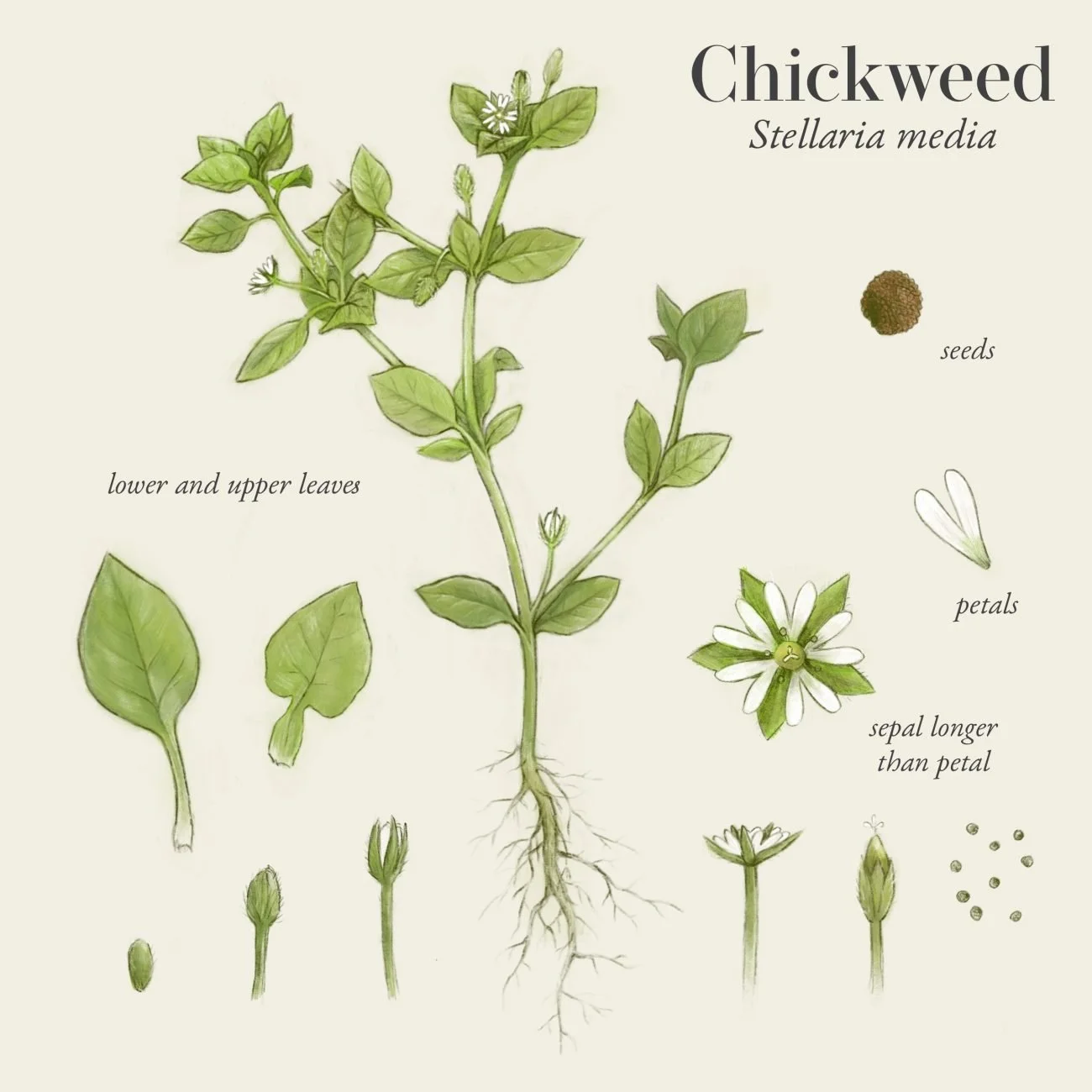
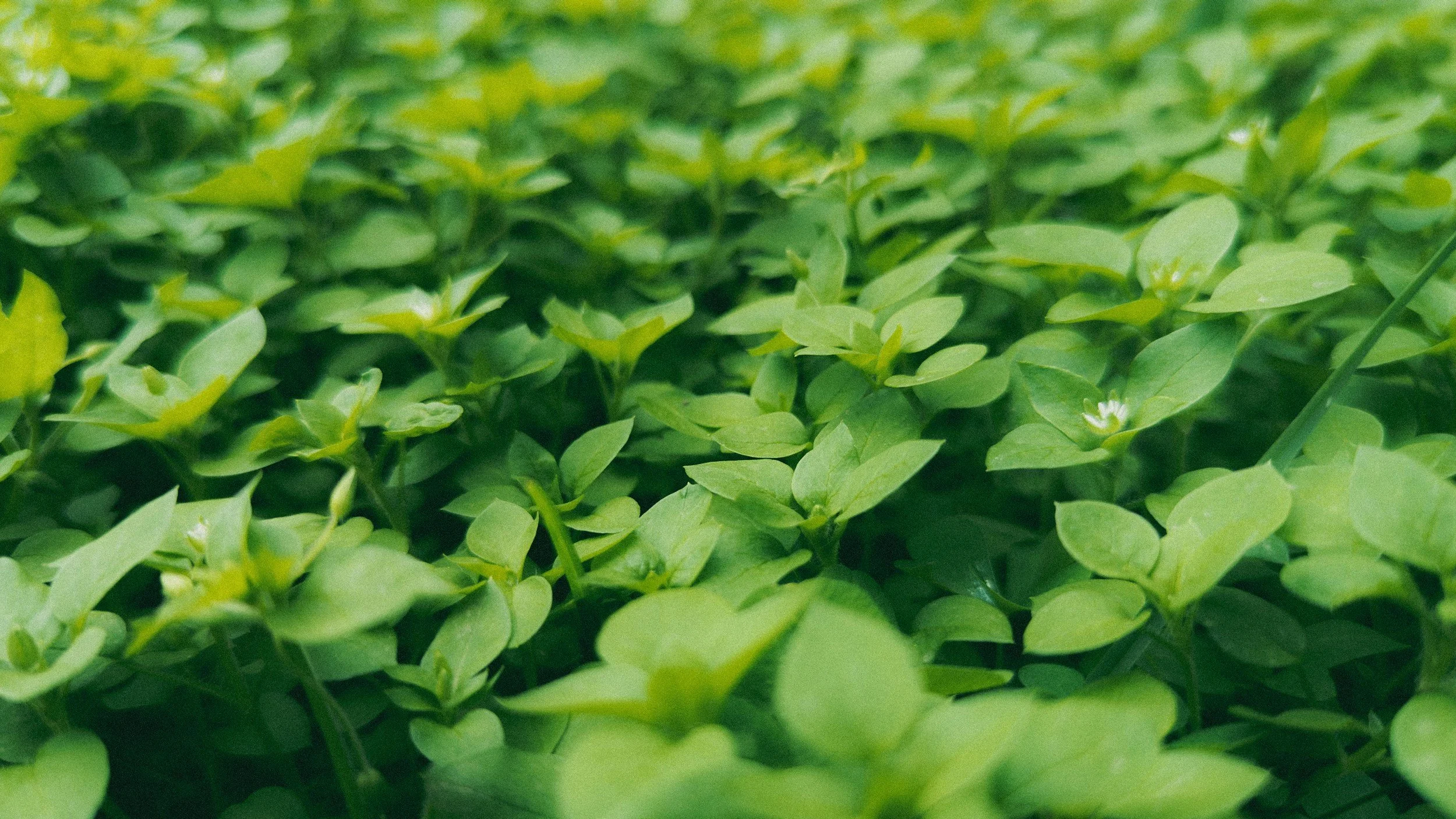
Chickweed is a delicate green herb that often grows quietly in gardens and shaded areas, forming soft mats of small leaves and tiny white star-shaped flowers. While it may appear modest, chickweed has a long history in herbal medicine for its soothing, cooling, and nourishing properties.
Traditionally used both internally and externally, chickweed is especially valued for supporting skin health, digestion, and mild inflammatory conditions.
Botanical Overview
Scientific Name:Stellaria media
Plant Family: Caryophyllaceae
Common Names: Chickweed, Starweed, Winterweed
Chickweed grows in temperate regions around the world and thrives in cool, moist environments such as:
Gardens
Lawns
Forest edges
Shaded pathways
It is often one of the first herbs to appear in early spring and may continue growing through cooler seasons. The stems and leaves are the parts most commonly harvested, typically gathered while the plant is actively growing and tender.
Traditional Herbal Uses
For centuries, herbalists have used chickweed as a cooling and soothing herb that supports both internal and external healing.
Skin Soothing and Irritation Relief
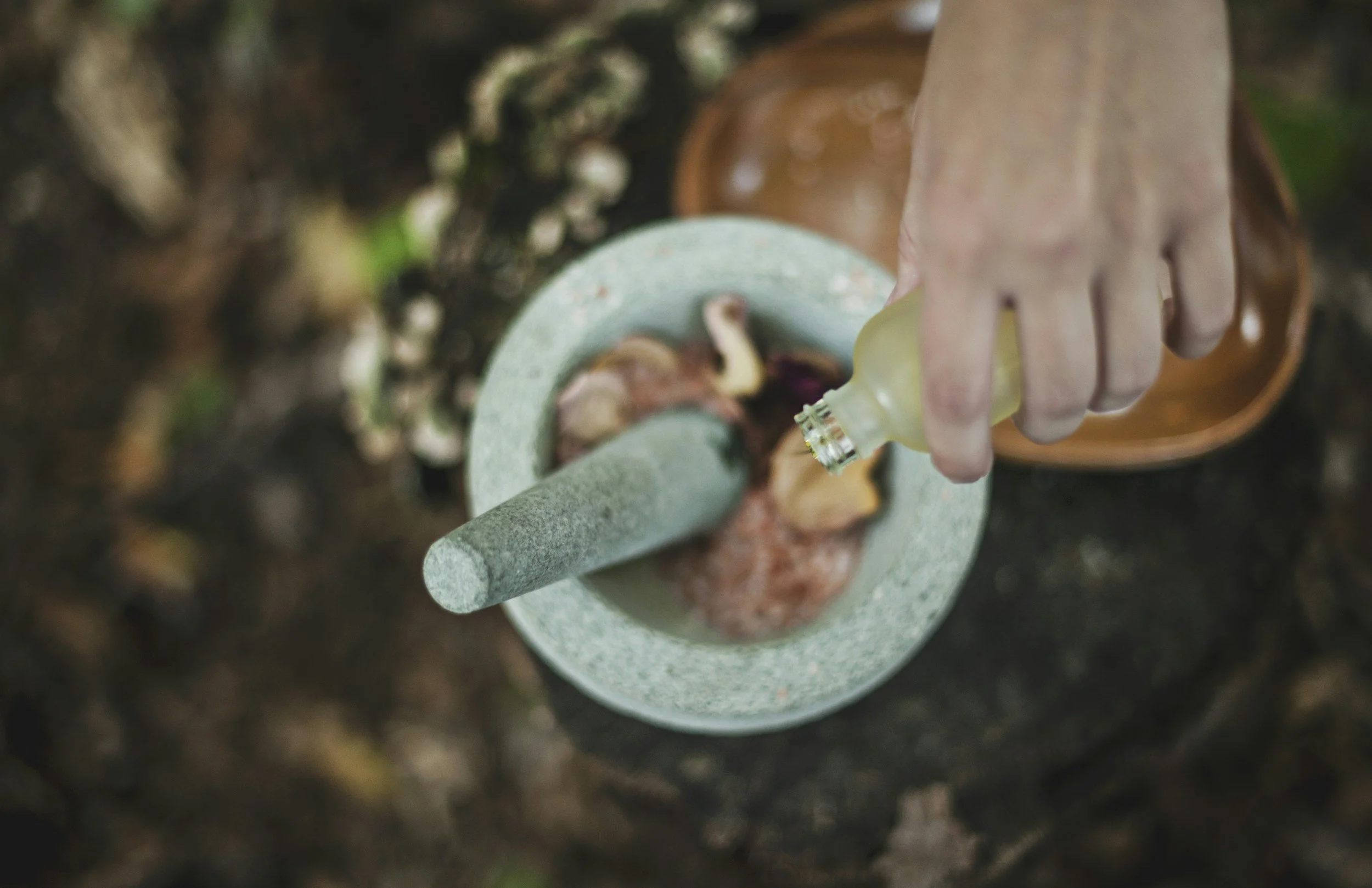
One of chickweed’s most well-known uses is for calming irritated skin. When applied topically as a poultice, salve, or infused oil, chickweed has traditionally been used to help soothe:
Itchy skin
Minor rashes
Insect bites
Dry or inflamed skin
Mild eczema or dermatitis
Its cooling and moistening qualities help calm irritated tissues and provide gentle comfort.
Digestive Support
Chickweed is also used internally to support digestive health. The herb may help soothe the digestive tract and provide mild support for:
Occasional digestive discomfort
Mild inflammation in the gut
Gentle detoxification
Because it is mild and nourishing, chickweed is often considered a gentle digestive ally.
Anti-Inflammatory Support
Chickweed contains naturally occurring plant compounds that may provide mild anti-inflammatory effects. Herbalists sometimes include it in blends designed to calm systemic irritation or support overall tissue health.
Nutritional Benefits
Chickweed is surprisingly nutritious for such a small plant. It contains:
Vitamin C
Vitamin A
Iron
Calcium
Magnesium
Plant antioxidants
Fresh chickweed has historically even been used as a wild edible green, added to salads, soups, or pestos.
Energetic and Holistic Properties
In traditional herbal energetics, chickweed is considered:
Cooling – helping calm heat or irritation in the body
Calming – soothing inflamed tissues and discomfort
Nourishing – gently providing nutrients and moisture
Because of these qualities, chickweed is often used in formulas designed to cool inflammation and support skin health.
Ways to Use Chickweed
Chickweed can be used in several different forms depending on the desired benefit:
Fresh Poultice
Crushed fresh chickweed can be applied directly to irritated skin to provide soothing relief.
Herbal Tea
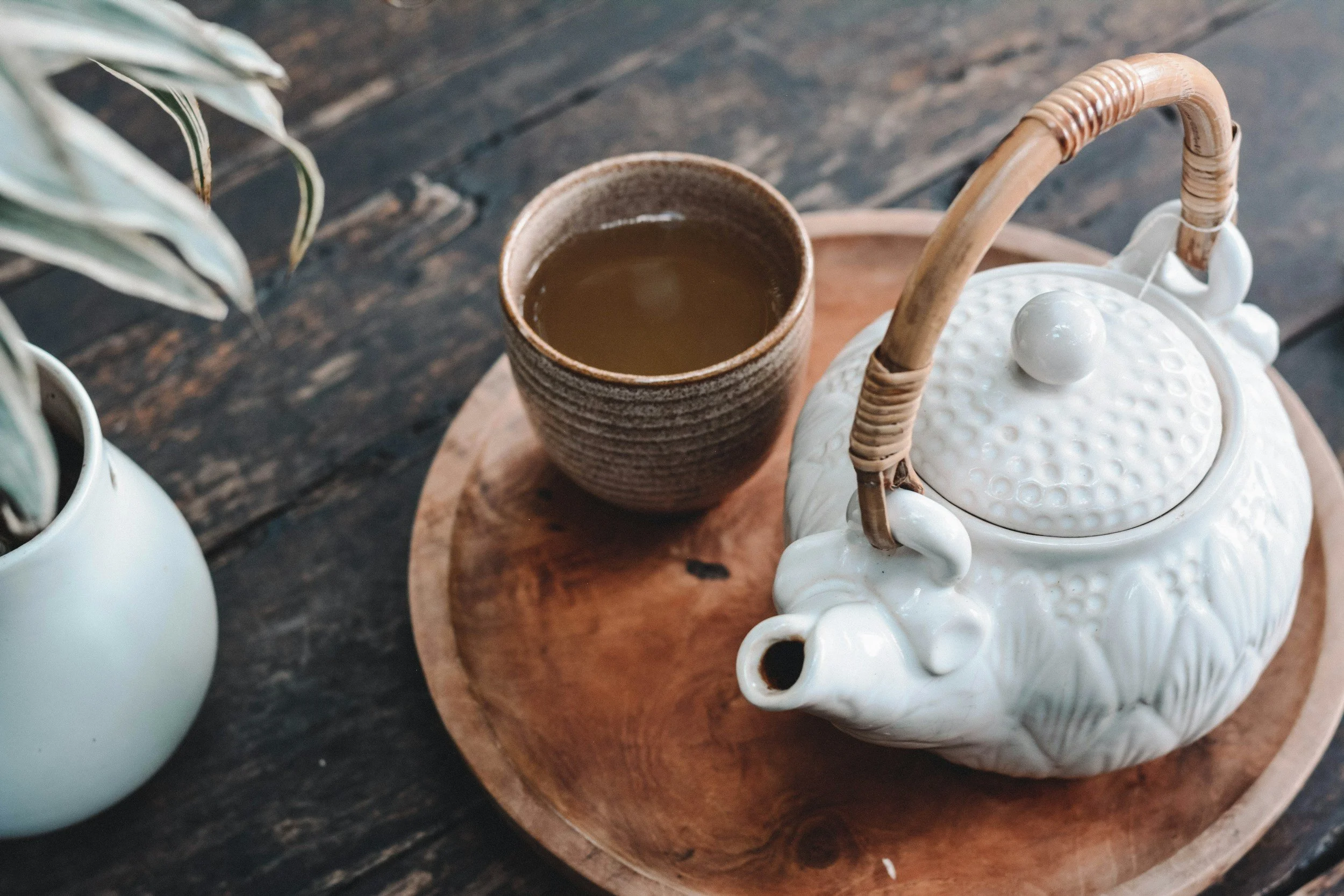
Chickweed tea can be consumed to support digestion and gentle internal cooling.
Infused Oils or Salves
Chickweed-infused oils are commonly used in herbal skincare products. In fact, chickweed is a staple in my salves, especially in our diaper salve, where its soothing and cooling properties help calm and protect delicate skin.
Fresh Culinary Herb
Tender chickweed leaves can be added to salads, smoothies, or soups for extra nutrients.
Foraging Considerations
Chickweed is often easy to find in gardens, lawns, and shaded outdoor spaces, making it a popular herb for wild harvesting. When foraging chickweed, be sure to gather it from areas that have not been treated with pesticides, herbicides, or other chemical sprays.
It is also important to avoid harvesting plants from areas where there may be animal waste contamination, such as heavily trafficked dog areas or livestock pastures. The best places to gather chickweed are clean garden beds, forest edges, or naturally growing patches in untreated soil.
Proper identification and harvesting from clean environments help ensure the herb remains safe, nourishing, and beneficial to use.
Precautions and Safety
Chickweed is generally considered very safe and gentle, especially when used in typical culinary or herbal amounts. However:
Individuals allergic to plants in the Caryophyllaceae family should avoid it
Always ensure plants are properly identified and harvested from clean areas, away from pesticides or roadside contamination
A Quiet but Valuable Herbal Ally
Chickweed may not be as well-known as some other herbs, but its soothing and nourishing qualities have made it a favorite among herbalists for generations. Whether used for calming irritated skin, gently supporting digestion, or as a key ingredient in salves like our diaper salve, this humble plant offers a beautiful example of how nature provides healing in even the smallest forms.