

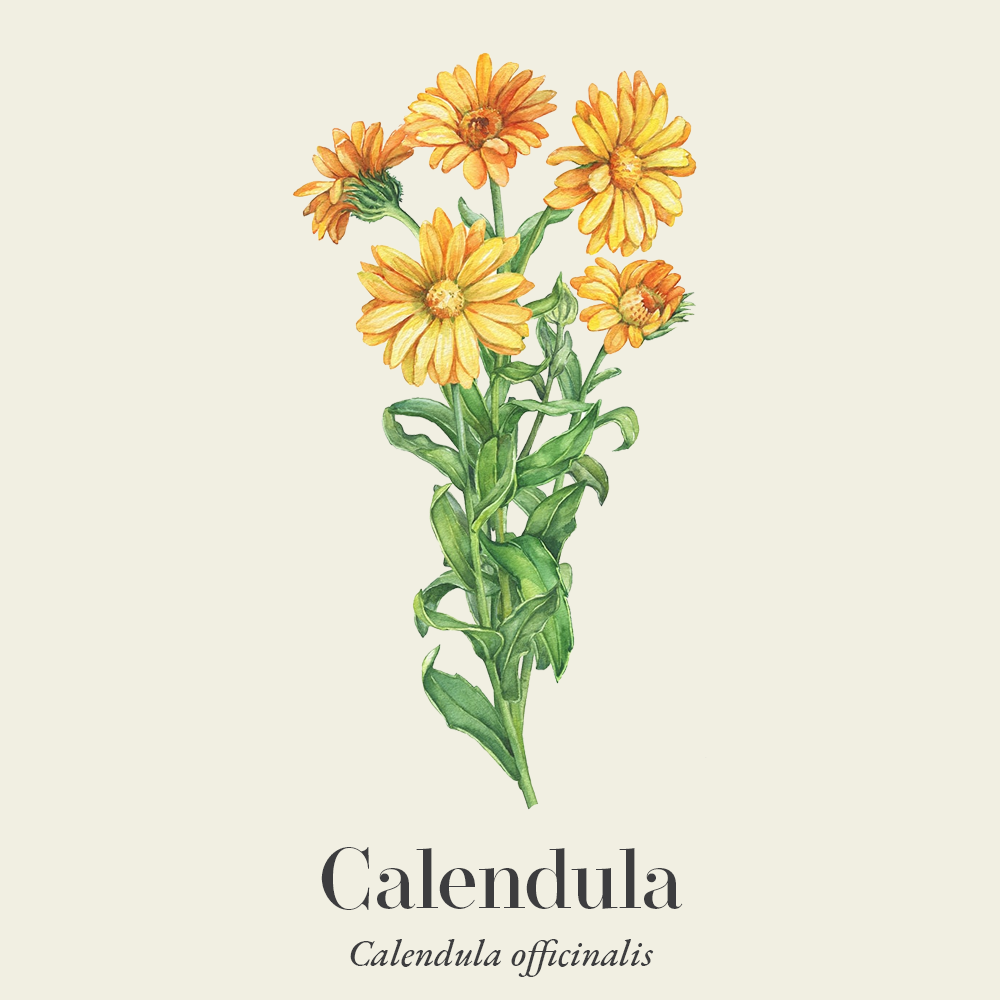
Calendula
Calendula is a bright, cheerful flower traditionally used to support skin healing, digestion, and gentle inflammation relief. Native to the Mediterranean, it grows best in sunny, well-drained soils, with petals harvested during full bloom. Calendula’s gentle, nurturing energy makes it ideal for topical salves, teas, and tinctures.
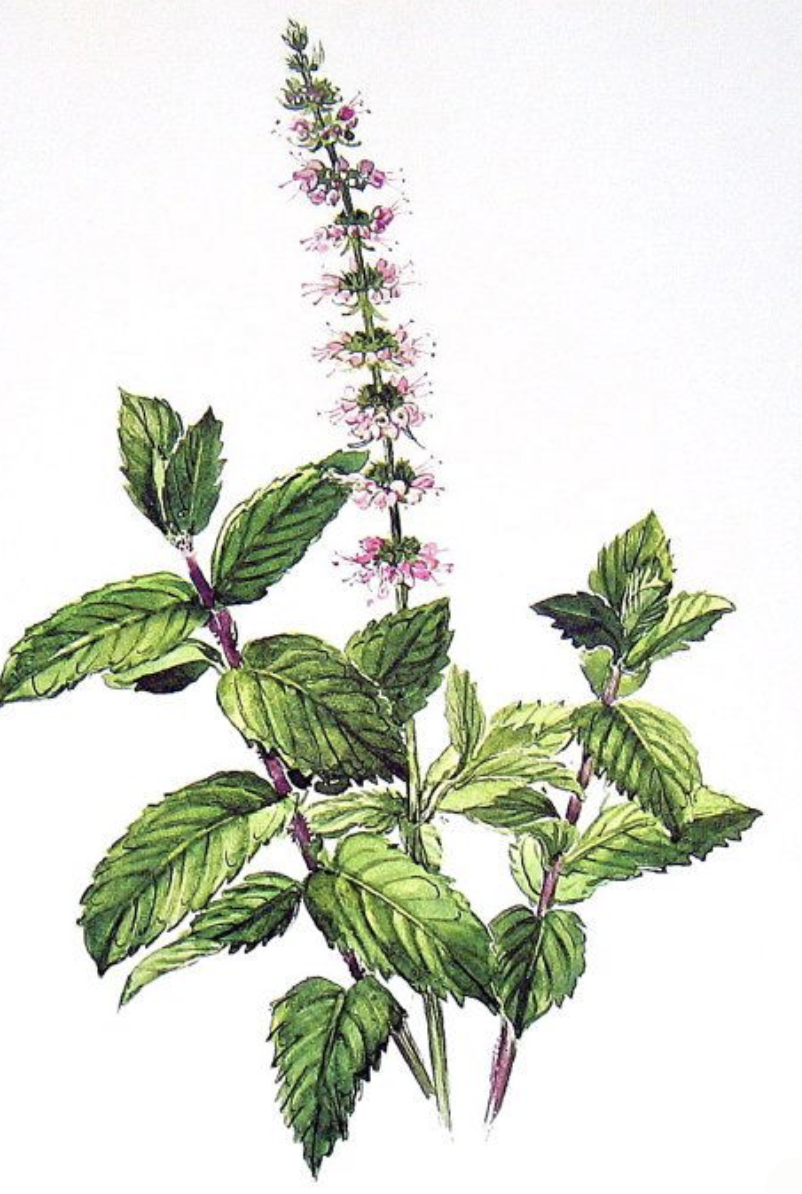
Mint
Mint is one of those herbs that almost everyone knows. That cool, refreshing flavor. That unmistakable aroma. The little sprig that ends up in your iced tea or on top of a dessert. But mint is so much more than a garnish. This incredibly easy-to-grow herb has been used for centuries as a digestive, cooling, soothing, and aromatic medicine—and it happens to be one of the easiest herbs to grow at home. If you have ever planted mint, you also know that it doesn't exactly need much encouragement. Give it a little sunshine, some water, and a place to grow, and it will happily take over the neighborhood. And honestly? I don't mind. I love having an abundance of mint around.
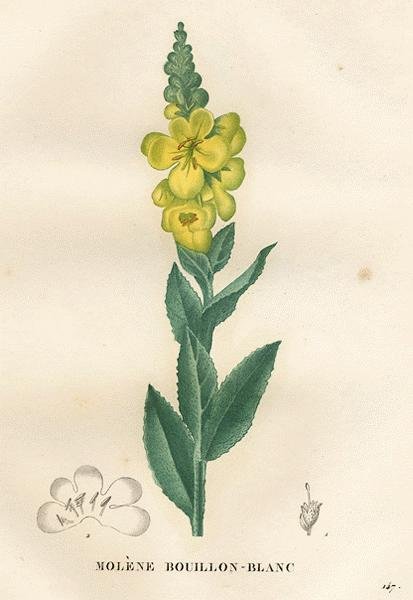
Mullein
There are some herbs that seem to grow exactly where we need them. Mullein is one of those herbs. You may have seen it growing along roadsides, fields, pastures, and disturbed areas. Its tall stalks and soft, fuzzy leaves make it easy to recognize once you know what you're looking for. And while it may look like a simple wild plant, mullein has a long history of traditional use, particularly for supporting the respiratory system.This is one of those herbs I love having on hand in an herbal medicine cabinet, especially during cold and flu season.
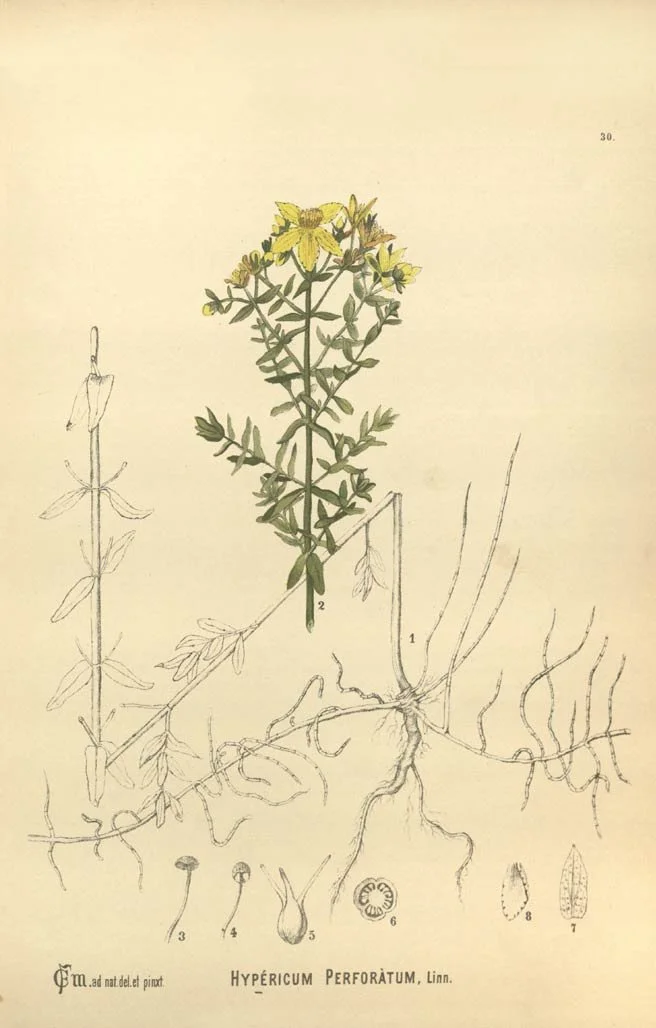
St. John’s Wort
St. John’s Wort is one of the most well-known medicinal herbs in the world, particularly for its traditional use in supporting mood, emotional well-being, and mild stress. It has become especially associated with herbs that help bring a little more light and balance to the body and mind. The flowering tops are traditionally harvested during the summer months, when the plant is in bloom.
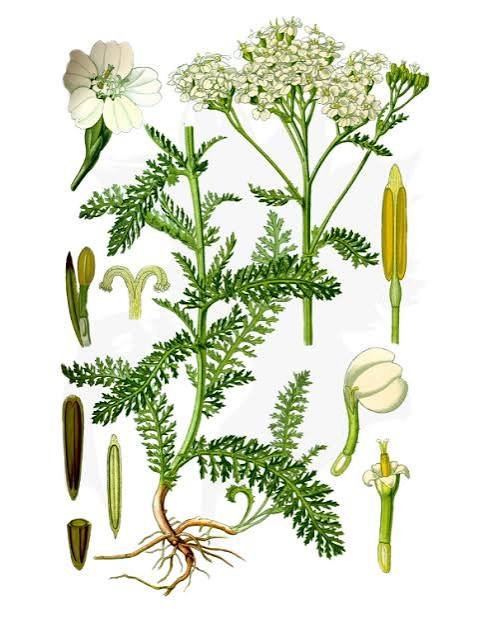
Yarrow
Yarrow (Achillea millefolium) is one of those beautiful, resilient herbs that seems to thrive wherever it is planted — and traditionally, it has been valued for helping the body do the same.
Found growing in sunny meadows, fields, roadsides, and open spaces, yarrow has been used for generations as a supportive herb for circulation, digestion, inflammation, and wound care. Its delicate flowers and feathery leaves may look gentle, but yarrow is considered a powerful and versatile traditional herbal ally.
Yarrow is also known as a particularly protective and balancing herb, making it a wonderful plant to learn about if you're interested in traditional herbalism and using plants to support the body's natural resilience.
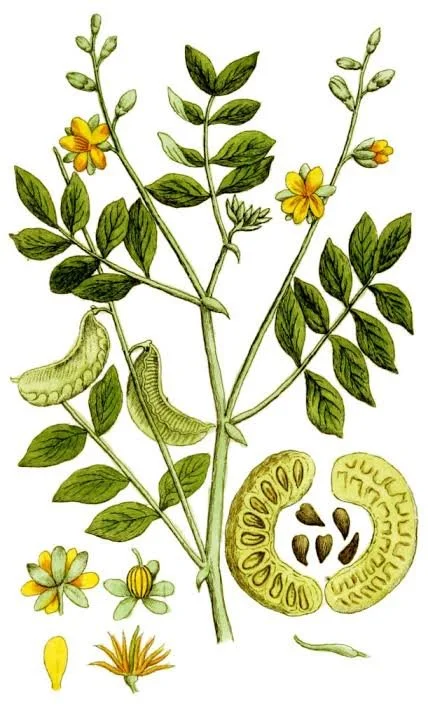
Senna Leaf
If you've ever struggled with occasional constipation, you've probably heard of senna leaf. This time-honored herb has been used for centuries to help get things moving when the bowels need a little extra encouragement. Unlike many herbs that gently nourish and support digestion, senna works by directly stimulating the muscles of the colon, making it one of the most effective natural remedies for occasional constipation.
Because of its potency, senna is best viewed as a short-term rescue herb—not an everyday digestive tonic. When used appropriately, it can be an excellent tool to have in your natural medicine cabinet.
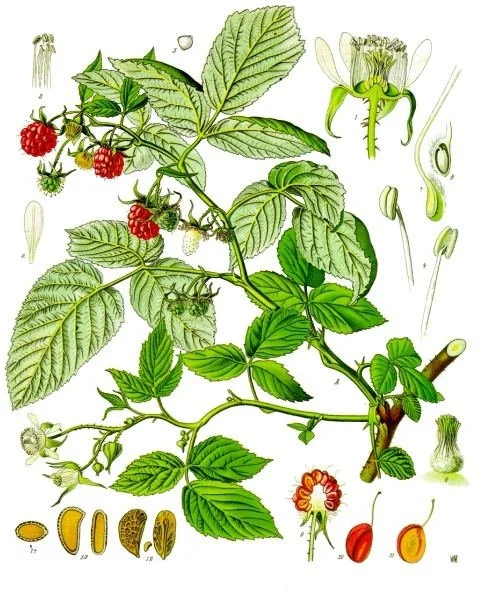
Raspberry Leaf
Raspberry leaf is a deeply nourishing herbal ally that has been used for centuries to support women through all stages of life—from menstrual health to pregnancy and postpartum recovery. While most people associate raspberries with the fruit, it’s actually the leaf of the plant that holds powerful therapeutic benefits.
Often referred to as a “uterine tonic,” raspberry leaf works gently to strengthen and support the reproductive system while also providing a rich source of minerals.
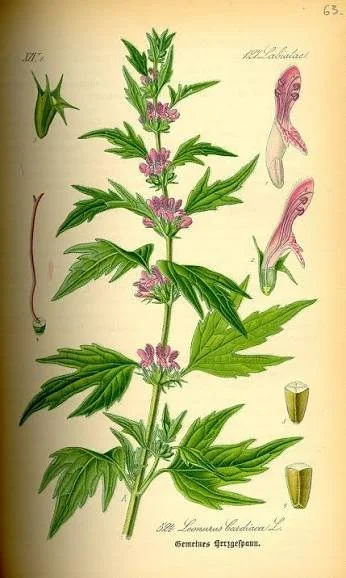
Motherwort
Motherwort is a deeply supportive herb traditionally used to calm the nervous system, support heart health, and gently regulate the female reproductive system. A member of the mint family, this resilient plant has been used for centuries in herbal medicine for its grounding and nurturing qualities—especially during times of stress, hormonal shifts, and emotional overwhelm.
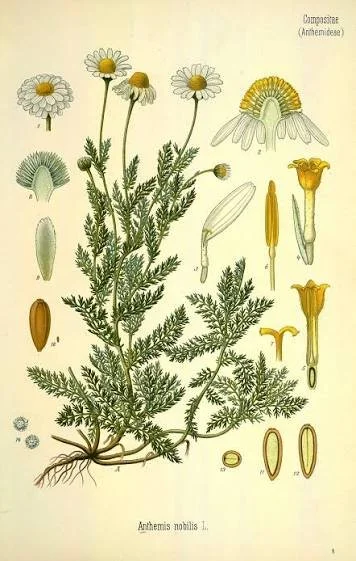
Chamomile
Chamomile is one of the most beloved medicinal herbs in the world, known for its gentle yet powerful ability to calm the body and mind. Often enjoyed as a soothing tea before bed, chamomile has been used for centuries to support relaxation, digestion, skin health, and overall wellness. Its mild nature makes it a favorite for both adults and children when used appropriately.
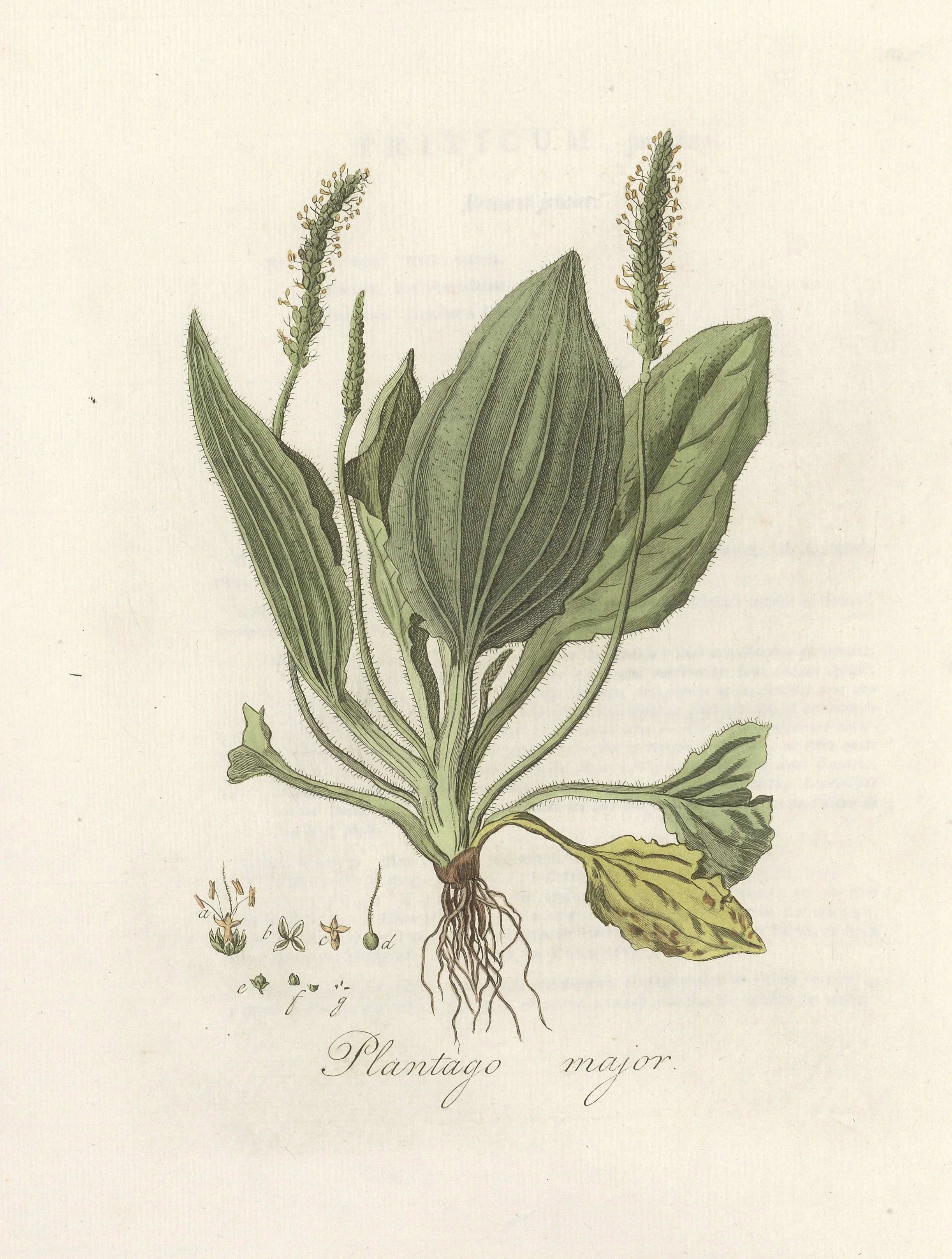
Plantain
Most people walk right past it, pull it as a weed, or barely notice it in the yard.
But plantain is one of those quiet herbal allies that shows up everywhere humans do — paths, lawns, garden edges, even sidewalk cracks — almost like it’s waiting to be needed.
It has earned a reputation in the herbal world as nature’s Band-Aid, and once you get to know it, it’s hard to unsee how useful it really is.
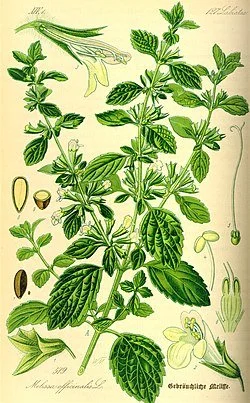
Lemon Balm
Lemon balm is one of those herbs that feels like a deep exhale.
Soft, lemon-scented leaves. A gentle spreading habit in the garden. And a long history of use for calming the nervous system, supporting digestion, and bringing the body back into balance.
It’s the kind of plant herbalists describe as immediately comforting — both in aroma and effect.
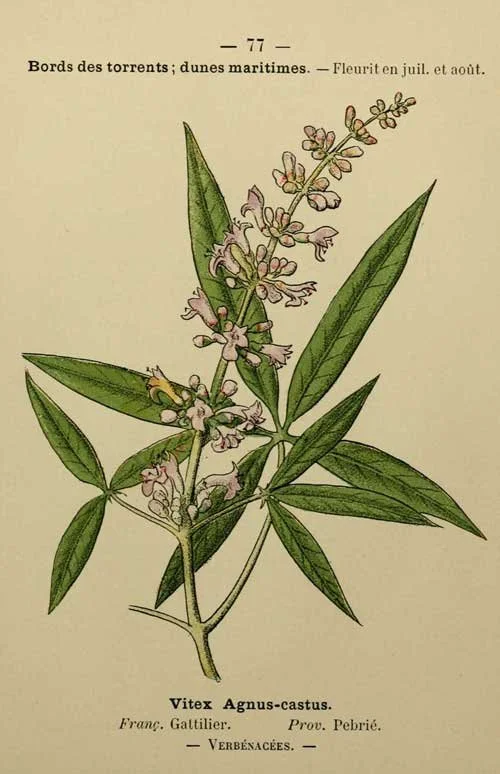
Vitex
Vitex, also known as Chaste Tree Berry, is one of the most well-known and widely used herbs in functional and holistic medicine for supporting female hormone balance. Derived from a small shrub native to the Mediterranean region, Vitex has a long history of traditional use in regulating menstrual cycles and supporting reproductive health.
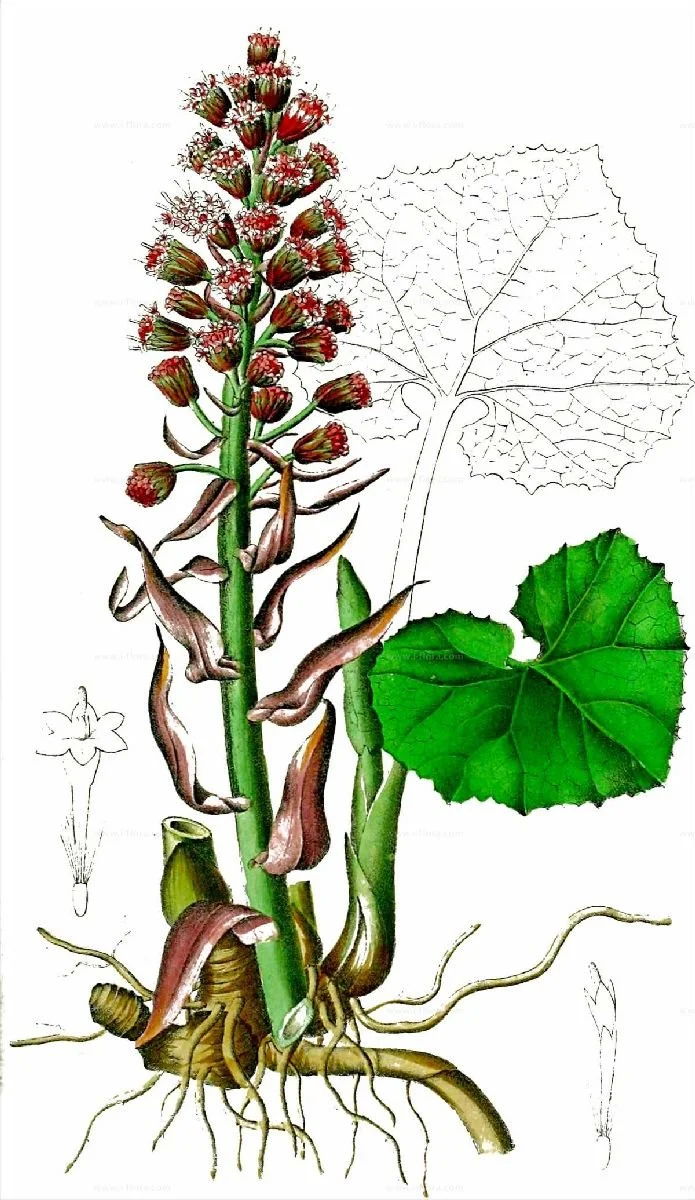
Butterbur
Butterbur is a powerful yet often underutilized herb known for its ability to support respiratory health and reduce the frequency of migraines. With a long history of traditional use, this robust perennial has become especially valued in modern herbalism for its role in seasonal allergy relief. When properly prepared, butterbur offers gentle, effective support for those dealing with inflammation-driven conditions.
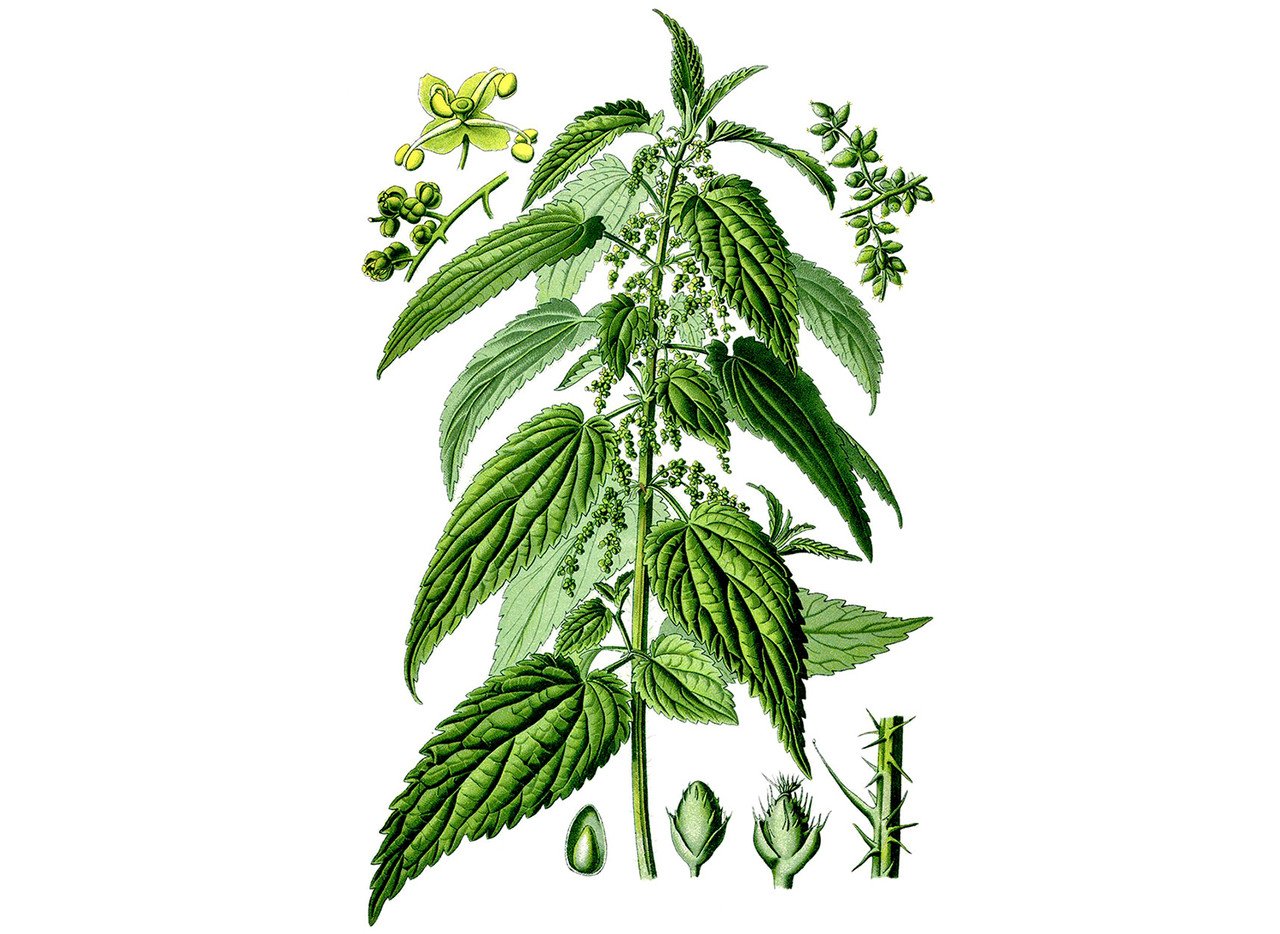
Nettle
Nettle is one of those plants that feels both humble and deeply powerful. Often dismissed as a pesky weed because of its sting, it has actually been used for centuries as a restorative, nutrient-dense herbal ally. When harvested at the right time, nettle becomes one of the most supportive plants for rebuilding, nourishing, and gently cleansing the body, making it especially relevant during allergy season.
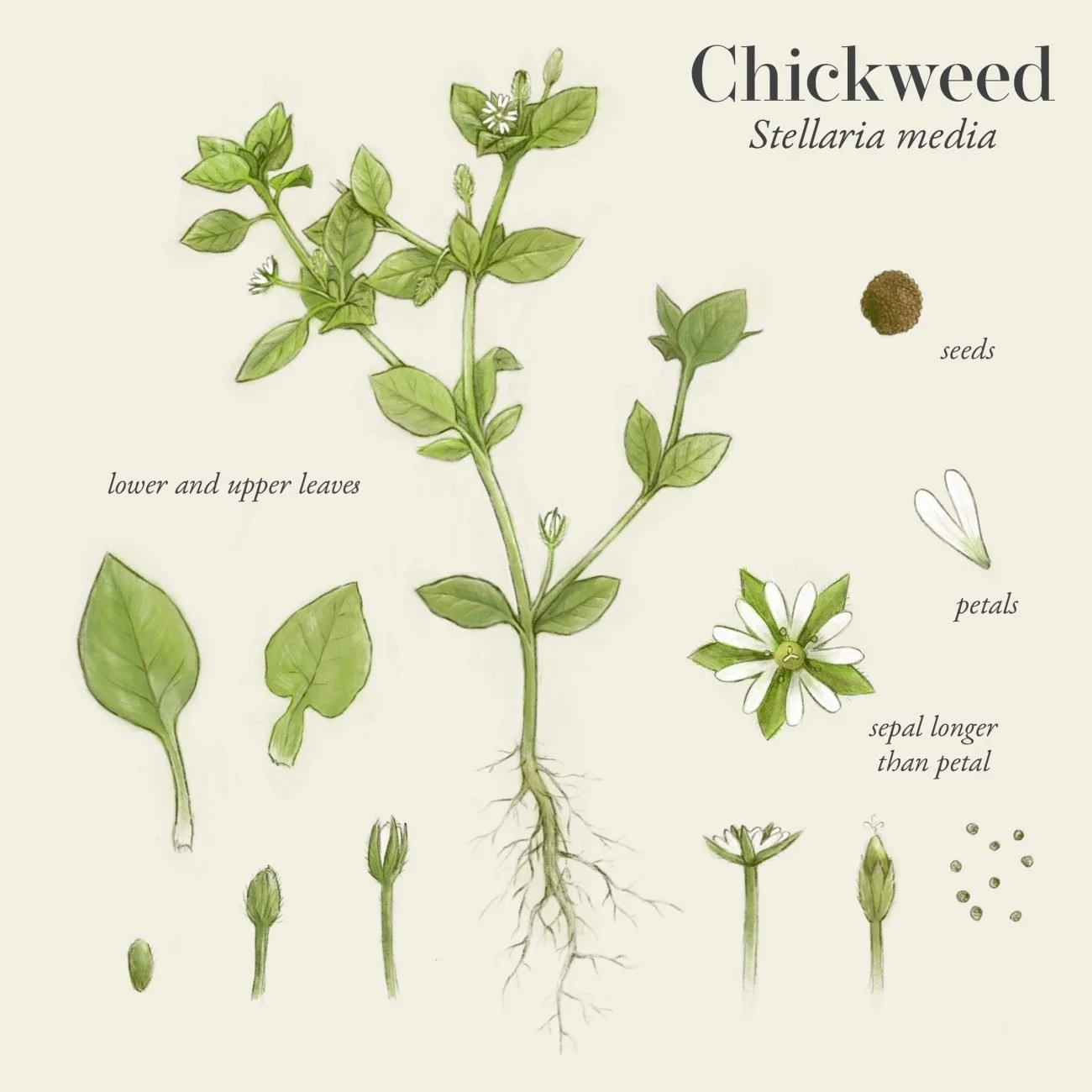
Chickweed
Chickweed is a delicate green herb that often grows quietly in gardens and shaded areas, forming soft mats of small leaves and tiny white star-shaped flowers. While it may appear modest, chickweed has a long history in herbal medicine for its soothing, cooling, and nourishing properties.
Traditionally used both internally and externally, chickweed is especially valued for supporting skin health, digestion, and mild inflammatory conditions.
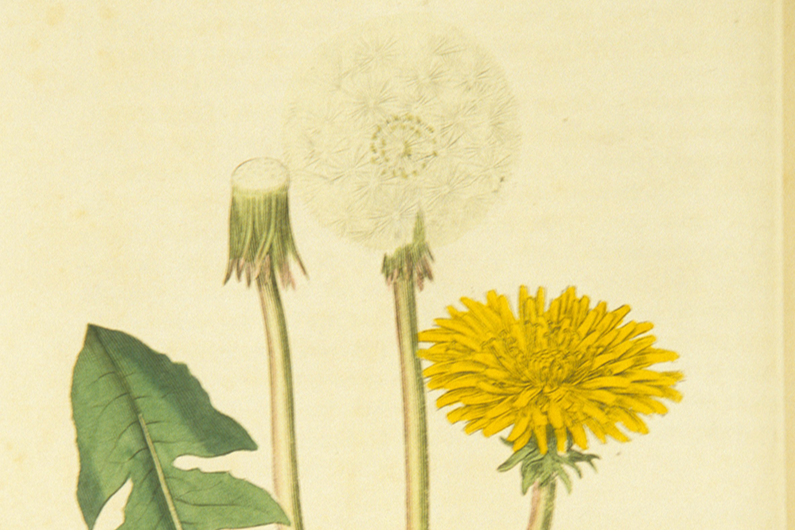
Dandelion
A Powerful Yet Gentle Herb for Liver, Digestion, and Whole-Body Wellness. Dandelion is one of the most recognizable plants in the world, often dismissed as a common weed. Yet this bright yellow flower has been valued for centuries in traditional herbal medicine for its ability to support the body’s natural detoxification systems, particularly the liver, kidneys, and digestive tract.
Every part of the dandelion plant—roots, leaves, and flowers—offers unique health benefits. Herbalists have long used this resilient plant as a nourishing tonic that gently supports the body’s ability to cleanse, digest, and maintain balance.
Rhodiola
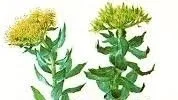
There’s a difference between stimulation and resilience. Stimulants push your body to produce more. Adaptogens help your body respond better. Rhodiola is one of the most powerful adaptogens for modern stress, especially when burnout, brain fog, and hormonal disruption are involved.
Hawthorn
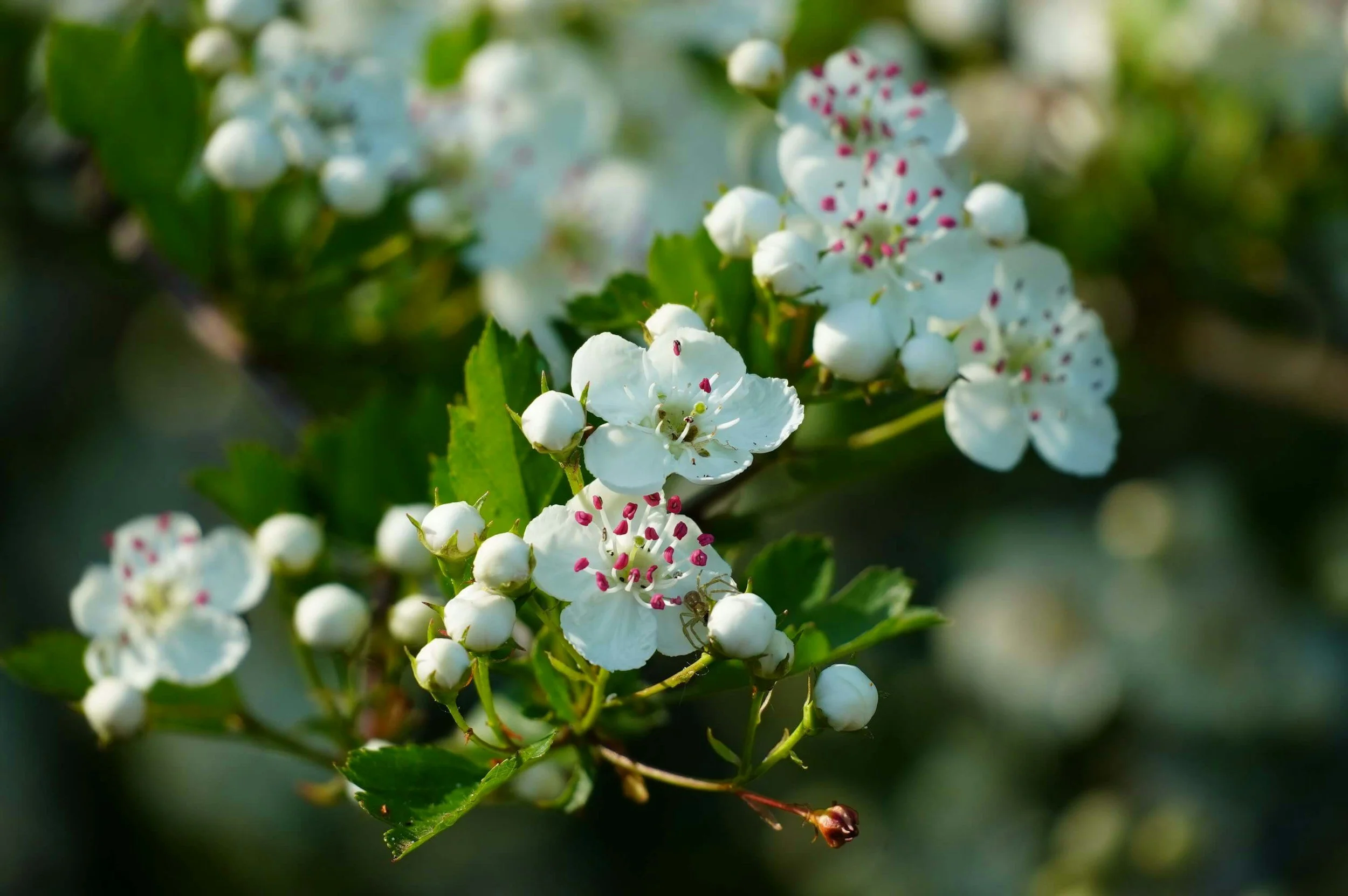
Some herbs push. Some stimulate. Some sedate.
And some, like hawthorn, strengthen quietly over time.
Hawthorn isn’t dramatic. It doesn’t force change. It doesn’t override the body. It supports. It tones. It stabilizes.
And in a world of overstimulation and chronic stress, that kind of support matters.
Tulsi (Holy Basil)
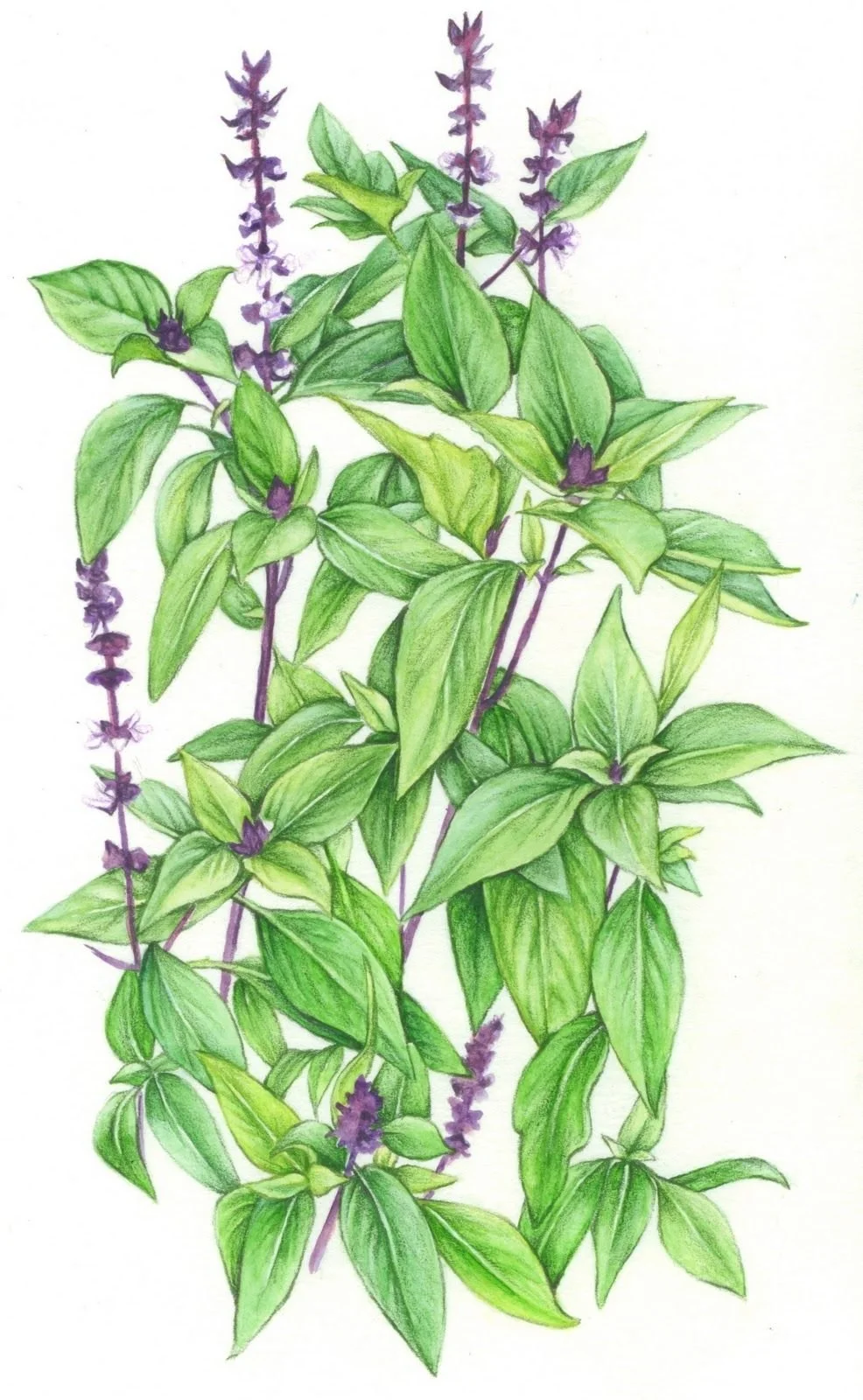
Tulsi, also known as Holy Basil, holds a unique place in herbal medicine, not just as a healing plant, but as a sacred ally. Revered for thousands of years in Ayurvedic tradition, tulsi is often grown near homes and temples in India, where it is honored for its ability to support the body, calm the mind, and uplift the spirit.
sage
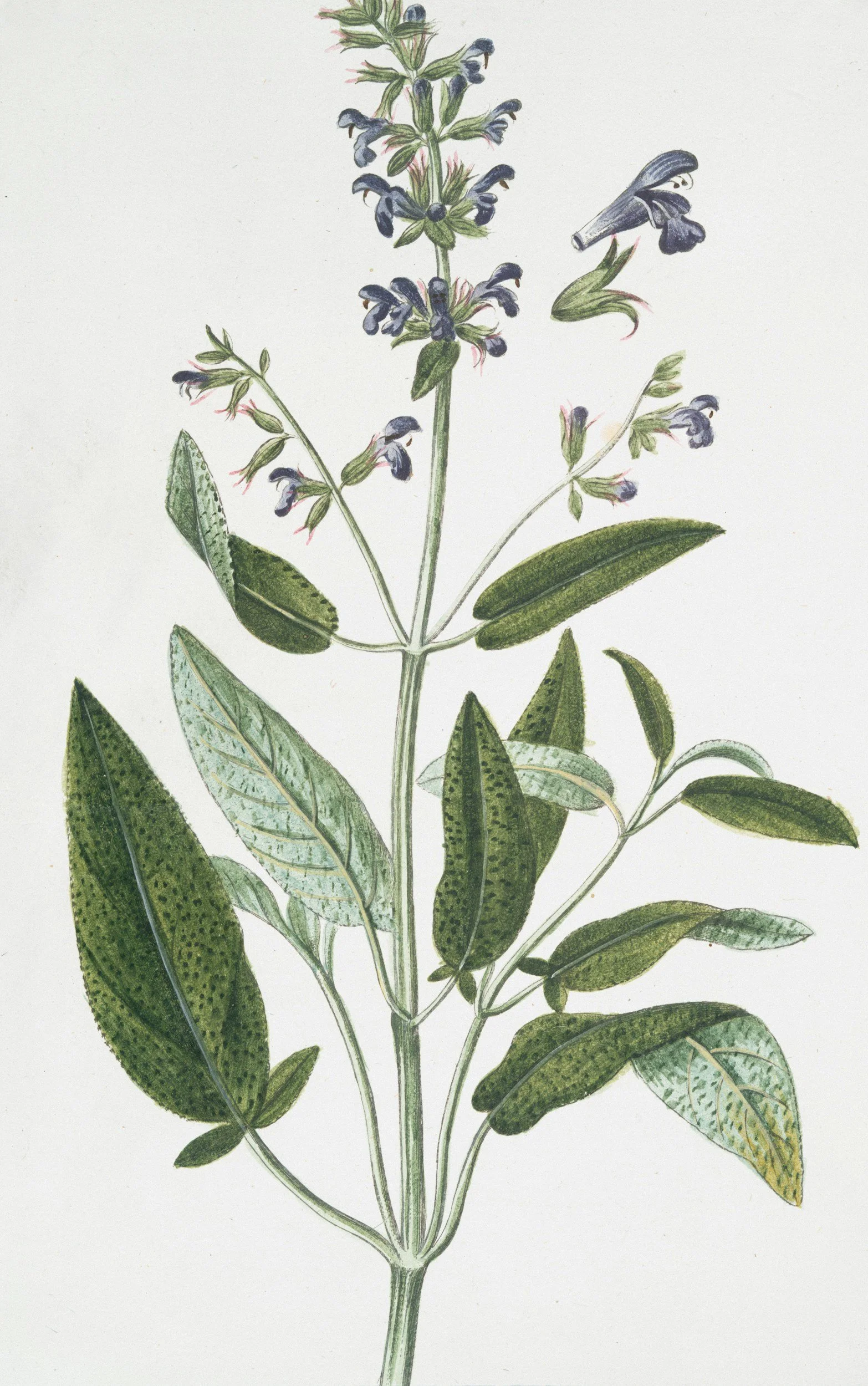
Sage is one of those herbs that feels both deeply ancient and incredibly practical. With its soft, silvery-green leaves and unmistakable earthy aroma, sage has been valued for centuries not only as a culinary staple but also as a powerful ally for cleansing, clarity, and support of the digestive and respiratory systems.