

Elderberry
Nature’s Immune-Supporting Superberry
As the days grow shorter and cooler, nature offers us powerful allies to help strengthen and support our immune systems. One of the most beloved among them is elderberry — a small, dark purple berry packed with antioxidants, gentle warmth, and centuries of traditional use.
A Time-Honored Herbal Ally
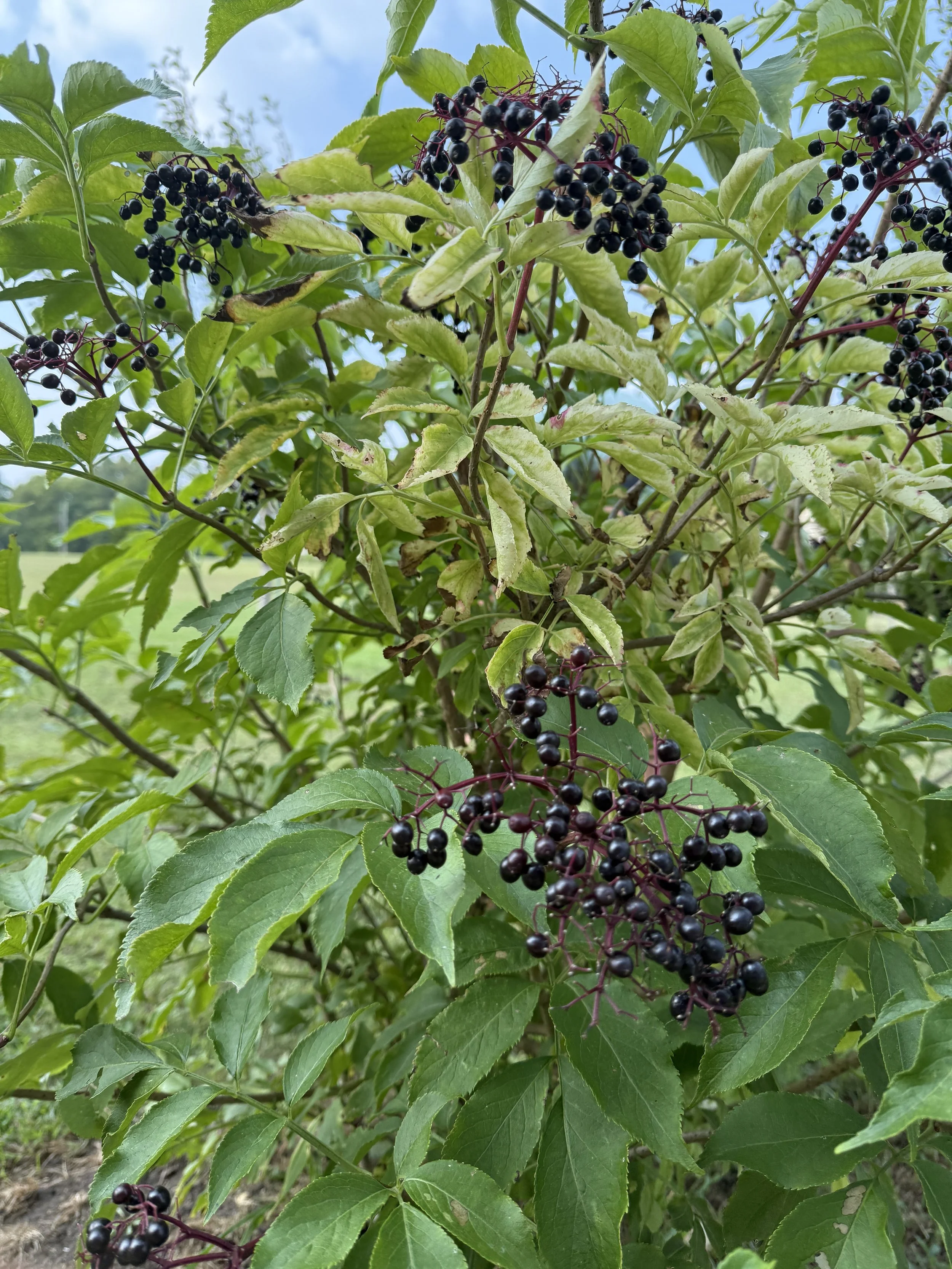
Elderberry (Sambucus nigra) has been cherished in traditional herbal medicine across Europe and North America for generations. The elder shrub is often found growing along creeks, rivers, and woodland edges — places where moisture and shade create the perfect environment for its growth. In regions like West Virginia, elderberry thrives in nutrient-rich, well-drained soil, producing clusters of white blossoms in the spring that later give way to deep purple berries in late summer or early fall.
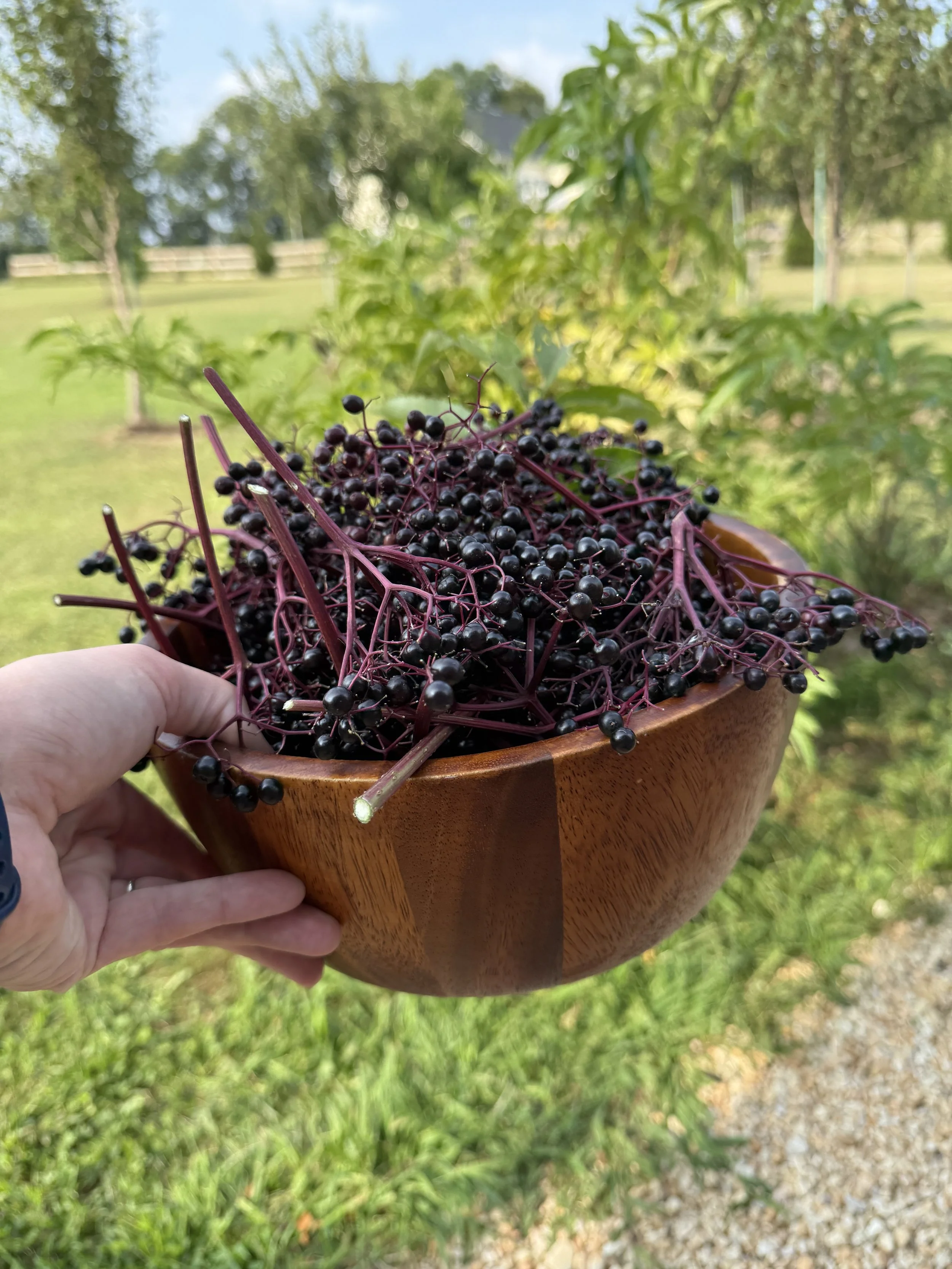
Elderberry is a small, dark purple berry celebrated for its immune-supporting properties. Traditionally harvested from wild or cultivated shrubs in Europe and North America, both the berries and flowers are used in teas, syrups, and tinctures. Elderberry’s gentle, warming energy makes it a favorite for holistic wellness, especially during the cooler months.
Benefits and Modern Research
Modern science now echoes much of what herbal traditions have long known. Elderberries are rich in antioxidants, particularly anthocyanins, which help protect the body from oxidative stress. They also contain vitamin C and beneficial flavonoids that may support the immune system and shorten the duration of common colds and flu-like symptoms.
Some research suggests that elderberry extract may help reduce the severity and duration of upper respiratory infections when taken at the first sign of illness. Beyond its immune benefits, elderberry’s natural sweetness and warming energy make it a comforting addition to seasonal wellness routines.
Energetic and Holistic Qualities
For centuries, both the berries and flowers of the elder plant have been used to make teas, tinctures, and syrups. Folk healers often turned to elderberry during the colder months, valuing its ability to support the respiratory system and ease mild colds.
From a holistic perspective, elderberry carries a gentle, warming, and nourishing energy. It’s often considered a balancing herb — one that supports the body’s natural defenses without overstimulating. Many herbalists view elderberry as an herb of protection and resilience, helping the body and spirit stay strong through seasonal transitions.
How to Use Elderberry
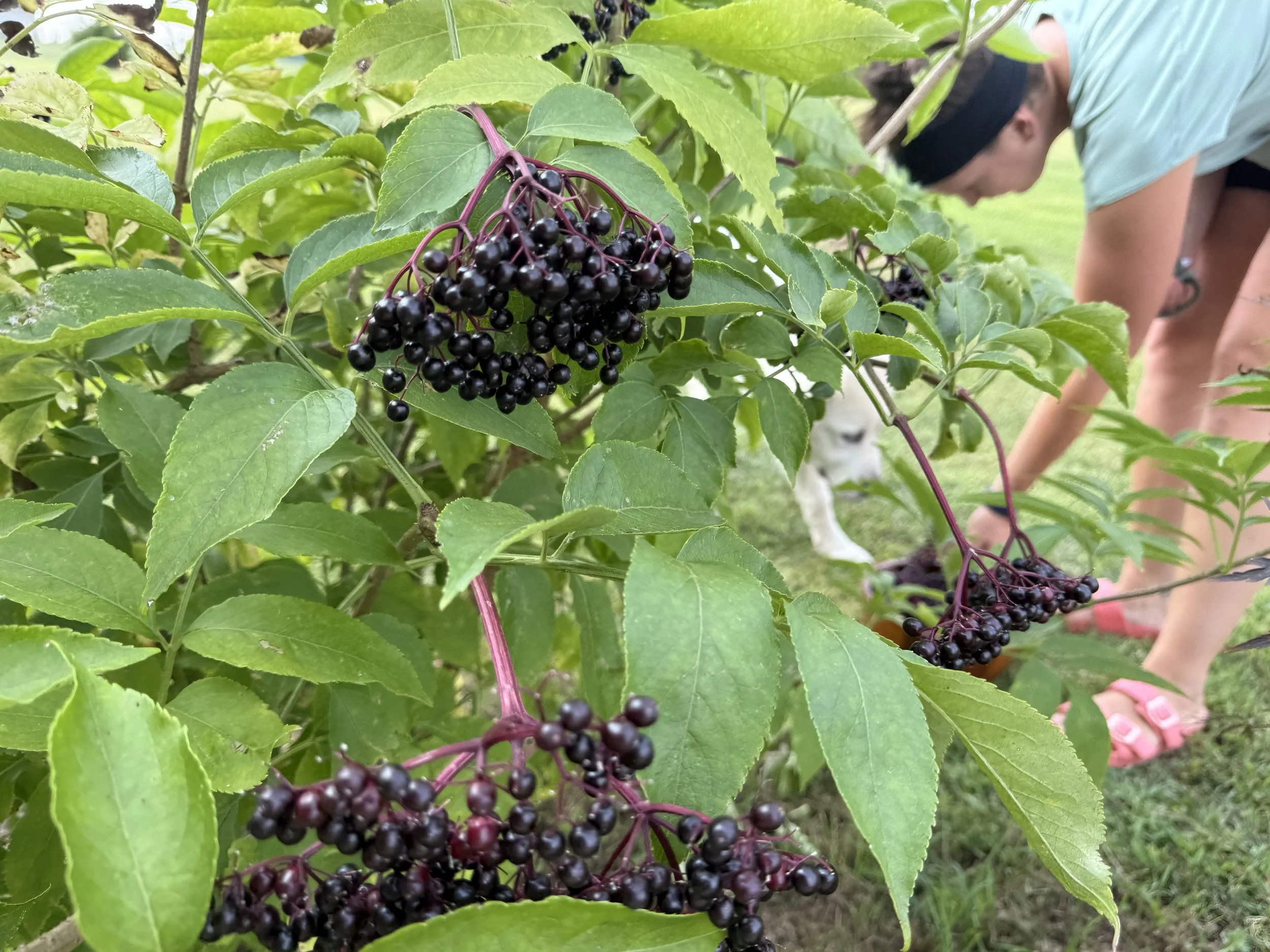
Elderberries are most commonly enjoyed as:
Elderberry syrup: A delicious, kid-friendly way to support immune health daily or at the onset of illness.
Tea or infusion: Combining elderberry with herbs like echinacea, ginger, or cinnamon creates a comforting cold-weather tonic.
Tincture or glycerite: A concentrated, convenient form often used preventively during cold and flu season.
Precautions / Safety Notes: While elderberry is a gentle and supportive herb, it’s important to note that raw berries, leaves, and stems contain compounds that can be toxic if not properly prepared. Always use cooked, dried, or professionally prepared elderberry products. Avoid use if you have known allergies to elder plants.
Elderberry offers a beautiful example of how nature provides what we need, right when we need it most. As autumn settles in, consider inviting elderberry into your wellness routine — not only for its immune benefits but also for the sense of warmth and connection it brings to the season.