

Tulsi (Holy Basil)
A Sacred Herb for Stress, Immunity & Balance
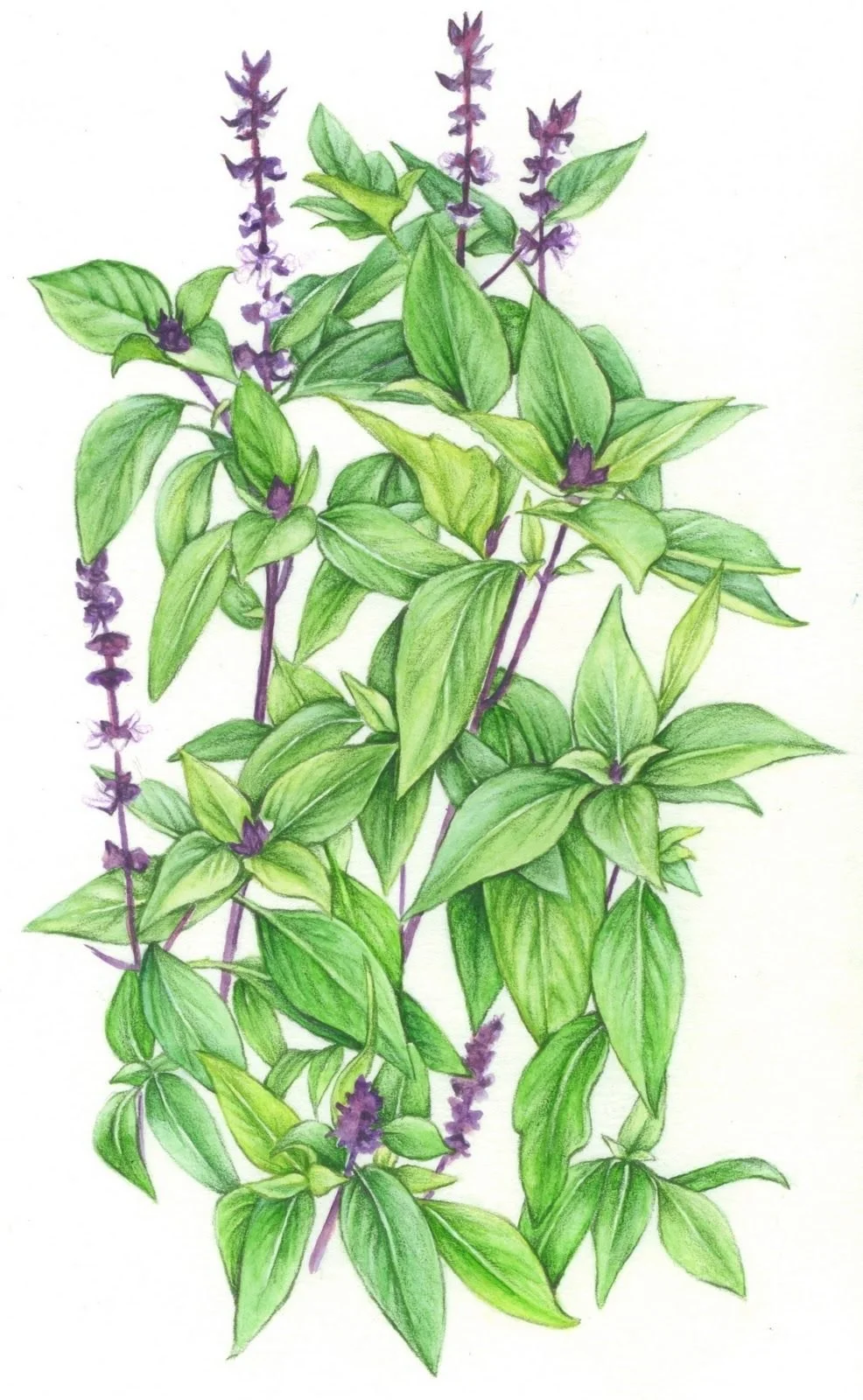
Tulsi, also known as Holy Basil, holds a unique place in herbal medicine, not just as a healing plant, but as a sacred ally. Revered for thousands of years in Ayurvedic tradition, tulsi is often grown near homes and temples in India, where it is honored for its ability to support the body, calm the mind, and uplift the spirit.
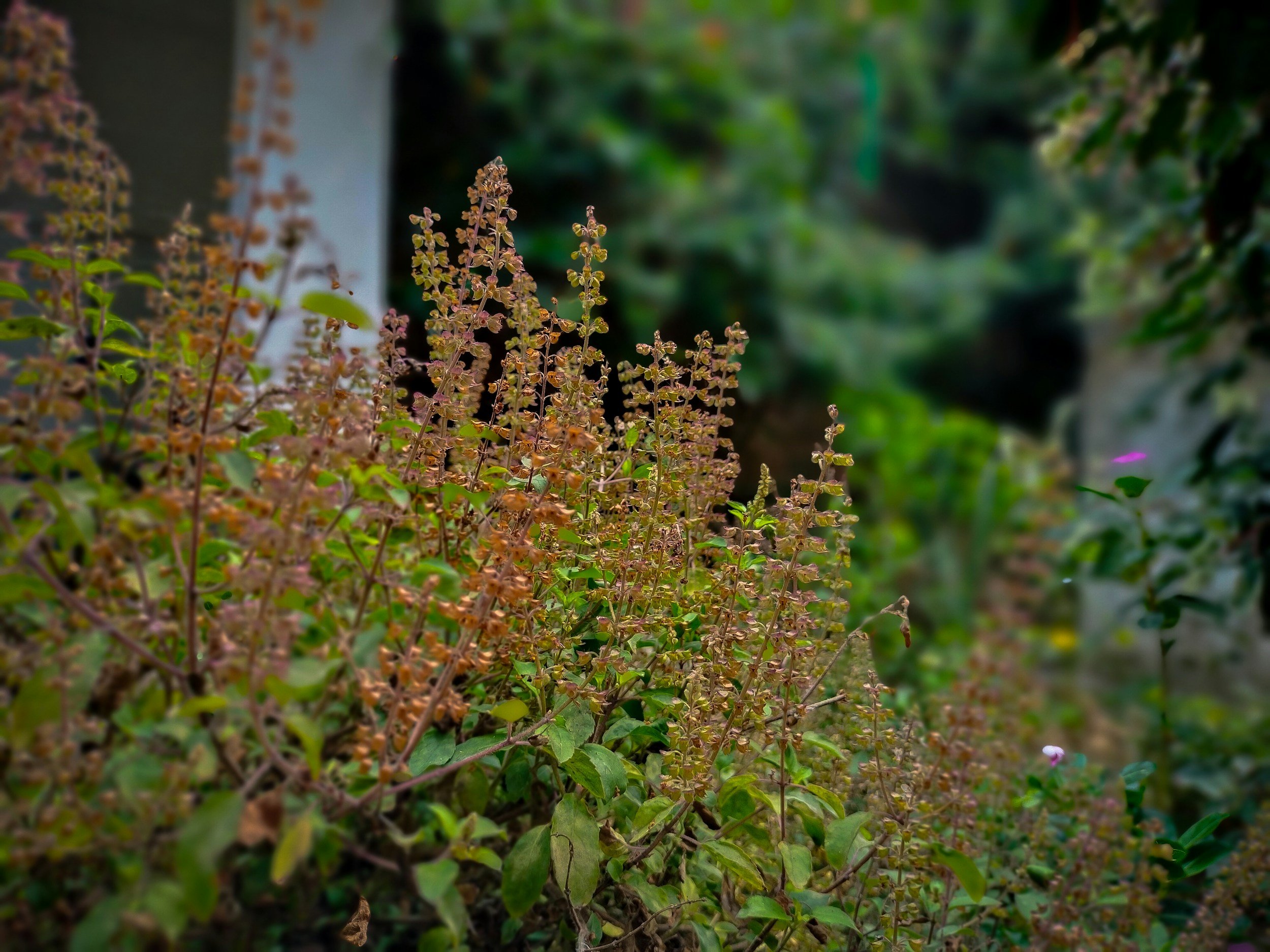
A fragrant, leafy plant that thrives in warm, sunny environments, tulsi is harvested primarily for its leaves, which are rich in protective compounds. While modern herbalism often highlights tulsi for its adaptogenic and immune-supporting properties, its traditional use goes far beyond physical health. Tulsi has long been considered a plant that helps bring the body back into balance during times of stress, illness, or emotional strain.
Traditional & Holistic Uses
Tulsi has been traditionally used to support:
Stress resilience and adrenal balance
Immune system function
Respiratory health, especially during seasonal challenges
Healthy inflammatory response
Mental clarity and emotional steadiness
As an adaptogen, tulsi helps the body respond more gracefully to stress, rather than overstimulating or sedating. This makes it particularly useful for individuals who feel run down, wired-but-tired, or chronically stressed. Its respiratory benefits also make it a favorite during cold and flu season, especially when stress and immune function are closely linked.
Energetics & Herbal Personality
Energetically, tulsi is:
Calming yet uplifting
Warming and drying
Grounding without being heavy
Many people describe tulsi as having a quietly centering effect — it soothes the nervous system while gently sharpening focus. In holistic practice, it’s often chosen when someone feels scattered, depleted, or emotionally unmoored.
How Tulsi Is Commonly Used
Tulsi is incredibly versatile and gentle, making it well-suited for daily use.
Common forms include:
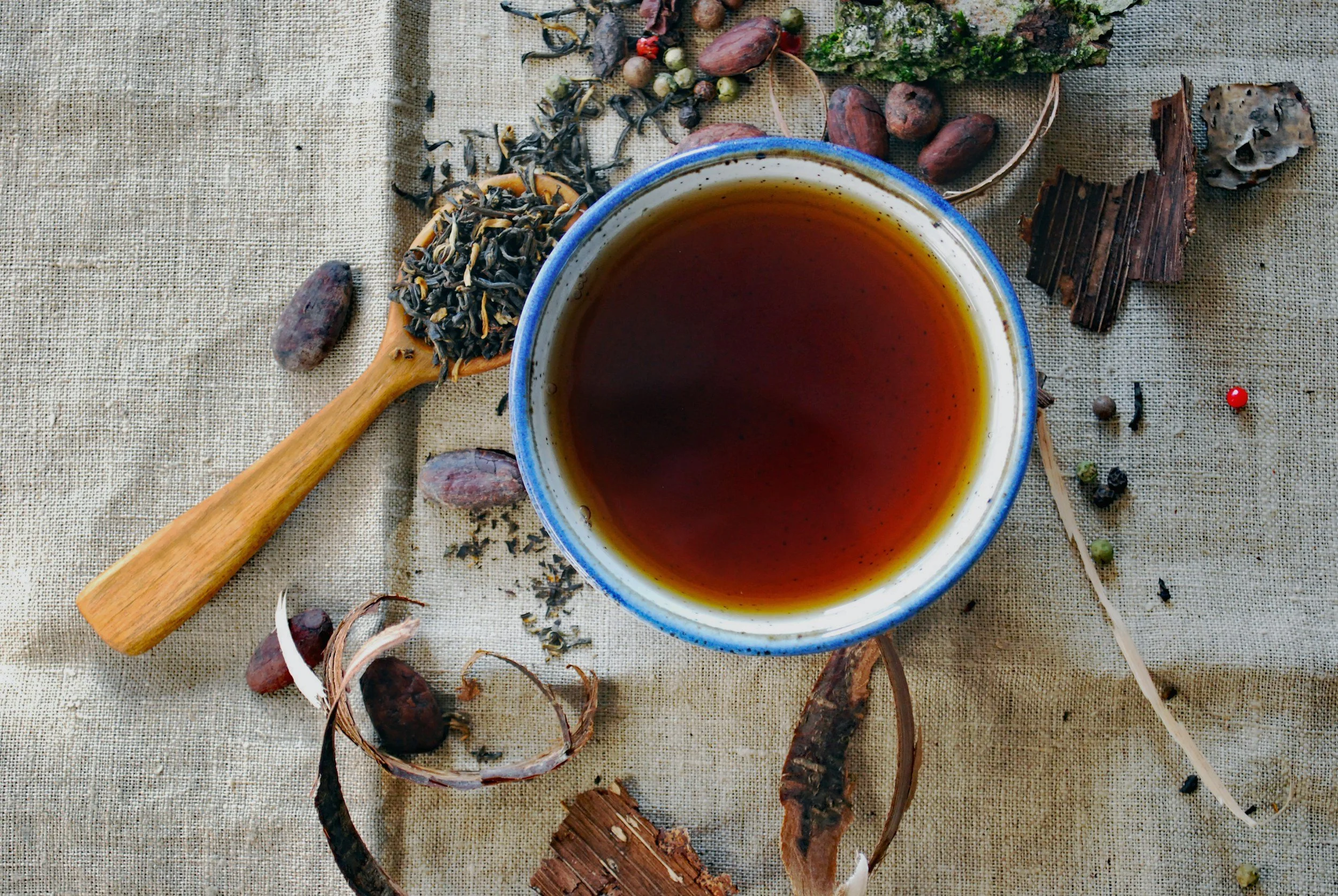
Tea – one of the most traditional and accessible ways to use tulsi
Tincture – for concentrated adaptogenic support
Capsules – convenient for consistent dosing
Tulsi pairs beautifully with other herbs like ashwagandha, licorice, elderberry, or ginger, depending on whether the primary goal is stress support, immune resilience, or respiratory wellness.
Herbal Snapshot
Scientific Name: Ocimum sanctum (also Ocimum tenuiflorum)
Where It Grows / Harvested From: Native to India; grows best in warm, sunny areas. Leaves are harvested throughout the growing season
Uses / Benefits: Adaptogenic stress support, immune support, respiratory wellness, inflammation modulation
Energetic / Holistic Properties: Calming, balancing, grounding, gently uplifting
Precautions / Safety Notes: Generally very safe for most individuals. Use caution during pregnancy and in those taking blood-thinning or anti-diabetic medications. Long-term use at high doses should be guided by a healthcare provider.

A Gentle Closing Thought
Tulsi is often called the “Queen of Herbs,” and for good reason. It supports the body in times of stress, strengthens immune resilience, and offers a sense of calm that feels both grounding and quietly restorative. Whether sipped as a daily tea or taken more intentionally during demanding seasons of life, tulsi reminds us that healing doesn’t always need to be forceful — sometimes it’s about returning to balance.