

sage
Sage is one of those herbs that feels both deeply ancient and incredibly practical. With its soft, silvery-green leaves and unmistakable earthy aroma, sage has been valued for centuries not only as a culinary staple but also as a powerful ally for cleansing, clarity, and support of the digestive and respiratory systems.
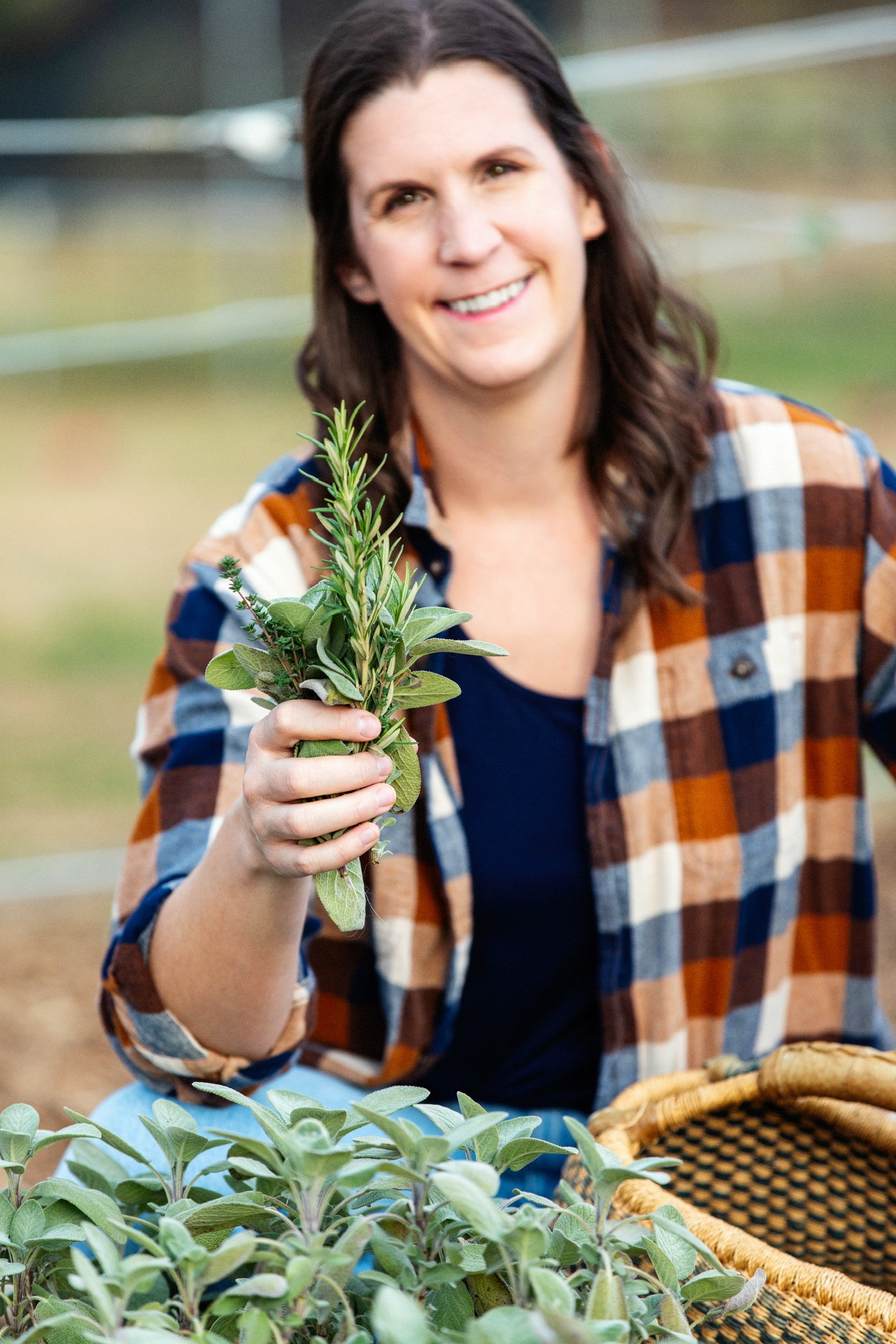
Native to the Mediterranean region, sage thrives in warm, sunny environments with well-drained soil. It’s a resilient plant that prefers to grow a little wild — too much water or shade can dull its potency. Traditionally, the leaves are harvested just before flowering, when their aromatic oils are at their peak.
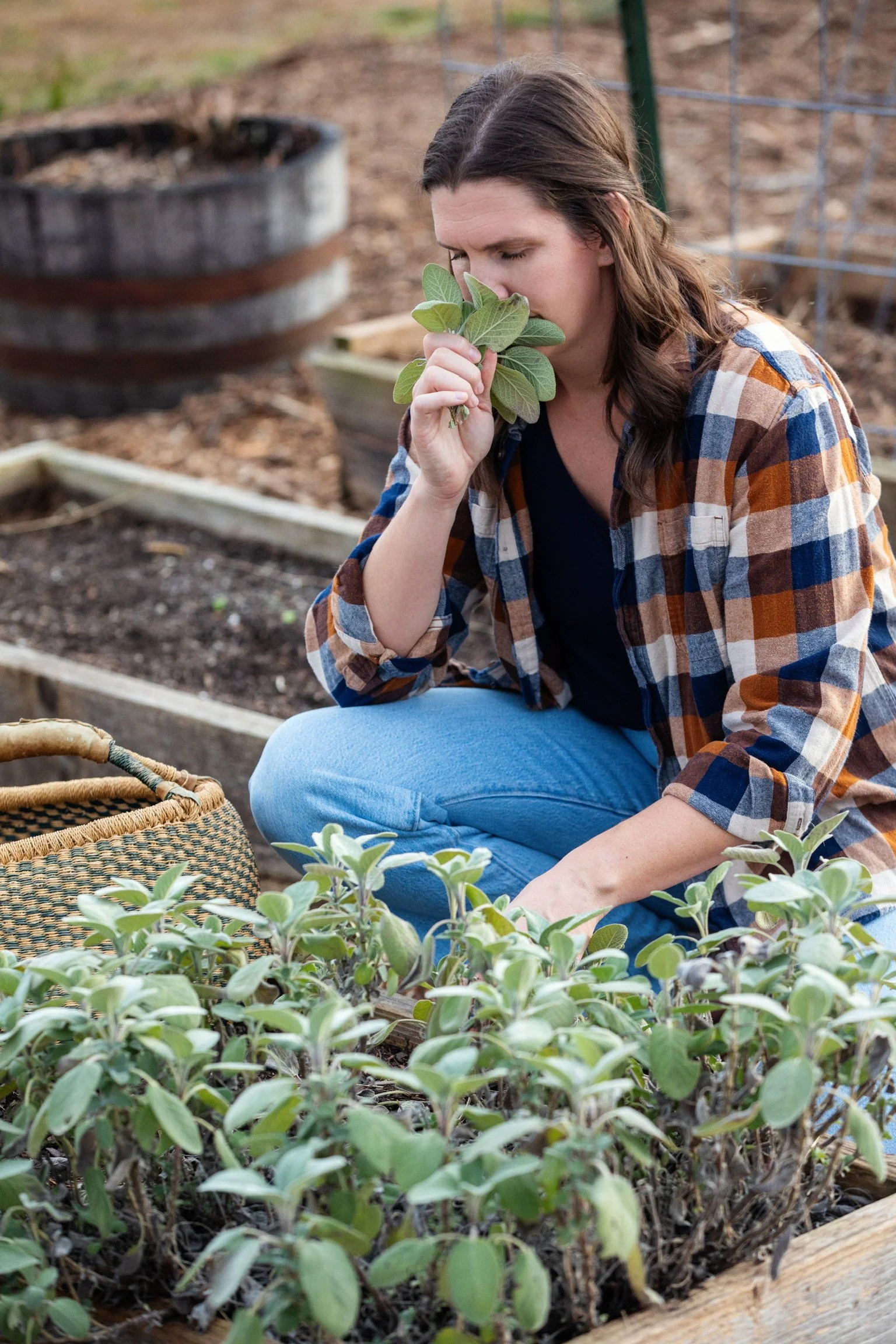
While sage originates from warmer climates, it adapts beautifully to many regions. Here in West Virginia, sage grows exceptionally well and has become one of my favorite herbs in the garden. Once established, it’s hardy and reliable, and when mulched, it typically winters over with ease, returning each spring stronger and more fragrant. There’s something especially grounding about harvesting sage right outside your door — a reminder that powerful medicine doesn’t need to be exotic or far away.
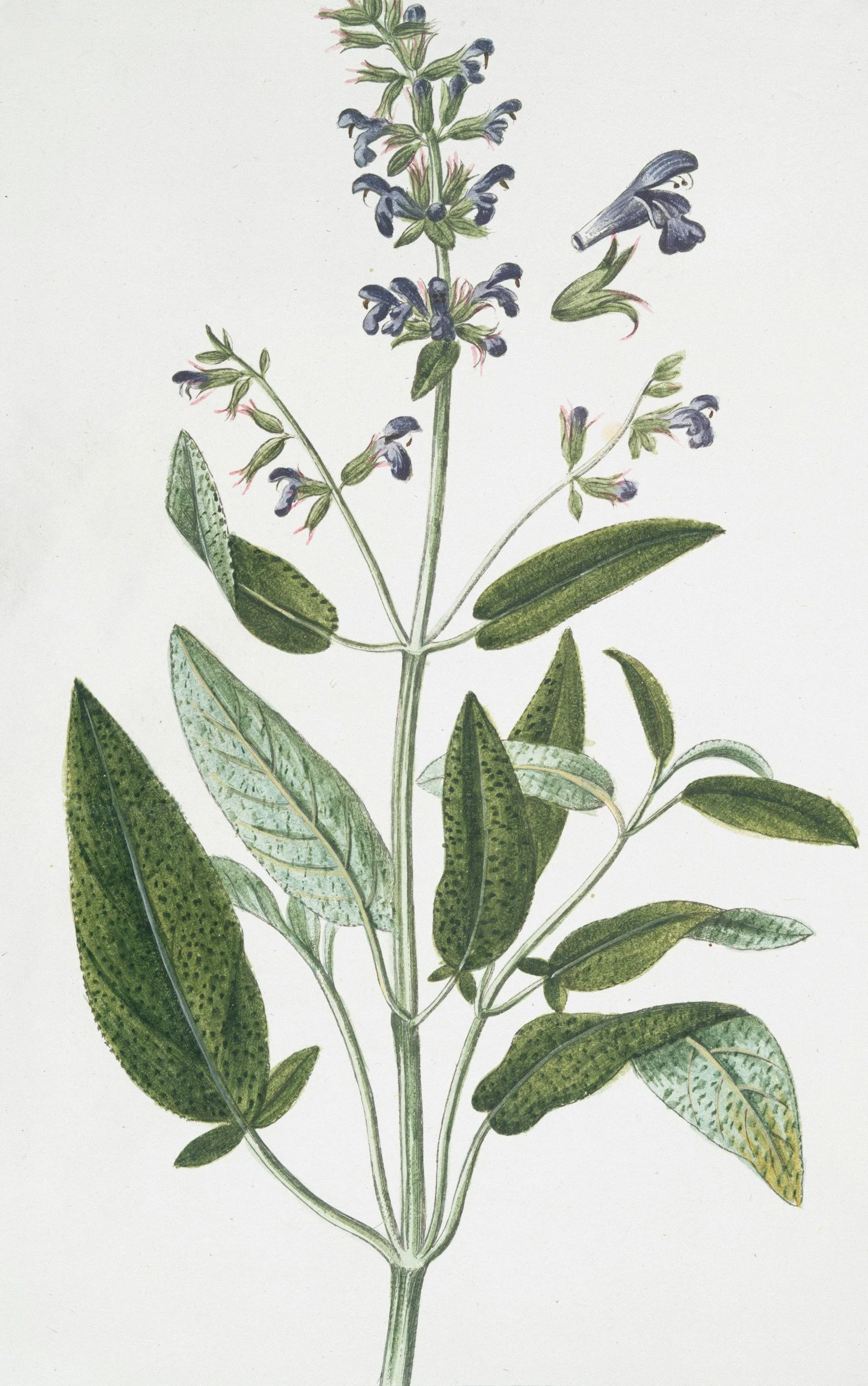
Historically, sage was considered a “guardian herb.” Ancient cultures believed it supported longevity and wisdom, and its Latin name Salvia comes from salvare, meaning “to save” or “to heal.” While folklore surrounding sage runs deep, modern herbalism continues to validate many of its traditional uses.
Traditional & Modern Uses
Sage is best known for its role in digestive support. It helps stimulate digestive secretions, making it especially useful for sluggish digestion, bloating, or discomfort after heavy meals. In this way, sage pairs beautifully with richer foods — which is likely why it became such a staple in traditional cuisines.
Respiratory support is another key role of sage. Its aromatic compounds can be soothing to the throat and supportive during times of seasonal congestion or vocal strain. Sage teas or gargles have long been used for scratchy throats, especially during colder months.
Cognitively, sage has a long-standing reputation for supporting mental clarity and focus. Herbalists often turn to sage when the mind feels foggy or scattered, or when someone needs grounding and presence during times of mental overload.
Beyond the physical body, sage is widely recognized for its energetic and ceremonial use. The smoke of dried sage has traditionally been used to cleanse spaces, objects, and even emotional energy — not as a superstition, but as a ritual that invites intention, awareness, and reset.
Energetic & Holistic Perspective
Energetically, sage is:
Purifying – clears stagnation, heaviness, and old patterns
Grounding – helps anchor the mind back into the body
Clarifying – supports discernment, focus, and mental calm
It’s a wonderful herb to work with during transitions — seasonal changes, emotional clearing, or times when you feel the need to “clear the slate.”
Ways to Use Sage
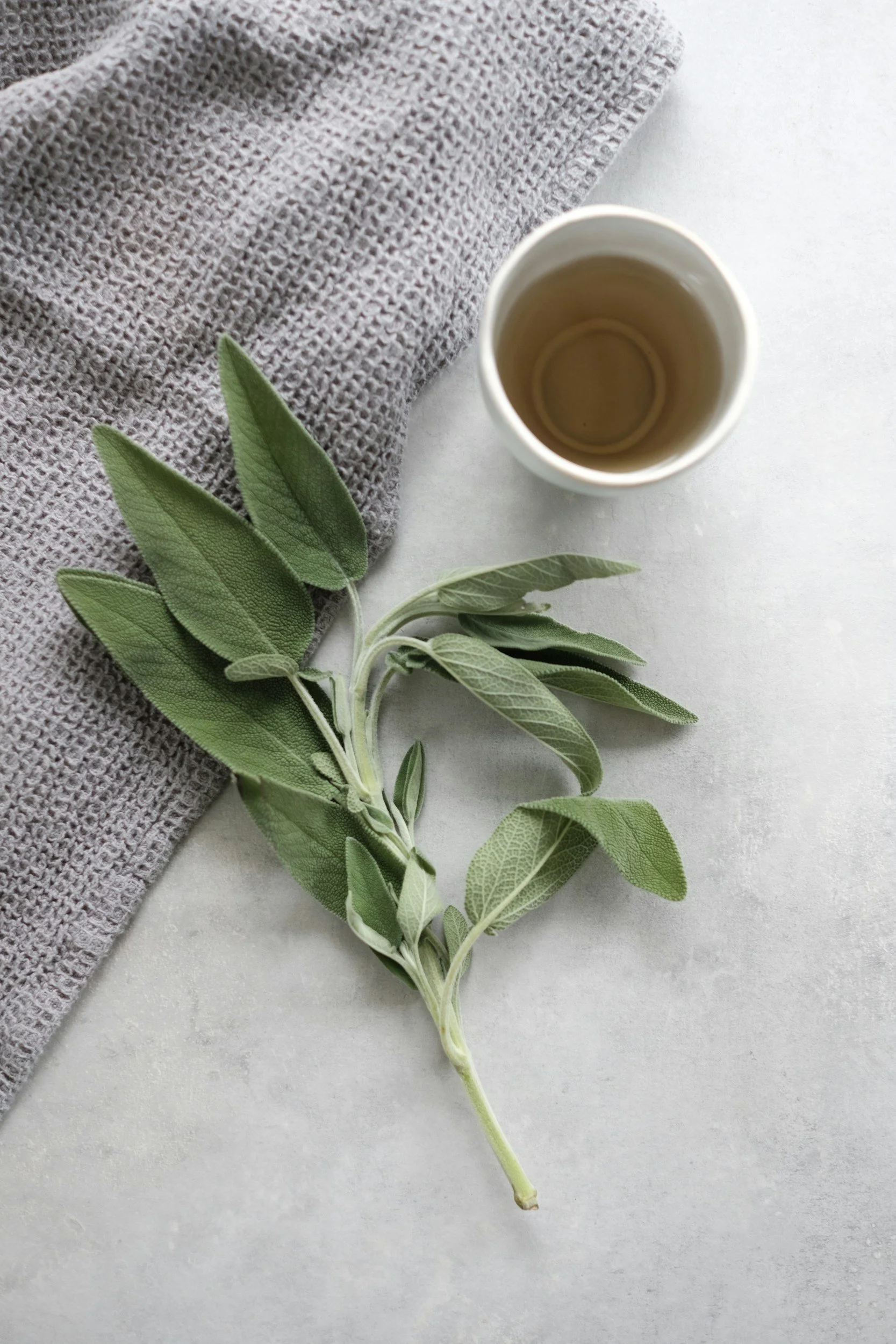
Tea: Gentle digestive and respiratory support
Gargle: Soothing for throat irritation
Culinary: Enhances digestion when paired with rich or fatty foods
Smoke or incense: Energetic cleansing of spaces (used mindfully and respectfully)
Safety & Precautions
While sage is very safe when used in culinary amounts or mild teas, concentrated sage essential oil should be used with caution. High doses of sage oil contain thujone, which can be toxic in excess.
Avoid medicinal doses during pregnancy
Use caution in individuals with seizure disorders
Stick to food-level or tea preparations unless guided by a trained practitioner