

Echinacea
Echinacea is a flowering plant native to North America, often found in prairies and open woodlands. Harvested primarily from its roots, leaves, and flowers, it is a staple in traditional herbal medicine for immune support and overall vitality. Holistically, echinacea is considered strengthening and balancing, especially during cold and flu season.
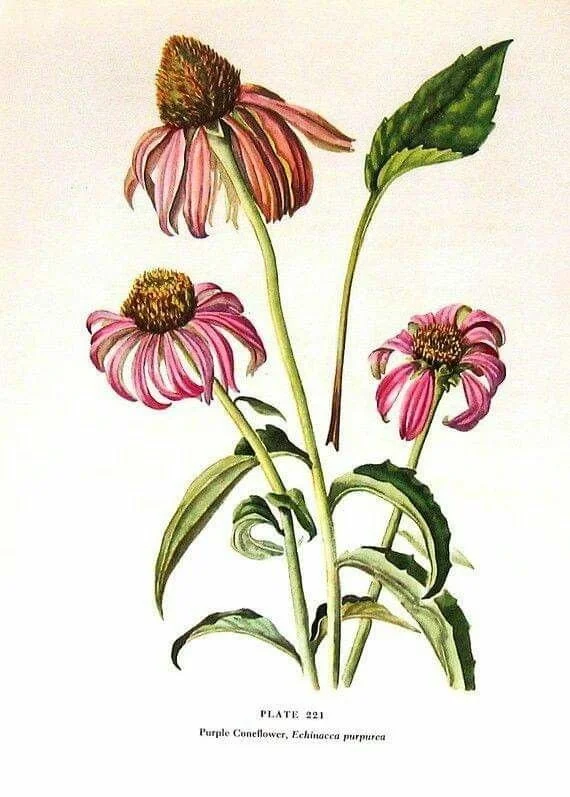
Quick Herbal Snapshot
Scientific Name: Echinacea purpurea (often blended with Echinacea angustifolia)
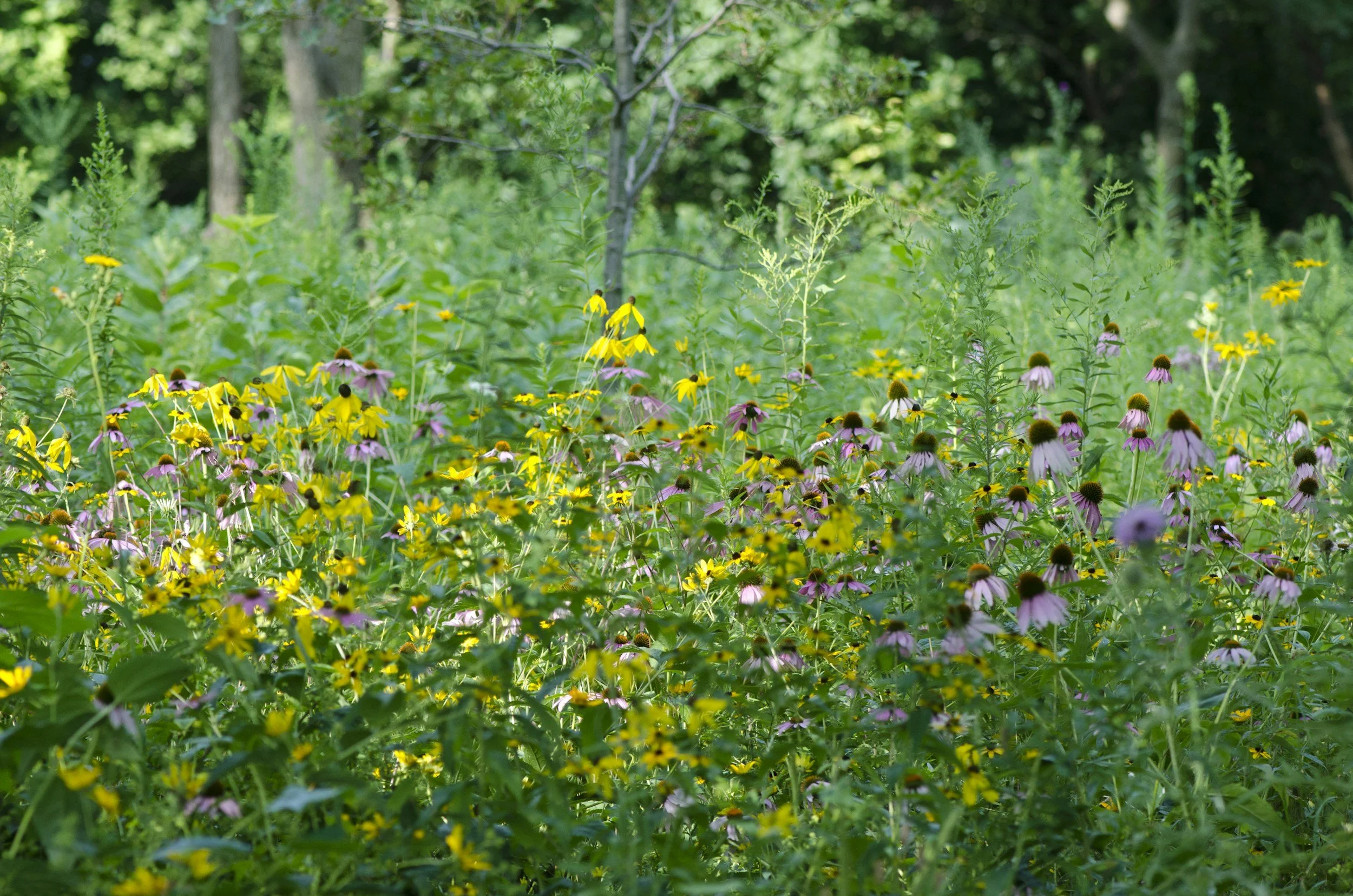
Where It Grows / Harvested From: Native to North American prairies and open woodlands; roots, leaves, and flowers harvested late summer through fall
Uses & Benefits: Supports immune function, may reduce the duration and severity of colds, antioxidant-rich, supportive during periods of stress or increased exposure
Energetic & Holistic Properties: Strengthening, protective, balancing, supportive of immune resilience
Precautions / Safety Notes: May cause allergic reactions in individuals sensitive to plants in the daisy or ragweed family. Those who are immunocompromised or taking immune-suppressing medications should use echinacea under the guidance of a qualified practitioner.
When used thoughtfully, echinacea is a beautiful reminder that immune health isn’t about overpowering the body, it’s about supporting its innate wisdom. Sometimes, the body simply needs the right kind of support to do what it was designed to do.
Echinacea is one of those herbs that feels deeply familiar, almost ancestral. Native to North America, this flowering plant has long thrived in open prairies and woodlands, exposed to wind, weather, drought, and seasonal extremes. That ability to endure and adapt is exactly why echinacea has been used for generations as a trusted ally for immune strength, resilience, and vitality.
Indigenous tribes were among the first to recognize echinacea’s powerful medicinal qualities, using it to support immune health, wound healing, infections, and overall stamina. Today, echinacea remains one of the most well-studied herbs in modern herbal medicine, bridging traditional wisdom with evidence-based support, especially during cold and flu season.
Unlike herbs that aggressively stimulate the immune system, echinacea works more intelligently. From a functional and holistic perspective, it supports immune balance. It helps the body respond appropriately, stronger when needed, calmer when overstimulation would be counterproductive. This makes echinacea especially useful during times of increased exposure, stress, poor sleep, or at the very first signs of illness.
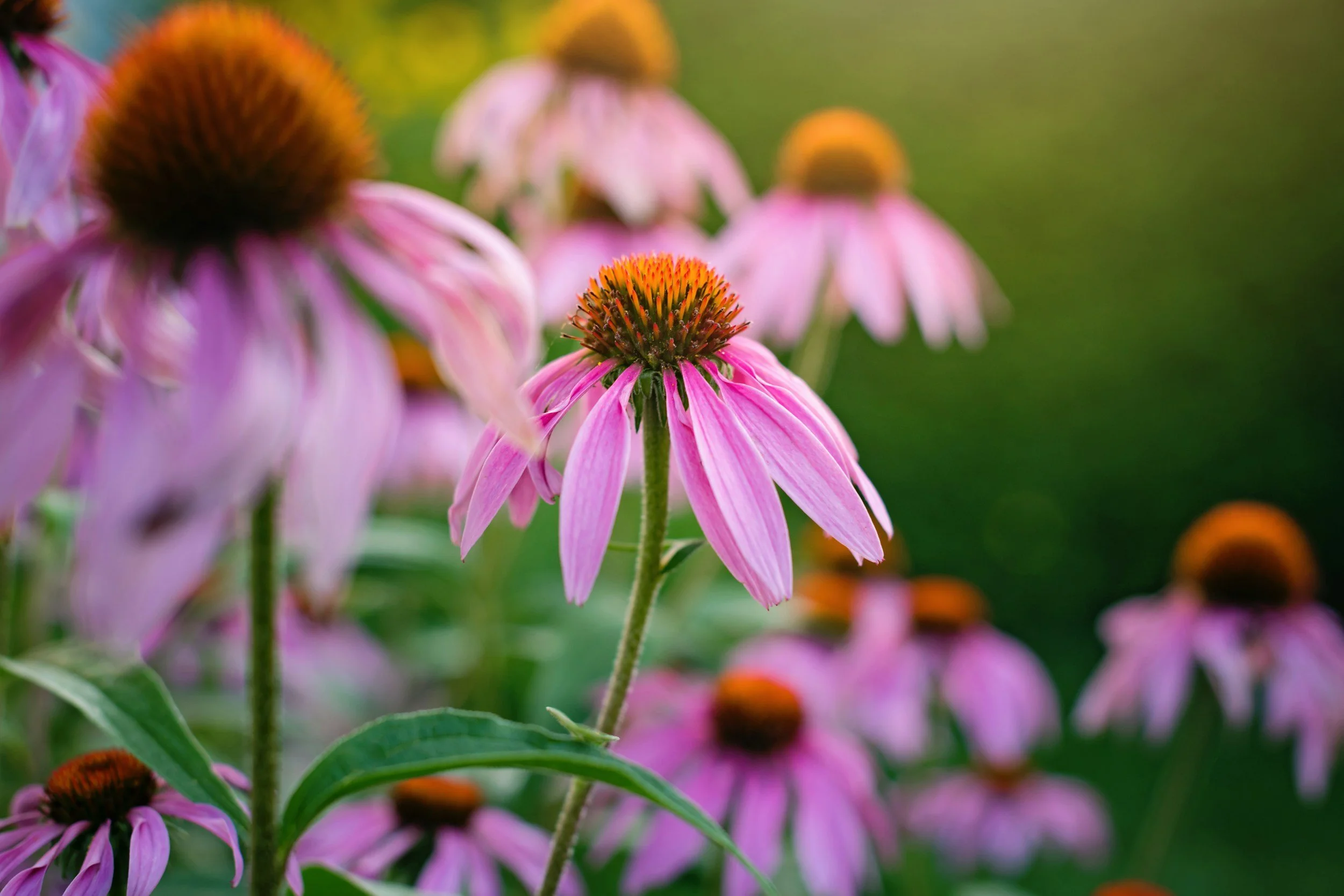
Not All Echinacea is the Same
There are several species of echinacea, and while they share overlapping benefits, each has its own unique strengths. The two I use most often in practice, and my favorite combination for immune support, are Echinacea purpurea and Echinacea angustifolia.
Echinacea purpurea is the most commonly used species and is rich in immune-modulating and antioxidant compounds. It is gentle, effective, and well tolerated, making it an excellent option for ongoing immune support and for children. It supports healthy white blood cell activity and has been shown to help reduce the duration and severity of colds when used early.
Echinacea angustifolia is traditionally considered the more potent and deeply acting species. It has a strong affinity for immune activation at the tissue level and has historically been used for more stubborn or intense immune challenges. Its root is particularly rich in alkamides, which play an important role in immune signaling and inflammatory balance.
When these two species are combined, you get the best of both worlds—the gentle, broad immune support of purpurea paired with the deeper, more targeted action of angustifolia. This balance is why this blend is my go-to choice for immune protocols, especially at the onset of illness or during high-exposure seasons.
Energetics & a Holistic View
Energetically, echinacea is strengthening, protective, and balancing. It helps move immune activity throughout the tissues and supports clear communication within the immune system. I often think of echinacea as an herb that helps the immune system respond appropriately, not louder, just smarter.
Because of this, echinacea tends to work best when used early. That subtle scratchy throat, mild congestion, fatigue, or “something feels off” feeling is the perfect time to bring it in. When used at the first signs of imbalance, echinacea can often shorten the course of illness or prevent it from fully taking hold.
Ways to Use Echinacea
Echinacea is a versatile herb and can be used in several forms depending on age, preference, and the situation:
Tincture: One of the most effective and fast-acting forms. Ideal at the first sign of illness or during acute immune stress. This is often my preferred option for both adults and children (using appropriate dosing).
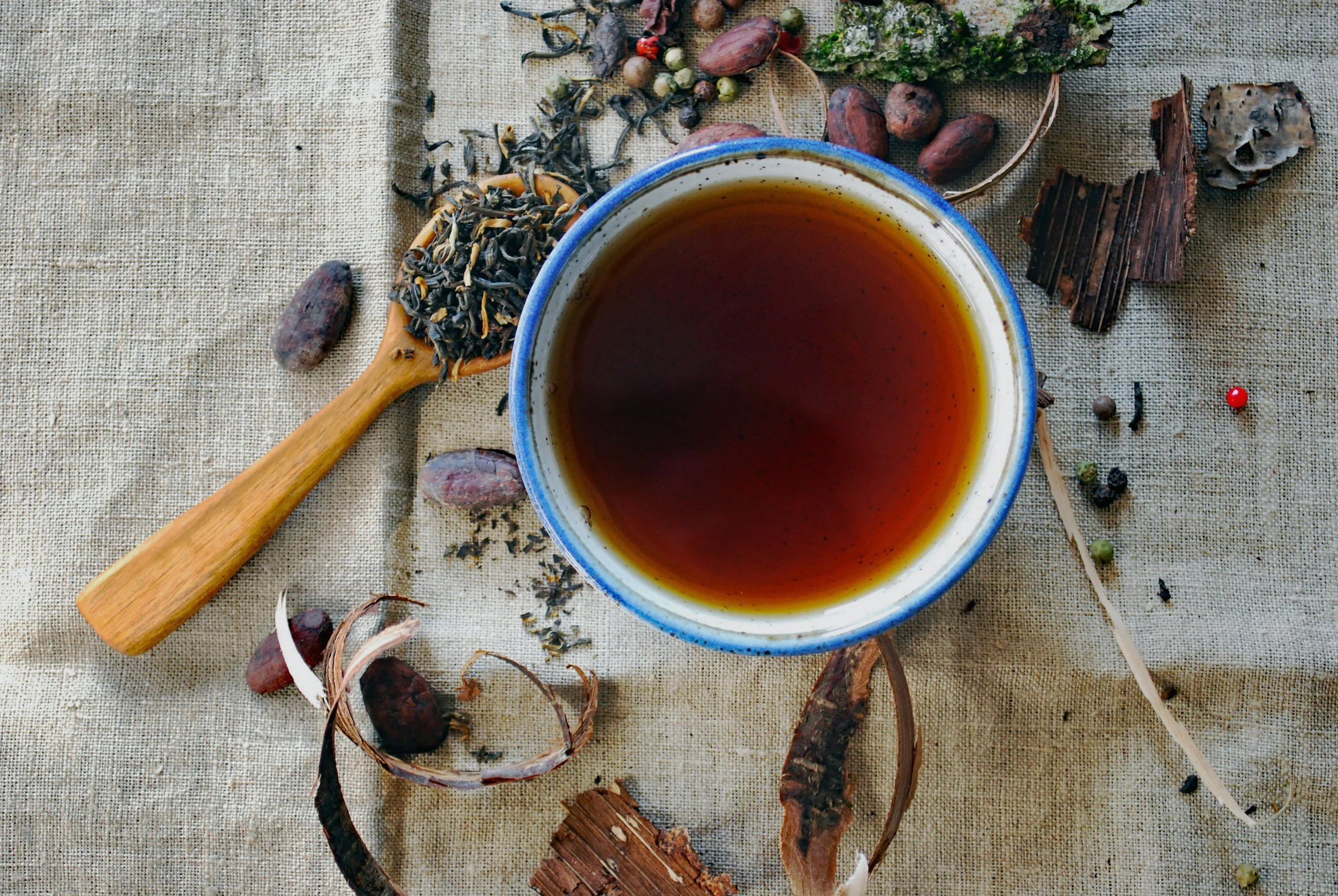
Tea: A gentle, soothing option that supports hydration and immune comfort during illness. Best prepared with a blend of root and aerial parts when possible.
Capsules: A convenient option for those who prefer not to taste herbs, though they tend to act more slowly than liquid extracts.
Short-Term Immune Support: Echinacea is best used for days to a couple of weeks at a time rather than continuously for months.
Harvest & Plant Wisdom
Echinacea is harvested from its roots, leaves, and flowers, with late summer through fall being the most potent time, especially for the roots. Each part of the plant offers unique medicinal properties, but the roots are especially prized for their immune-modulating effects, while the flowers and leaves provide antioxidant and anti-inflammatory support.