

Winter Adaptagens
As the seasons shift and our bodies start asking for a little more steadiness, I always find myself reaching for my favorite grounding adaptogens — the herbs and mushrooms that help us meet life with more resilience, calm, and clarity. These are not the flashy, quick-fix remedies. These are the quiet, wise, deeply supportive botanicals that work slowly and steadily, filling up the reserves that stress and modern life tend to drain.
Two of my absolute go-to allies this time of year are Reishi and Ashwagandha. One is a woody, ancient mushroom that feels like an anchor for the nervous system. The other is a root that’s been cherished for centuries for its ability to soothe stress and rebuild strength from the inside out. Together, they offer a beautiful balance of calm energy, immune steadiness, and grounded vitality.
In this post, we’re taking a deeper dive into both — their history, benefits, energetics, and how they can support your body through stress, fatigue, and seasonal shifts. And at the bottom, you’ll find simple, delicious ways to use them at home.
Reishi & Ashwagandha: Two Adaptogenic Allies for Deep Winter Wellness
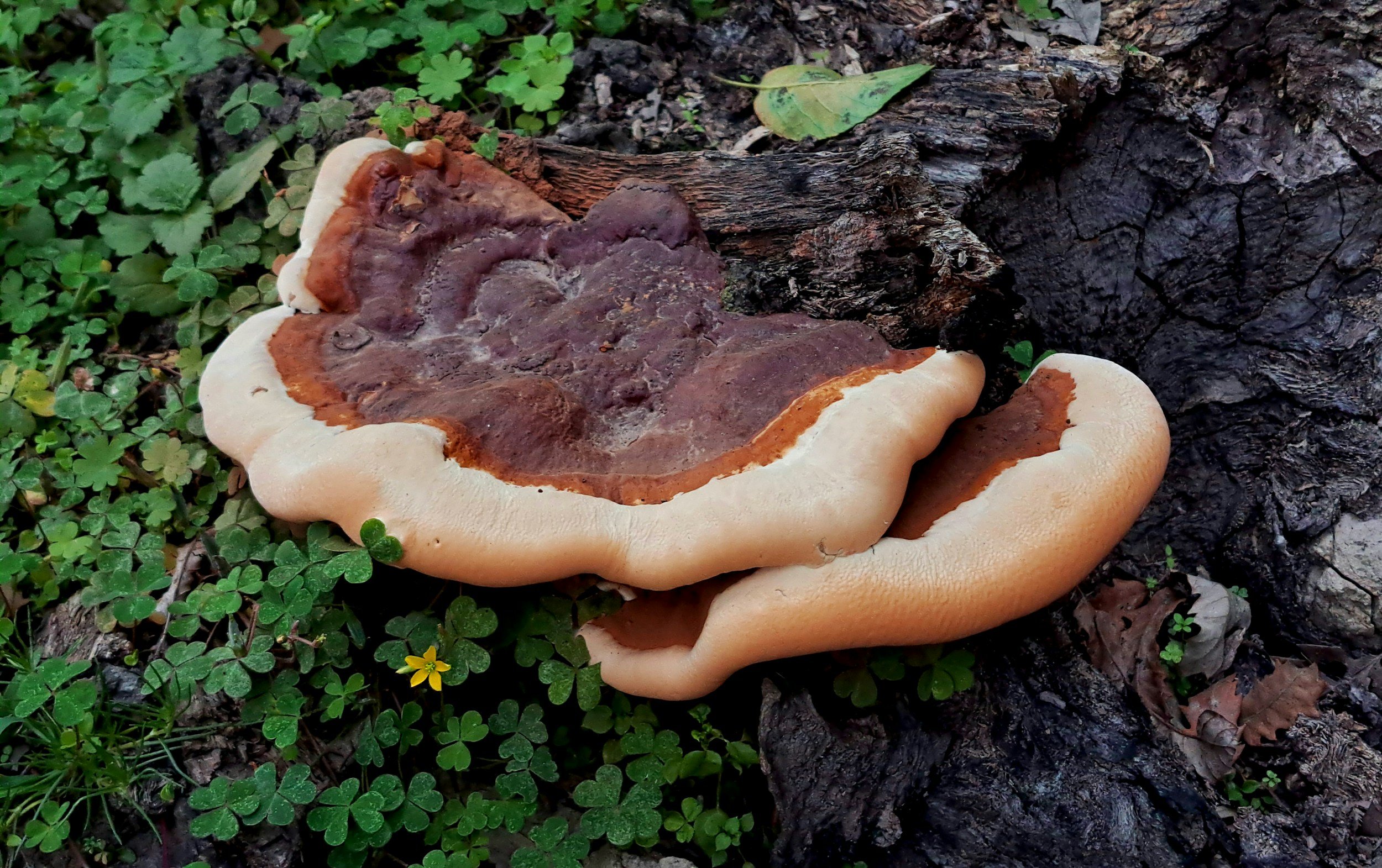
Reishi — The Mushroom of Immortality
If there were ever a mushroom that felt like a wise, ancient grandmother in herb form, it would be Reishi. Known in traditional Chinese medicine as the “mushroom of immortality,” Reishi has been treasured for thousands of years for its ability to support longevity, vitality, and, honestly… just help us feel more like ourselves again.
This is not a mushroom you sauté for dinner. Reishi is hard, woody, earthy, and deeply medicinal — the kind of plant ally you simmer low and slow, letting its wisdom unfold into your cup.
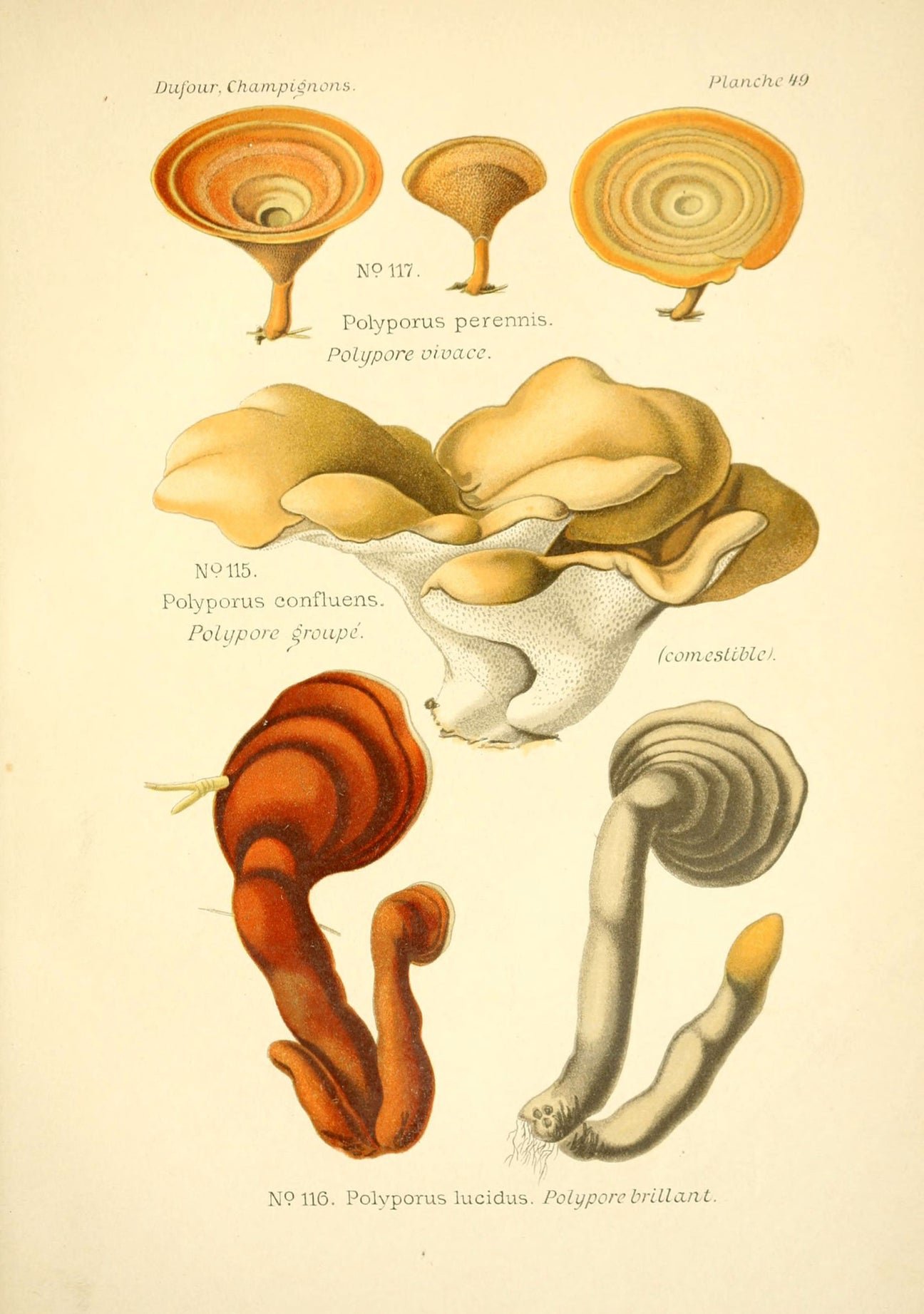
Where Reishi Comes From
Scientific name: Ganoderma lucidum
Reishi grows naturally on hardwood trees across Asia and is now cultivated worldwide on logs or sawdust. Wild or cultivated, it maintains that same grounding, ancient energy that herbalists love.
What Reishi Can Support
Reishi is a gentle but powerful adaptogen, meaning it helps your body adapt to stress — something we all need, especially during the winter hustle or stressful seasons of life.
Some of its star benefits include:
Immune support (it doesn’t overstimulate; it helps modulate and balance)
Stress resilience and improved calm
Enhanced vitality and energy over time (not a caffeine buzz — more like a “my batteries are finally recharged” feeling)
This is an herb that shines when taken consistently. Think of it as a daily ritual, a steady companion, not a quick fix.
Energetic & Holistic Qualities
Reishi is grounding, calming, and deeply centering. Herbal energetics often describe it as a mushroom that pulls you out of your head and back into your body — a reminder to slow down, breathe, and come home to yourself.
It’s ideal for winter months, burnout, chronic stress, or any season where you’re craving steadiness.
Safety Notes
Reishi is considered generally safe, but it can:
Cause mild digestive upset in sensitive individuals
Have blood-thinning properties — so exercise caution if you’re on blood-thinning medications
Otherwise, it’s gentle, nourishing, and beautifully suited for long-term use.
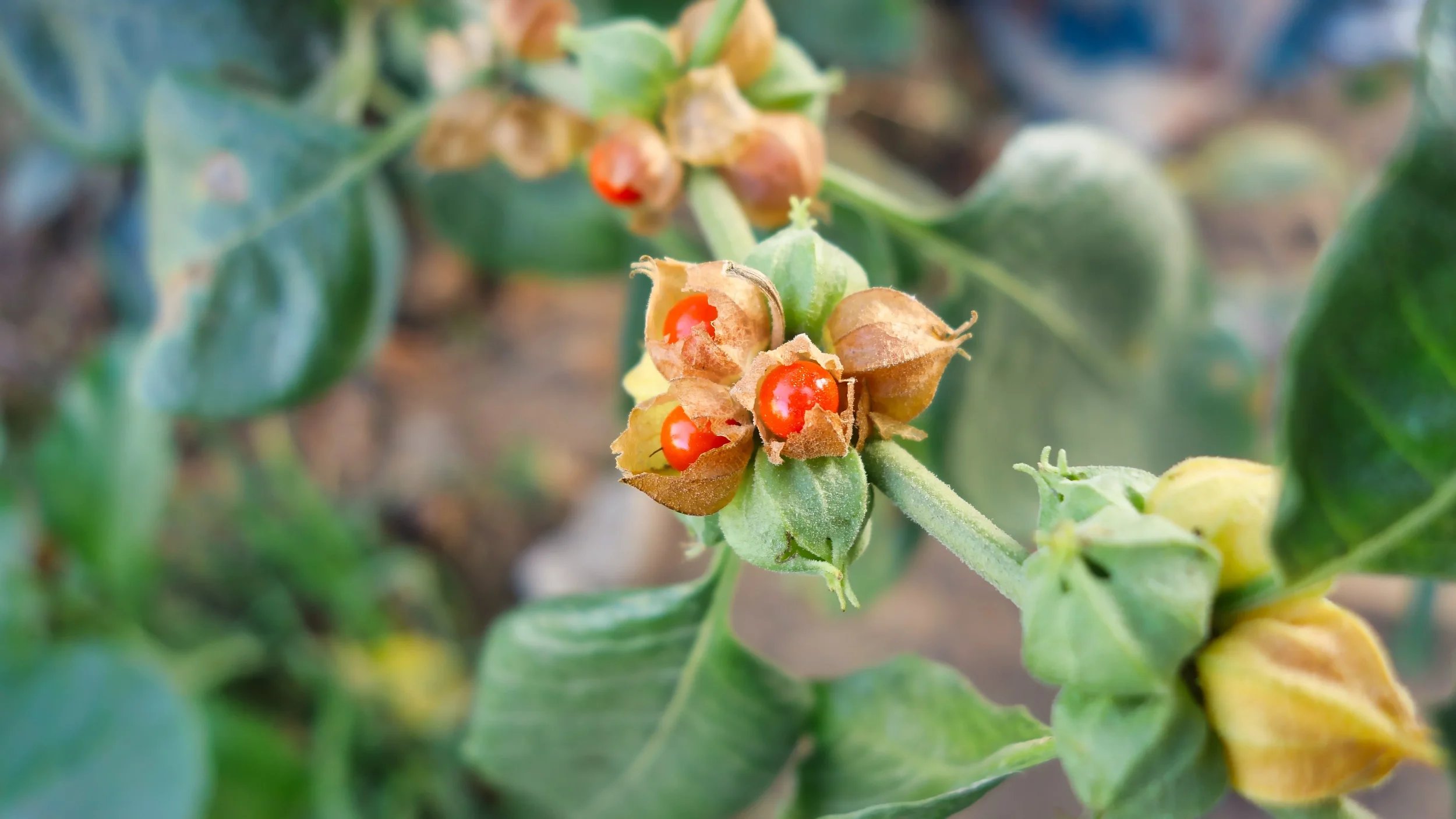
Ashwagandha — The Root That Feels Like a Deep Breath
Ashwagandha is one of those herbs people fall in love with after the first week of taking it. Rooty, earthy, calming, and deeply restorative, it’s a cornerstone of Ayurvedic medicine and a true friend for people running on fumes.
If Reishi is the wise grandmother, Ashwagandha is the warmhearted grounding friend who hands you a cup of tea and says, “Hey, you’re doing great. Let’s support that nervous system of yours.”
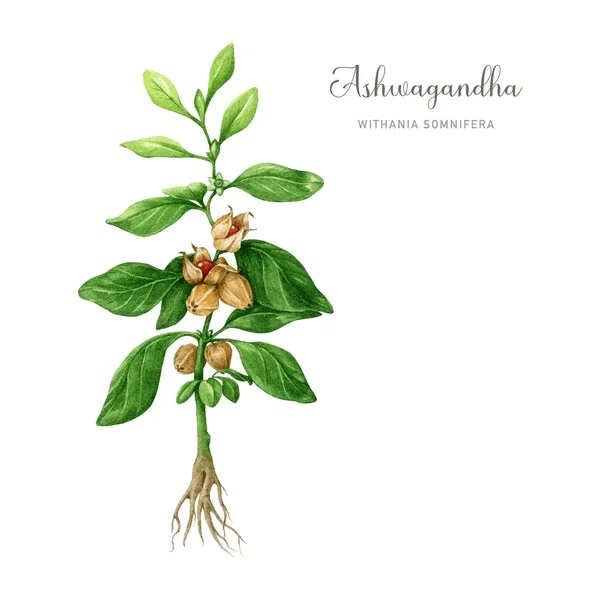
Where Ashwagandha Comes From
Scientific name: Withania somnifera
Native to India and parts of Africa, Ashwagandha is harvested primarily from its roots — that’s where all the magic lives. Once mature, the roots are dried and used as powders, tinctures, capsules, and teas.
Benefits & Traditional Uses
Ashwagandha is famous for its ability to support:
Stress management and cortisol balance
Energy and stamina without overstimulation
Hormonal and adrenal health
Better mood, steadier nerves, and deeper sleep
Unlike stimulating adaptogens (like ginseng), Ashwagandha is a restorative adaptogen — meaning it helps rebuild and replenish what stress has drained.
Energetic & Holistic Qualities
If you’ve ever felt ungrounded, frazzled, scattered, or depleted, Ashwagandha is the herb that gently pulls you back into alignment.
Energetically, it’s:
Grounding
Nurturing
Strengthening
Resilience-building
Herbalists often use Ashwagandha for people who feel anxious, burned out, or like they’re “tired but wired.”
Safety Notes
Ashwagandha is generally well tolerated, but:
It’s not recommended in pregnancy
It may lower blood pressure or blood sugar
So if you’re on medications for either, check with your practitioner before starting.
Working with Reishi and Ashwagandha isn’t about perfection or elaborate routines — it’s about small, consistent rituals that remind your body, “Hey, you’re supported.” Maybe it’s a Reishi-infused evening tea that helps you unwind after a long day, or a cozy cup of Ashwagandha moon milk before bed. Maybe it’s adding them to your favorite wellness latte, smoothie, or herbal blend.
Adaptogens shine when used regularly and intentionally. Give them time to weave into your system — think weeks, not days — and you’ll often notice shifts in energy, mood, sleep, and overall resiliency.
Whether you choose one or both, these herbs are truly companions for the long haul, offering nourishment, balance, and a deep exhale for your whole system.
If you’d like help building a personalized adaptogen routine for stress, sleep, hormones, or seasonal immunity, I’m always happy to guide you. Just let me know — herbal support is meant to be accessible, enjoyable, and tailored to you.