

Dandelion
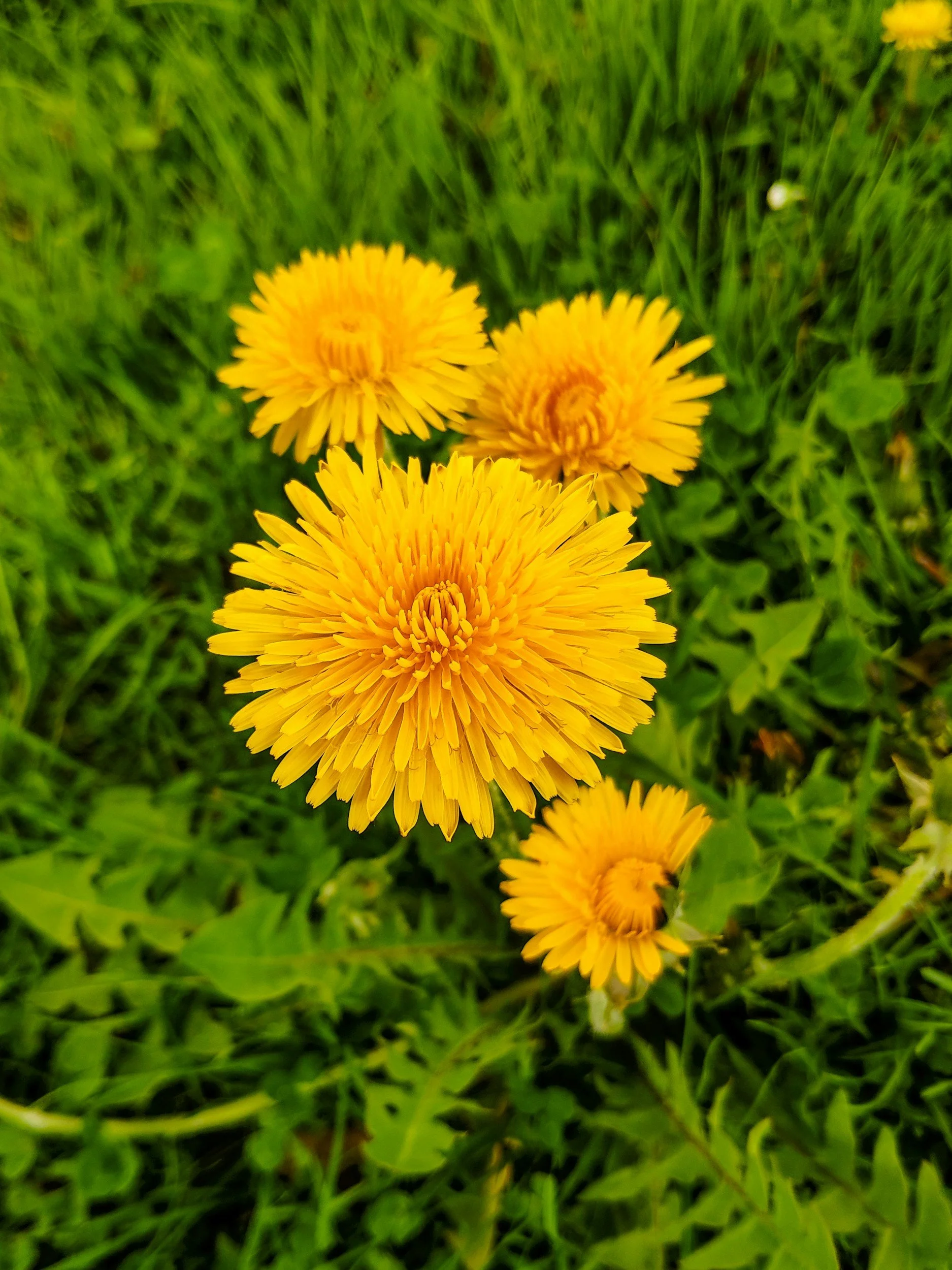
A Powerful Yet Gentle Herb for Liver, Digestion, and Whole-Body Wellness. Dandelion is one of the most recognizable plants in the world, often dismissed as a common weed. Yet this bright yellow flower has been valued for centuries in traditional herbal medicine for its ability to support the body’s natural detoxification systems, particularly the liver, kidneys, and digestive tract.
Every part of the dandelion plant—roots, leaves, and flowers—offers unique health benefits. Herbalists have long used this resilient plant as a nourishing tonic that gently supports the body’s ability to cleanse, digest, and maintain balance.
Botanical Overview
Scientific Name:Taraxacum officinale
Plant Family: Asteraceae
Common Names: Dandelion, Lion’s Tooth, Blowball
Dandelion is native to Europe and North America, though it now grows widely across temperate regions of the world. It thrives in sunny, open areas such as lawns, fields, meadows, and roadsides, often appearing early in the spring.
Different parts of the plant are harvested at different times of the year:
• Roots: Typically harvested in the fall or early spring when nutrient content is highest
• Leaves: Best harvested young in the spring before they become more bitter
• Flowers: Gathered in spring or early summer when fully open
Dandelion has a long history in traditional medicine systems including European herbalism, Traditional Chinese Medicine, and Native American healing practices.

Nutritional and Herbal Properties
Dandelion is rich in a variety of beneficial plant compounds and nutrients, including:
• Bitter compounds that stimulate digestion
• Inulin, a prebiotic fiber that supports gut health
• Vitamins A, C, and K
• Minerals such as potassium, iron, and calcium
• Polyphenols and antioxidants
These components contribute to dandelion’s reputation as a gentle yet effective tonic herb that supports multiple systems in the body.
Traditional and Modern Uses
Liver Support
One of dandelion’s most well-known uses is supporting liver function. The root in particular helps stimulate bile production, which plays an important role in digestion and detoxification. Healthy bile flow supports the body in breaking down fats and helps the liver process and eliminate toxins more effectively.
Digestive Support
Dandelion’s naturally bitter taste helps stimulate digestive secretions, including stomach acid and digestive enzymes. This can be helpful for individuals who experience:
• Bloating after meals
• Sluggish digestion
• Occasional constipation
• Difficulty digesting fats
In herbal traditions, bitter herbs like dandelion are often consumed before meals to help “wake up” the digestive system.
Kidney and Fluid Balance
Dandelion leaves have traditionally been used as a gentle natural diuretic, helping the body eliminate excess fluid while still providing important minerals like potassium. This makes it supportive for maintaining healthy fluid balance and kidney function.
Gentle Detoxification Support
Rather than forcing detoxification, dandelion works by supporting the body’s natural detox pathways. Its combined actions on the liver, digestion, and kidneys make it a helpful herb during seasonal wellness routines or when supporting overall metabolic health.

Energetic and Holistic Properties
From an energetic perspective, dandelion is often considered:
• Cleansing – helping the body release stagnation
• Tonifying – gently strengthening organs like the liver
• Uplifting – supporting vitality and renewal
Because it is both nutritive and cleansing, herbalists often use dandelion as a foundational herb in many wellness protocols.
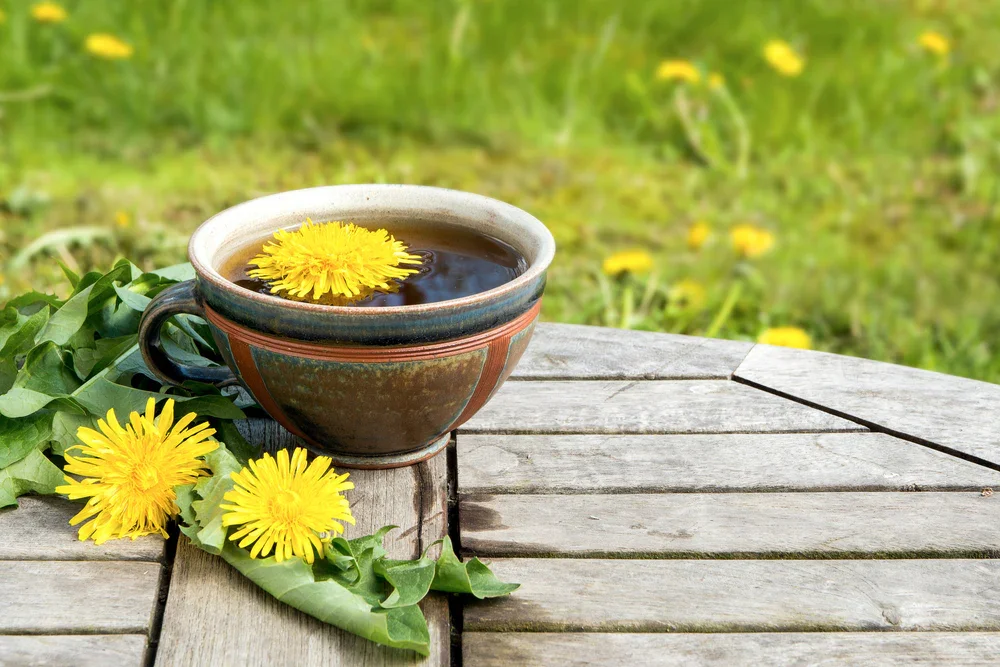
Ways to Use Dandelion
Dandelion can be incorporated into wellness routines in many different forms:
Dandelion Root Tea
Often roasted or dried, dandelion root tea has an earthy flavor and is commonly used to support liver and digestive health.
Fresh Leaves in Food
Young dandelion greens can be added to salads, sautéed dishes, or smoothies as a nutrient-dense leafy green.
Tinctures
Concentrated liquid extracts are commonly used to support digestion and liver function.
Coffee Alternative
Roasted dandelion root is sometimes used as a caffeine-free coffee substitute with a rich, roasted flavor.
Bringing Spring into the Kitchen: Dandelion “Honey”
One of our favorite seasonal traditions each spring is making dandelion honey. The bright yellow blossoms are gently simmered and infused to create a golden syrup that captures the light, floral flavor of the flowers. While it doesn’t contain actual honey, the finished syrup has a similar texture and sweetness and can be used in many of the same ways.
Each year we harvest dandelion flowers and make a batch to enjoy throughout the seasons ahead. It’s a beautiful way to preserve the flavors of spring and bring them into our meals all year long. Dandelion honey can be drizzled over yogurt, stirred into tea, spread on toast, or used in baking.
For us, this simple tradition is a reminder that even the most common plants can become something special when we slow down and connect with the seasons.

Foraging Considerations
If you choose to forage dandelion yourself, it is important to harvest plants from clean, unsprayed areas. Avoid collecting dandelion from locations that may have been treated with pesticides, herbicides, or lawn chemicals, such as conventional lawns, public parks, or roadside areas.
It is also best to avoid harvesting plants from locations where there may be animal waste contamination, such as dog walking paths or livestock grazing areas. Look for dandelion growing in wild, untreated environments or your own organic garden to ensure the plants are clean and safe to use.
As with all wild harvesting, always make sure you are confident in plant identification before consuming or preparing any plant.
Precautions and Safety
Dandelion is generally considered very safe for most people, but a few considerations are important:
• Individuals with ragweed or Asteraceae family allergies may experience sensitivity
• Because it can act as a mild diuretic, increased urination may occur
• Those with gallbladder conditions or bile duct obstruction should consult a healthcare professional before using
As with any herbal remedy, it is always best to consult a qualified healthcare practitioner before beginning regular use, especially during pregnancy, breastfeeding, or when taking medications.
A Humble Plant with Powerful Benefits
Despite its reputation as a backyard weed, dandelion is one of nature’s most valuable medicinal plants. With its ability to support digestion, liver function, and natural detoxification, it offers a simple yet powerful way to nourish the body.
Sometimes the most beneficial herbs are the ones growing right under our feet.