Arnica: A Powerful Herb for Natural Recovery
When it comes to supporting the body's natural recovery process, few herbs are as well-known as arnica. This bright yellow flowering plant has been used for generations in traditional European herbal medicine to help soothe sore muscles, ease discomfort, and support recovery following minor injuries.
Whether you're dealing with muscle soreness after a workout, everyday bumps and bruises, or general musculoskeletal discomfort, arnica is a popular addition to a natural wellness toolkit.
At Prana Mama Wellness, we love exploring herbs that complement the body's natural healing processes, and arnica is one worth knowing about.
Getting to Know Arnica
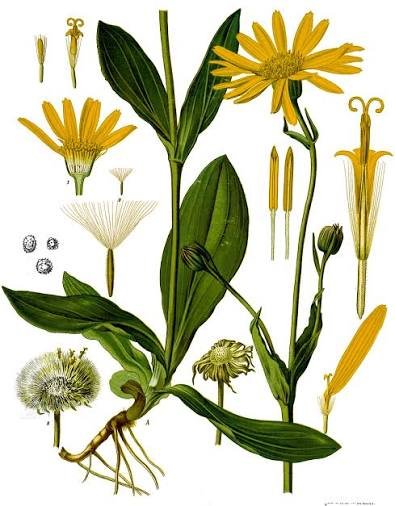
Scientific Name: Arnica montana
Where It Grows: Arnica montana is native to mountainous regions of Europe, particularly alpine meadows and grasslands. Other species of arnica grow naturally throughout North America.
Harvesting: The bright yellow-orange flowers are typically harvested during their blooming season and used to create herbal oils, creams, gels, and tinctures intended for topical application.
Arnica belongs to the Asteraceae family, alongside chamomile, calendula, and daisies. Its flowers contain naturally occurring plant compounds, including sesquiterpene lactones and flavonoids, that have been studied for their potential anti-inflammatory properties.
Traditional Uses & Potential Benefits of Arnica
1. Bruising & Minor Injuries
One of arnica's most recognized traditional applications is supporting the appearance and resolution of bruises.
Arnica is commonly used topically following minor bumps, strains, and soft tissue injuries. Some clinical studies suggest certain arnica preparations may help with bruising, although findings are mixed and benefits have not been consistently demonstrated.

2. Muscle Soreness & Recovery
Arnica is frequently incorporated into massage oils, muscle rubs, and recovery balms.
It has traditionally been used for:
Post-exercise muscle soreness
General muscular aches
Minor strains and soft tissue discomfort
Recovery following physical activity
Topical arnica may provide some relief for certain types of musculoskeletal discomfort, although clinical evidence remains limited.
3. Joint Comfort & Mobility
Arnica gels are sometimes used to support joint comfort, particularly in individuals experiencing stiffness or osteoarthritis-related discomfort.
A small number of clinical trials have evaluated topical arnica for hand and knee osteoarthritis, with some encouraging findings. However, larger, higher-quality studies are needed.

4. Postpartum Recovery
Arnica is also commonly discussed in holistic postpartum recovery practices, particularly for soreness and bruising following birth.
Homeopathic arnica is frequently included in natural birth and postpartum kits. However, highly diluted homeopathic arnica is different from herbal arnica preparations, and there is insufficient reliable evidence that homeopathic arnica improves postpartum healing or pain.
Herbal arnica should not be applied to perineal tears, surgical incisions, or other broken skin. Pregnant and breastfeeding individuals should consult their healthcare provider before using medicinal arnica preparations.
Energetic & Holistic Properties
In traditional herbal energetics, arnica is often described as:
Warming: Traditionally associated with encouraging movement and circulation.
Soothing: Used in herbal body-care practices to promote comfort following physical exertion.
Revitalizing: Symbolically associated with resilience, restoration, and recovery.
These descriptions reflect traditional herbal philosophy rather than scientifically established physiological effects.
How to Use Arnica
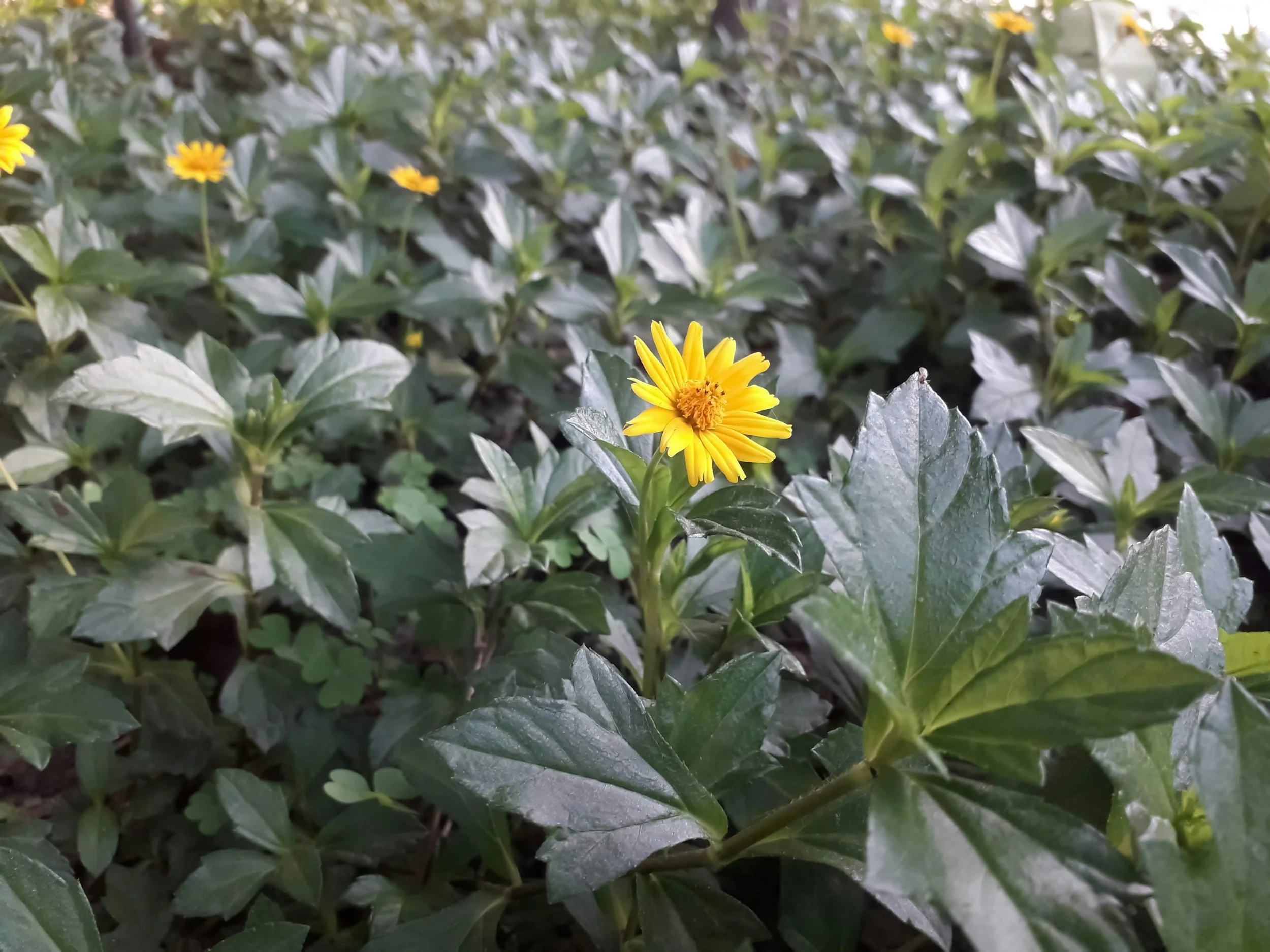
Arnica is most commonly found in topical preparations, including creams, salves, gels, and infused massage oils.
Apply according to the product directions to intact skin over areas of muscle soreness or minor bruising. Avoid the eyes, mouth, mucous membranes, and open wounds.
Homeopathic arnica is also available in pellets and tablets, but these products differ substantially from concentrated herbal extracts in both composition and evidence.
Precautions & Safety Considerations
Although arnica has a long history of traditional use, it is important to use it appropriately.
Do not ingest herbal arnica: Concentrated arnica preparations can be toxic when swallowed.
Avoid broken or irritated skin: Do not apply to wounds, incisions, or sensitive mucous membranes.
Watch for allergic reactions: Arnica may cause skin irritation or contact dermatitis, especially in individuals sensitive to plants in the daisy family.
Use caution during pregnancy and breastfeeding: Safety data are limited.
Avoid prolonged or excessive application: Follow the manufacturer's recommendations.
Final Thoughts
Arnica has earned its place in traditional herbal medicine as a botanical commonly used for muscle comfort, minor bruising, and recovery.
While modern research continues to explore its potential benefits, arnica remains a popular ingredient in natural body-care preparations.
At Prana Mama Wellness, we believe that understanding the traditional uses, modern evidence, and safety considerations of medicinal plants empowers families to make informed decisions about their wellness routines.
A little herbal knowledge can go a long way in building a thoughtful, natural wellness toolkit.
Disclaimer: This article is for educational purposes only and is not intended to diagnose, treat, or replace individualized medical care.