

Calendula
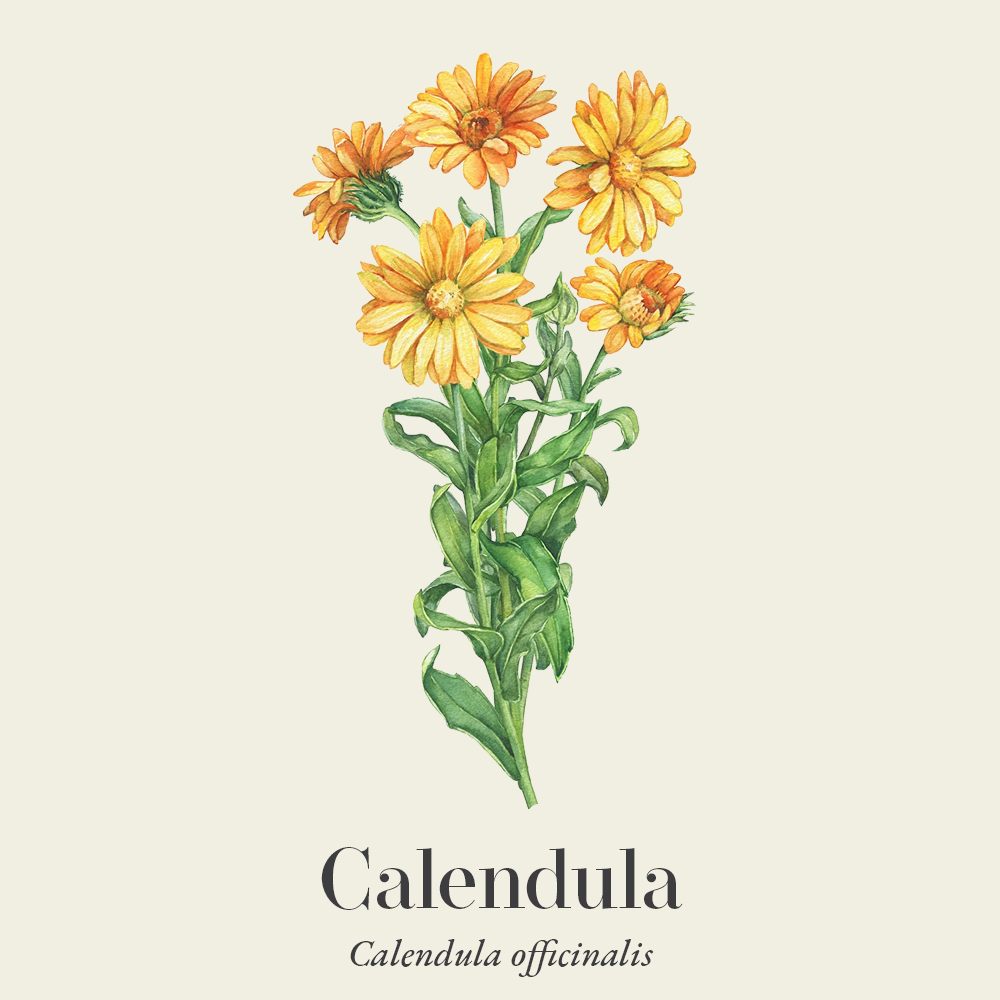
Calendula: The Golden Flower for Skin, Healing & Gentle Wellness
Calendula is one of those herbs that I think deserves a permanent spot in the home herbal cabinet—especially if you have kids.
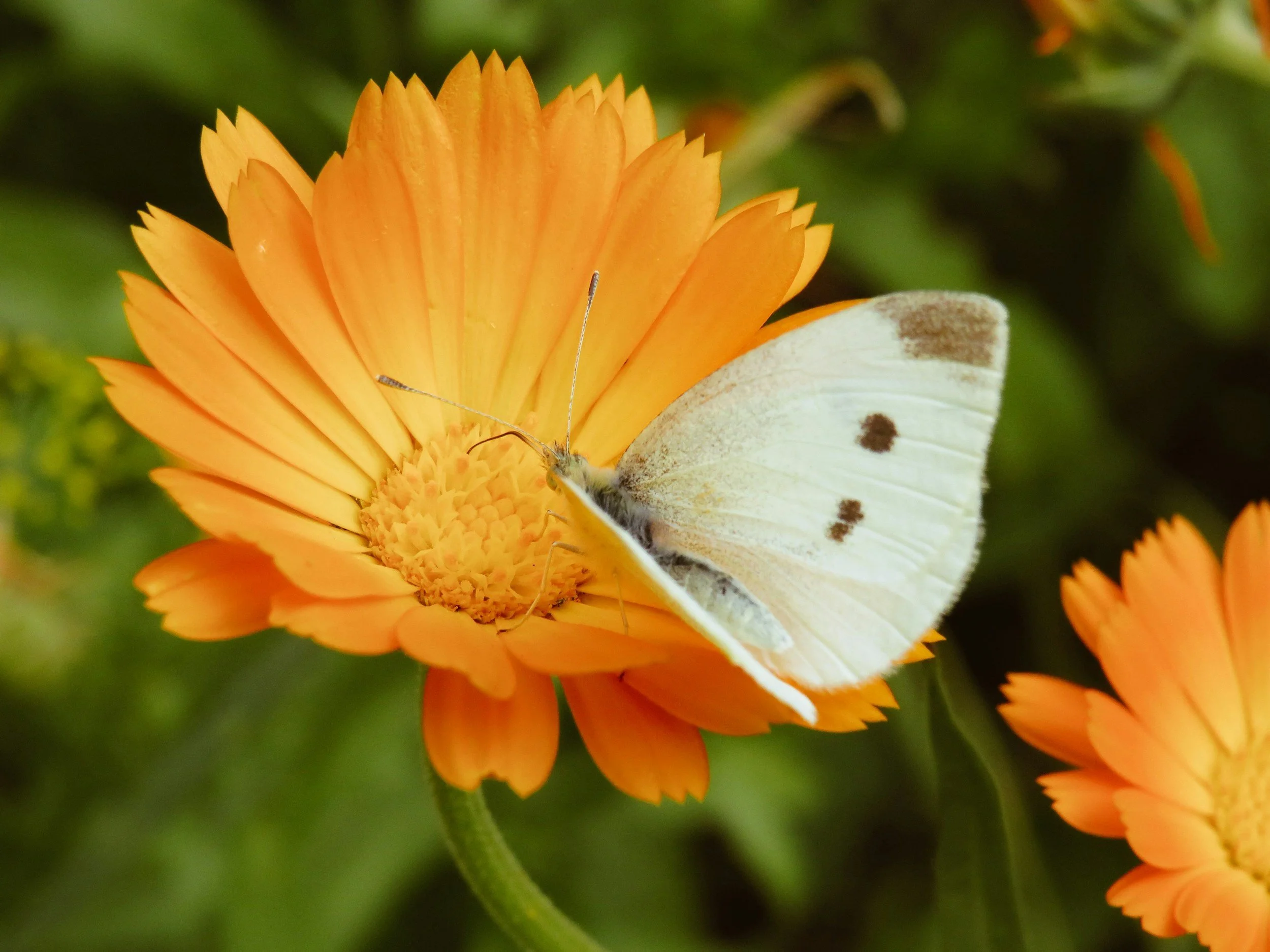
Those beautiful golden-orange flowers are much more than something pretty growing in the garden. Calendula has been traditionally used for generations to support skin healing, irritated tissues, the digestive system, and the body's natural inflammatory response. It is gentle, versatile, and one of my favorite herbs for family wellness.
What Is Calendula?
Scientific name: Calendula officinalis
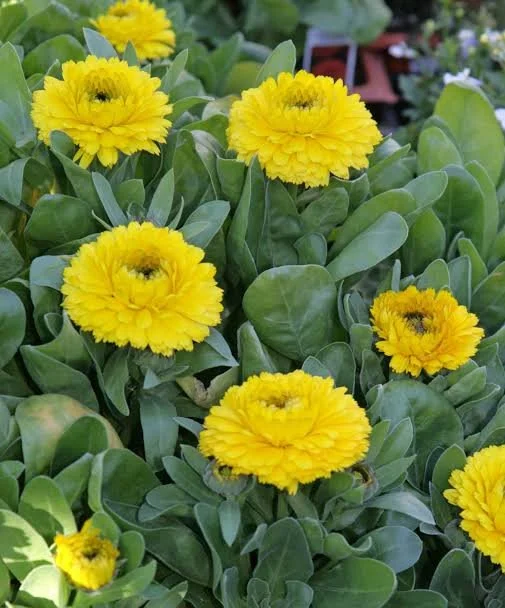
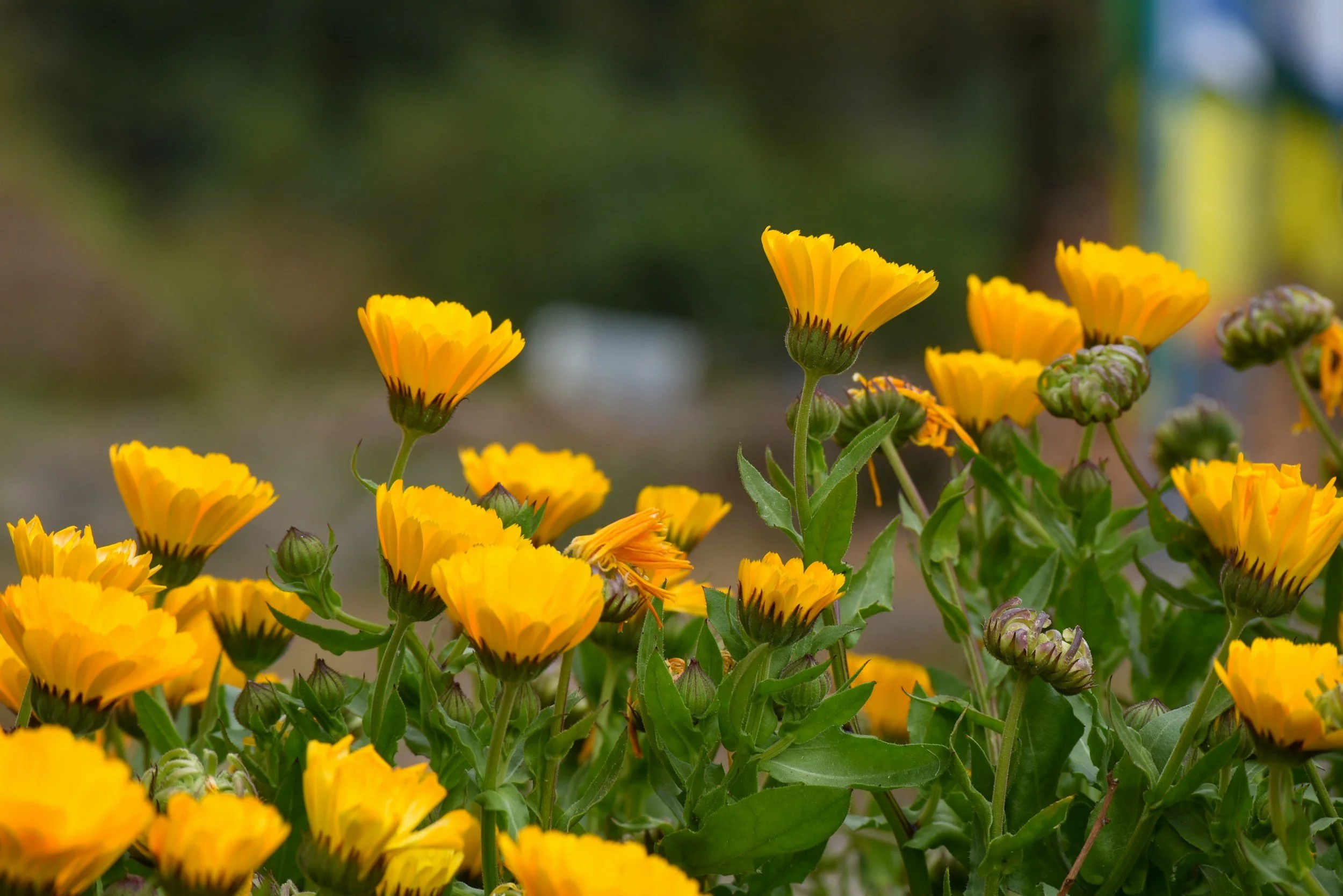
Calendula, sometimes called pot marigold, is a bright yellow-to-orange flowering herb native to the Mediterranean region. It loves sunshine and well-drained soil and is actually fairly easy to grow in a home garden.
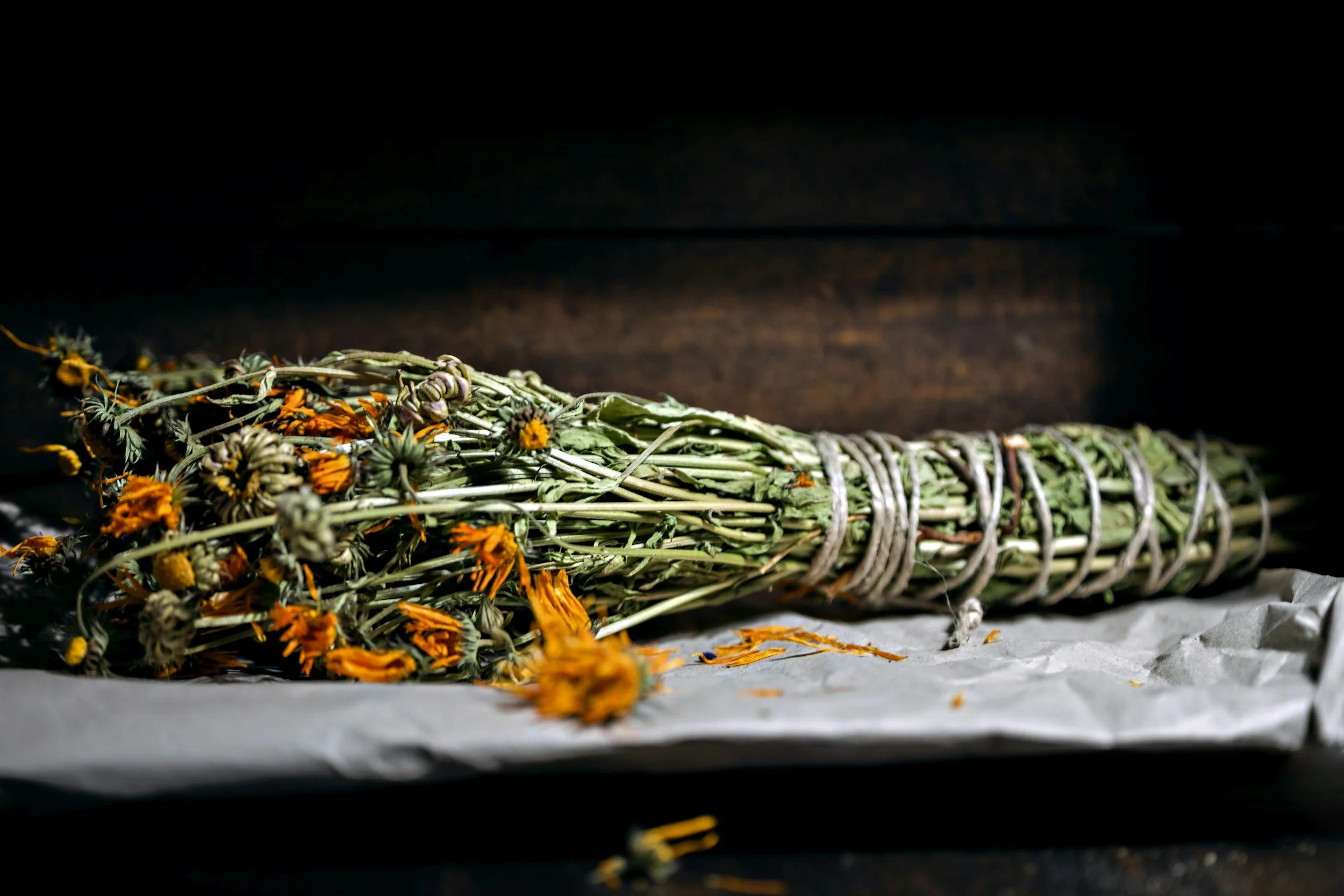
The flower heads and petals are typically harvested when they're fully open and can be used fresh or dried for teas, infused oils, salves, tinctures, compresses, and other herbal preparations.
Calendula contains naturally occurring plant compounds including flavonoids, triterpenoids, carotenoids, and other antioxidants, which help explain many of its traditional uses.
Calendula for Skin Support
This is probably what calendula is best known for—and for good reason.
Calendula has traditionally been used to support the skin's natural healing process and calm irritated or inflamed tissue. You'll find it in everything from baby products to herbal first-aid salves.
Calendula is actually one of the herbs we always include in our Prana Healing Salve and Prana Diaper Salve. I love it as a foundational ingredient in both because of how gentle, soothing, and versatile it is for irritated or sensitive skin—especially when we're making something intended for the whole family or for delicate baby skin.
I especially love calendula-infused products for things like:
Minor scrapes and superficial cuts
Dry, cracked, or irritated skin
Minor burns and sun-exposed skin
Diaper-area irritation
Chafing
Bug bites
Mild rashes and general skin irritation
Supporting healing skin
This is one of those herbs that makes a beautiful addition to a family's natural first-aid cabinet.
Calendula & the Digestive System
Calendula isn't only a skin herb.
Traditionally, calendula tea and tinctures have also been used to support irritated tissues throughout the digestive tract.
Its gentle, soothing properties may be helpful when the digestive system feels inflamed or irritated, and herbalists have historically used it as part of broader herbal blends designed to support the stomach and intestinal lining.
I love herbs like calendula because they remind us that the same soothing properties we see when an herb is used externally can sometimes translate beautifully to internal tissues as well.
Calendula & Lymphatic Support
Another traditional use of calendula that doesn't get talked about nearly enough is lymphatic support.
Herbalists have historically used calendula to gently support lymphatic movement, particularly when tissues feel swollen, congested, or irritated.
Because the lymphatic system plays such an important role in immune function and moving cellular waste through the body, calendula can be a lovely herb to pair with other gentle lymphatic practices like movement, hydration, massage, and dry brushing.
How to Use Calendula
One of my favorite things about calendula is how many different ways you can use it.
Calendula tea: Dried calendula flowers can be steeped in hot water alone or combined with other herbs for gentle digestive and tissue support.
Calendula-infused oil: Dried flowers can be infused into a carrier oil and used directly on the skin or as the base for homemade salves and balms.
Calendula salve: One of my absolute favorite ways to keep calendula around. Salves are easy to throw into a diaper bag, purse, bathroom cabinet, or natural first-aid kit.
Tinctures: Calendula can also be found in herbal tincture blends, particularly those formulated for digestive, immune, or lymphatic support.
Compresses and washes: Strong calendula tea can be cooled and used externally as an herbal wash or compress for irritated skin.
Growing & Harvesting Calendula
Calendula is a wonderful medicinal herb to grow at home.
It prefers full sun and well-drained soil, and the flowers can be harvested throughout the growing season.
Pick the flower heads when they're fully open and vibrant. Regular harvesting actually encourages the plant to continue producing more flowers.
The flowers can then be dried and stored for teas or infused into oils for use throughout the year.
There is something really special about growing a plant in your own backyard and then turning it into something you can use to care for your family.
Energetically
Calendula has a very soothing, nurturing, protective energy.
It's bright and sunny while also being incredibly gentle—almost like the herbal equivalent of wrapping irritated tissues in a warm blanket.
This makes it one of my favorite herbs when the body needs a little extra nurturing rather than something aggressive.
Safety & Precautions
Calendula is generally considered a gentle and well-tolerated herb when used appropriately.
People with known allergies to plants in the Asteraceae family, which includes ragweed, daisies, chrysanthemums, and similar plants, may be more likely to experience an allergic reaction.
As always, herbs can still have medicinal actions even when they're natural. Pregnancy, breastfeeding, medications, chronic health conditions, and use in very young children are all reasons to check with a knowledgeable healthcare provider or herbal practitioner before using concentrated herbal preparations.
A Simple Herb Worth Keeping Around
Calendula is exactly the kind of herb I love—simple, versatile, gentle, and useful for the entire family.
Grow it in the garden. Dry the flowers for tea. Infuse them into oil. Turn that oil into a salve and keep it in your natural first-aid kit.
Sometimes the most useful herbal remedies aren't complicated at all.
And calendula is a beautiful reminder that some of our best medicine can grow right outside our door.