

Mint
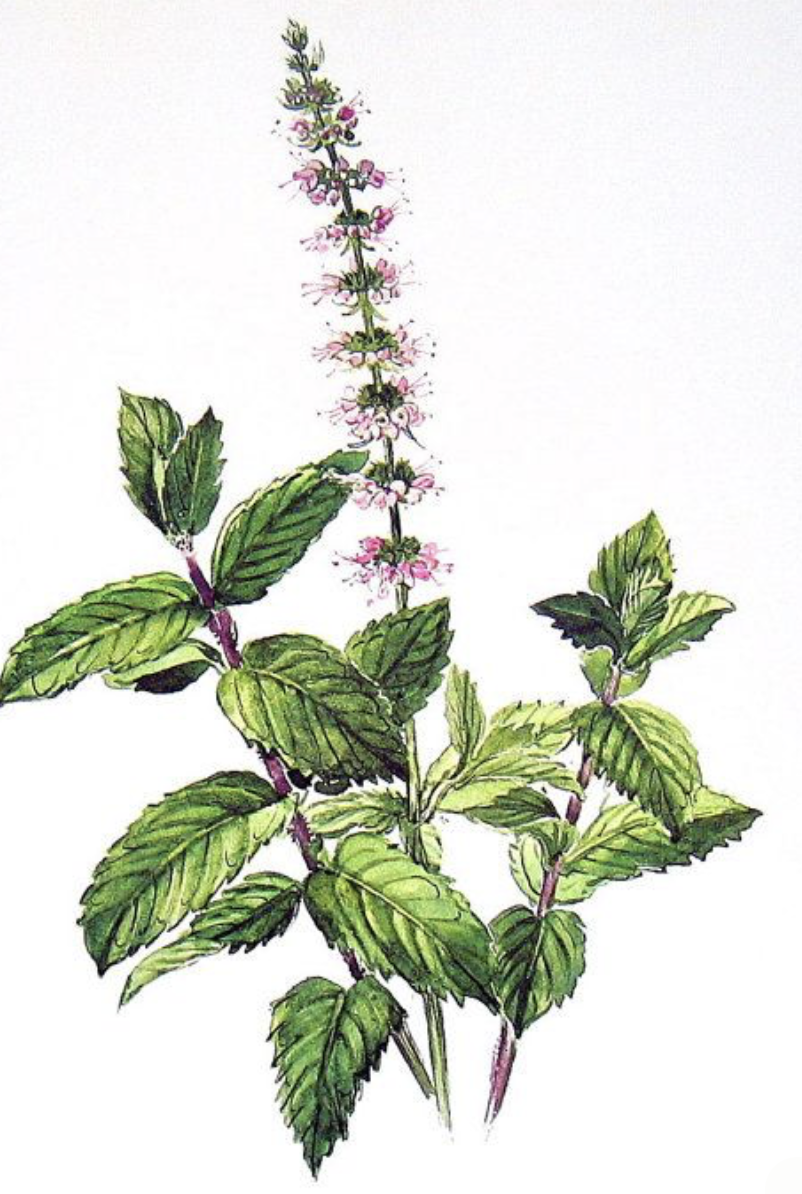
The Everyday Herb That Does So Much More Than Freshen Your Breath
Mint is one of those herbs that almost everyone knows.
That cool, refreshing flavor.
That unmistakable aroma.
The little sprig that ends up in your iced tea or on top of a dessert.
But mint is so much more than a garnish.
This incredibly easy-to-grow herb has been used for centuries as a digestive, cooling, soothing, and aromatic medicine—and it happens to be one of the easiest herbs to grow at home.
If you have ever planted mint, you also know that it doesn't exactly need much encouragement.
Give it a little sunshine, some water, and a place to grow, and it will happily take over the neighborhood.
And honestly? I don't mind.
I love having an abundance of mint around.
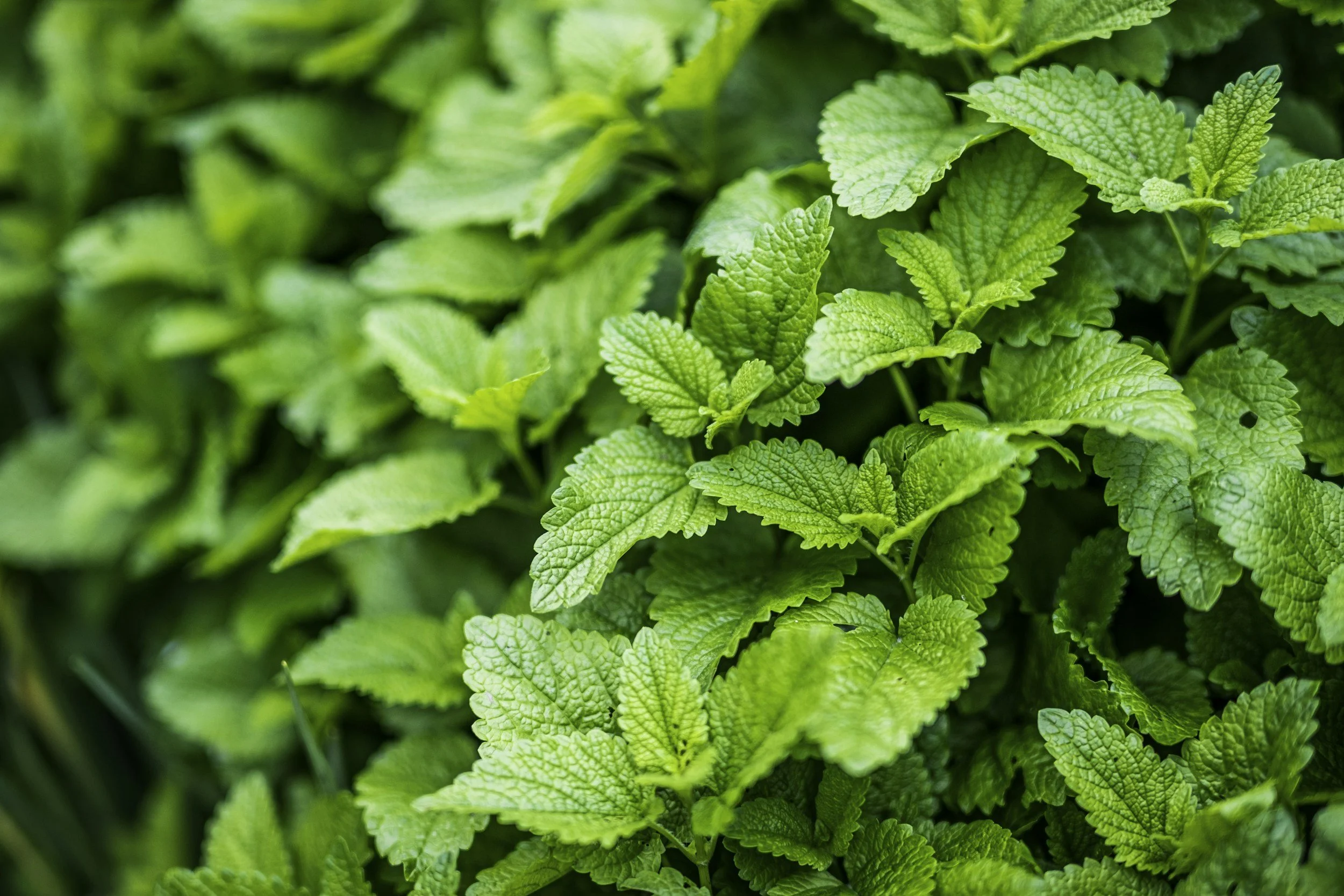
What is Mint?
There are many different plants within the mint family, but some of the most familiar include peppermint (Mentha × piperita) and spearmint (Mentha spicata).
While they have slightly different properties and flavors, both have a long history of traditional use.
Mint contains aromatic compounds—particularly menthol in peppermint—that are responsible for its characteristic cooling sensation.
And this is where mint gets really interesting.
That cooling sensation isn't just about flavor. The aromatic compounds in mint interact with sensory receptors in the body, which is part of why mint can feel so soothing and refreshing.
Mint for Digestion
One of my favorite reasons to use mint is for digestive support.
Mint has traditionally been used after meals to help support comfortable digestion and relieve occasional:
Gas
Bloating
Digestive cramping
Feelings of fullness
Nausea
Indigestion
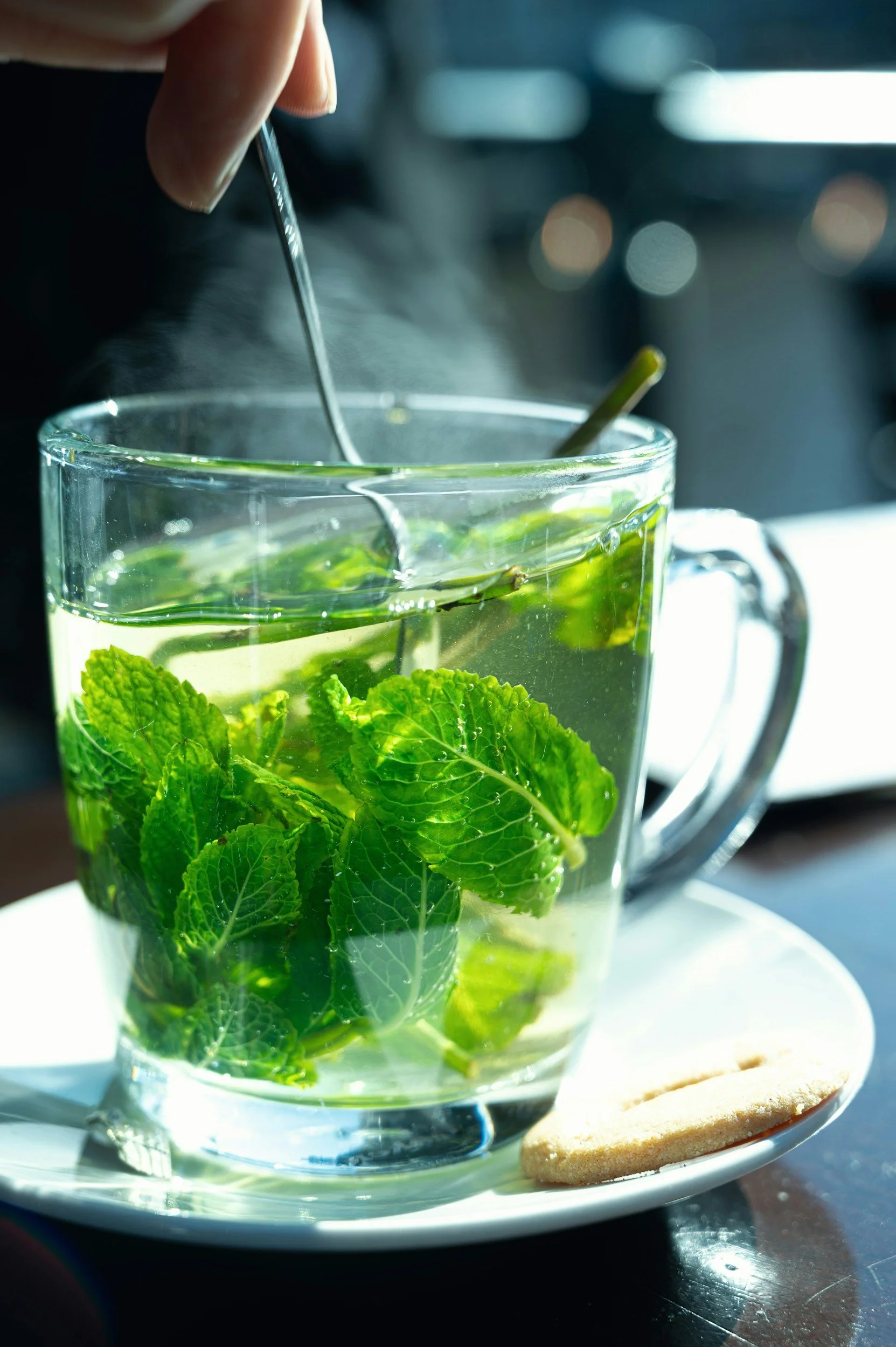
A warm cup of mint tea after a meal is one of the simplest herbal remedies around.
And sometimes simple really is best.
From a functional-medicine perspective, though, persistent bloating, reflux, nausea, or abdominal discomfort shouldn't simply be covered up with herbs.
Those symptoms can be clues.
We want to ask about digestive enzymes, stomach acid, bile flow, motility, microbiome balance, food sensitivities, constipation, stress, and blood sugar regulation.
Mint can provide soothing support—but we still want to understand the why behind chronic symptoms.
Mint & Nausea
Mint's cooling, aromatic qualities also make it a popular traditional herb for occasional nausea.
Sometimes even smelling peppermint can provide a refreshing sensation when the stomach feels unsettled.
Peppermint tea can be a lovely option, especially when nausea is accompanied by digestive discomfort.
Again, however, persistent or significant nausea deserves investigation rather than simply being suppressed.
Mint's Cooling Properties
There is a reason mint feels so cooling.
Menthol interacts with cold-sensitive receptors in the body, creating that familiar cooling sensation.
This makes mint particularly enjoyable during the warmer months.
Think:
Fresh mint + cold water + lemon + sunshine.
It's one of my favorite simple summer combinations.
You can also make a strong mint infusion, chill it, and keep it in the refrigerator for a refreshing herbal drink.
And unlike many complicated herbal preparations, this one is incredibly easy.
Mint & Respiratory Support
Mint's aromatic compounds can also make it a useful herb for respiratory comfort.
Peppermint's menthol creates a cooling sensation in the nasal passages and throat, which can make breathing feel more comfortable when you're congested.
Mint tea can also be soothing when the throat feels irritated.
One important distinction: that cooling sensation doesn't necessarily mean peppermint is physically "opening" the airways. It can simply make airflow feel easier because of how menthol interacts with sensory receptors.
I love herbs, but I also love being precise about what they are actually doing.
Mint for Head & Tension Support
Peppermint is also commonly used topically for head and neck discomfort.
Diluted peppermint essential oil applied appropriately to the temples, forehead, or neck can provide a cooling sensation that some people find soothing for occasional tension or headache.
But essential oils are highly concentrated.
They should never be applied undiluted, should not be placed near the eyes, and require extra caution around babies and young children.
A cup of mint tea is a very different preparation from a concentrated essential oil—and it's important not to treat them as interchangeable.
Mint & the Microbiome
Mint also contains a variety of plant compounds with antimicrobial activity.
This is one reason mint has traditionally been used in oral care and digestive preparations.
But when we're talking about antimicrobial herbs, I always want to emphasize something:
More antimicrobial isn't always better.
Our bodies are ecosystems.
We don't want to indiscriminately wipe out everything that lives in our gut, mouth, or skin. We want to support balance.
This is one of the reasons I love using herbs as part of a bigger functional-medicine approach rather than simply reaching for the strongest antimicrobial available.
Mint Tea: The Simplest Herbal Remedy
One of my favorite ways to use mint is simply as a tea.
Fresh Mint Tea
You'll need:
A handful of fresh mint leaves
Hot water
Place the fresh mint leaves into a mug or teapot and pour hot water over them.
Cover and allow them to steep for approximately 5–10 minutes.
Strain and enjoy warm, or allow the tea to cool and serve over ice.
You can add:
Lemon
Fresh ginger
Raw honey
A little cinnamon
For a summer version, I love combining fresh mint with lemon and keeping a pitcher chilled in the refrigerator.
Mint & Honey
Another simple way to enjoy mint is with honey.
A strong mint infusion can be combined with honey to create a soothing herbal drink or syrup-like preparation.
Honey itself has its own traditional history of use for soothing the throat and supporting cough comfort, making the combination particularly lovely during cold and flu season.
Remember: honey should never be given to children under 12 months of age.
Growing Mint at Home
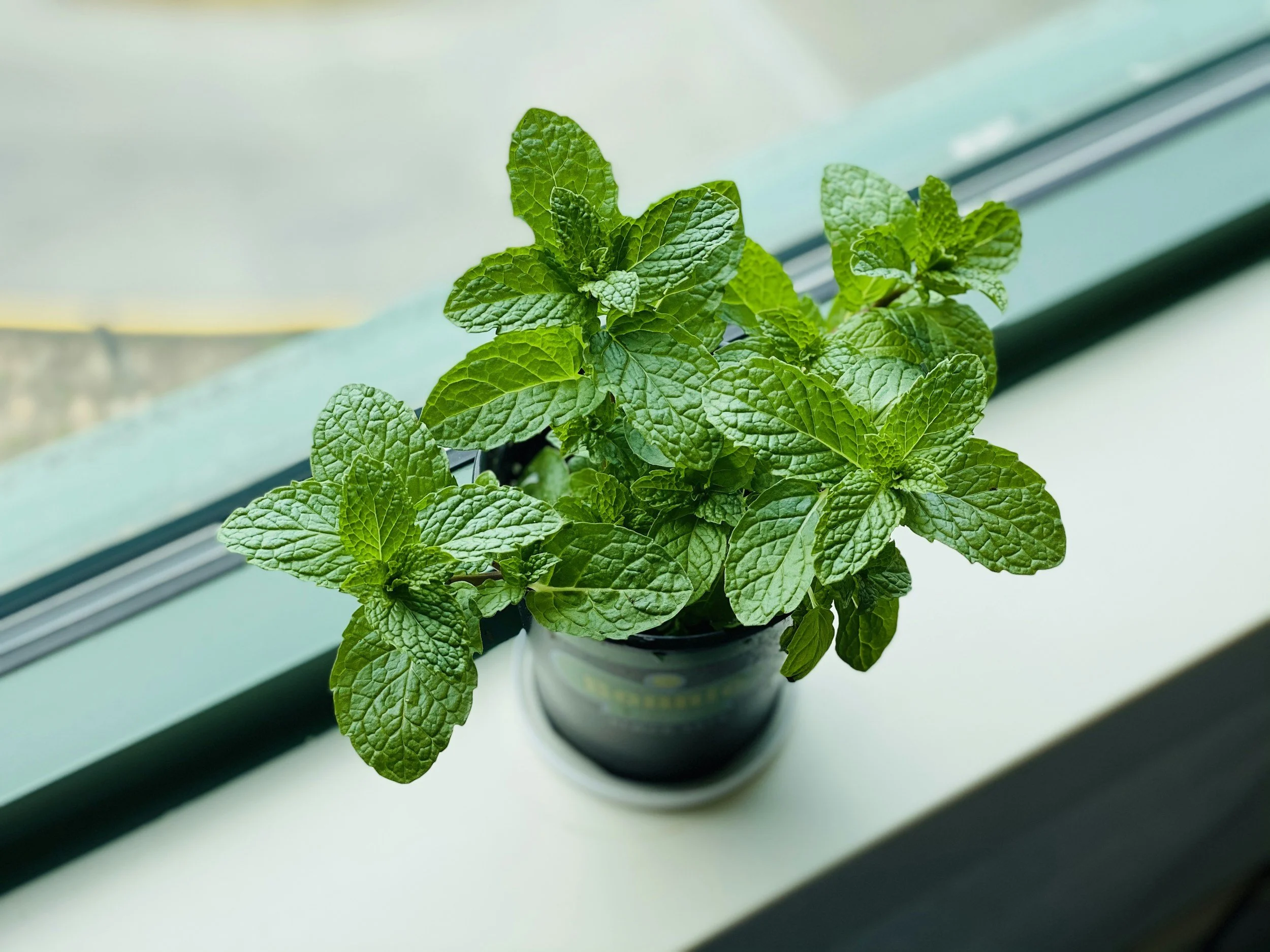
If you want to start growing herbs, mint is one of the easiest places to begin.
Possibly too easy.
Mint spreads aggressively through underground runners, so if you don't want a mint takeover, consider growing it in a container.
Harvest the leaves regularly to encourage fresh growth.
And don't be afraid to harvest more than you think you'll use.
You can dry mint for tea, make fresh infusions, add it to recipes, freeze the leaves into ice cubes, or simply keep a jar of fresh mint in the kitchen for easy access.
Spearmint vs. Peppermint
While these are often lumped together, they aren't exactly the same herb.
Spearmint tends to have a sweeter, milder flavor and is wonderful for culinary use, teas, and everyday digestive support.
Peppermint contains more menthol and has that stronger cooling sensation most people associate with mint.
Both can have a place in your herbal medicine cabinet.
A Little Caution With Mint
Mint is generally well tolerated in food and tea for most people, but there are situations where a little more caution is appropriate.
Peppermint may aggravate reflux or heartburn in some people because it can relax the lower esophageal sphincter.
Concentrated peppermint essential oil also isn't appropriate for everyone, especially infants and very young children.
As with any herb, consider the individual, the preparation, the dose, and the reason you're using it.
Make Mint Part of Your Everyday Herbal Routine
One of the things I love most about mint is that it doesn't feel like medicine.
It's just part of life.
It's growing in the garden.
It's in your tea.
It's in your water.
It's in your food.
And yet, this humble little plant has a long history of supporting digestion, providing cooling comfort, soothing irritated tissues, and adding a beautiful burst of flavor to everyday life.
You don't need a giant apothecary to start using herbs.
Sometimes you just need a little patch of mint in the garden.
And maybe a little restraint so it doesn't take over the whole thing.
Grow it. Harvest it. Drink it. Enjoy it.
That's herbal medicine at its simplest—and one of my favorite ways to bring the wisdom of plants into everyday wellness.