

Mullein
Mullein: The Gentle Herb for Lungs, Ears & More
There are some herbs that seem to grow exactly where we need them.
Mullein is one of those herbs.
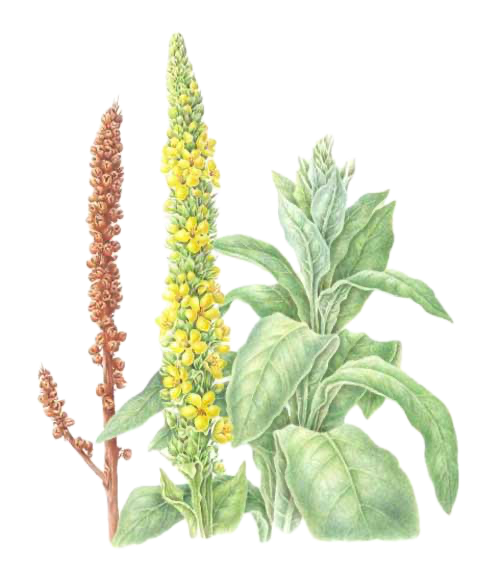
You may have seen it growing along roadsides, fields, pastures, and disturbed areas. Its tall stalks and soft, fuzzy leaves make it easy to recognize once you know what you're looking for. And while it may look like a simple wild plant, mullein has a long history of traditional use—particularly for supporting the respiratory system.
This is one of those herbs I love having on hand in an herbal medicine cabinet, especially during cold and flu season.
What is Mullein?
Mullein, most commonly referring to Verbascum thapsus, is a flowering plant traditionally used in herbal medicine for respiratory, ear, and inflammatory support.
The leaves and flowers are the parts most commonly used.
One of the most interesting things about mullein is the texture of its leaves. They are incredibly soft and fuzzy, almost like nature's little piece of felt. Those tiny hairs are part of why mullein has traditionally been valued as a soothing herb for irritated tissues.
Mullein is generally considered a gentle herb, which makes it especially interesting for families looking for supportive herbs that aren't overly stimulating or harsh.
Mullein & Respiratory Health
This is where mullein really shines.
Traditionally, mullein has been used to support the respiratory tract during times of coughing, congestion, and irritation.
Mullein is often described as an expectorant and demulcent herb. In simple terms, that means it can help support the body's natural ability to move mucus while also providing a soothing quality to irritated tissues.
This makes mullein a wonderful herb to reach for when the respiratory tract feels dry, scratchy, congested, or irritated.
It may be especially helpful as part of a broader herbal approach to:
Coughing
Chest congestion
Mucus
Throat irritation
Respiratory tract irritation
Seasonal respiratory discomfort
One important distinction: herbs like mullein don't "stop" a cough in the way a pharmaceutical cough suppressant does. Instead, the goal is often to support the body's natural respiratory clearance mechanisms while soothing irritated tissues.
And from a functional-medicine perspective, I always want to ask why someone is coughing or congested rather than simply trying to suppress the symptom.
Supporting hydration, mucus clearance, immune function, sleep, and the body's inflammatory response can all be part of the bigger picture.

Mullein for the Ears
Mullein also has a fascinating history of traditional use for ear support.
Mullein flowers are often infused into oil and used traditionally in herbal ear preparations.
You'll often see mullein combined with other herbs such as garlic or calendula in traditional ear oils.
The important caveat here is that ear pain isn't always simply an "ear infection." Ear discomfort can have many causes, including congestion, inflammation, pressure, fluid, or infection.
And herbal ear oils should never be placed into an ear if there is a known or suspected perforated eardrum, ear tubes, drainage of unknown origin, or other ear injury unless specifically directed by a qualified healthcare professional.
My Favorite Mullein Preparation
One of my favorite ways to use mullein is DesBio's Mullein Complex.
I love having this on hand because it takes the work out of creating an herbal preparation from scratch while still giving us a targeted mullein-based herbal formula.
It's one of the preparations I commonly think about when I'm looking for additional herbal respiratory support, particularly when someone is dealing with congestion or respiratory irritation.
As always, the appropriate product and dosing depend on the individual, age, health history, and what else they may be taking.
Mullein Tea
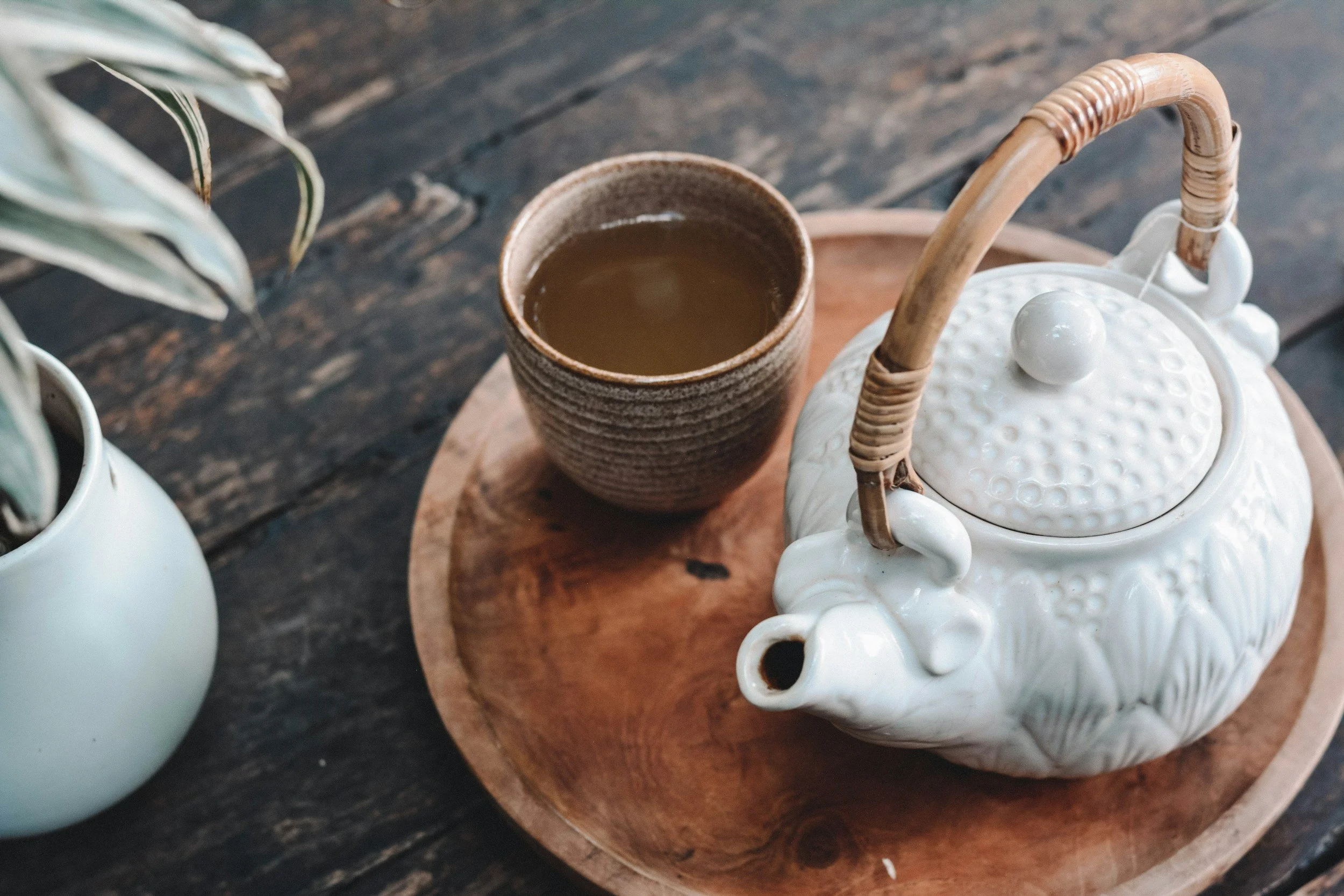
Mullein can also be prepared as a tea.
The leaves can be steeped in hot water and allowed to infuse before drinking.
There is one very important trick when making mullein tea:
Strain it really well!
Those tiny hairs on the leaves can be irritating to the throat if they're left floating around in your tea. I recommend using a very fine-mesh strainer, cheesecloth, or even filtering the tea more than once.
This is one of those little herbalist tips that makes a big difference!
Mullein & Mucus
One of the reasons I like thinking about mullein through a functional-medicine lens is that mucus itself isn't necessarily the enemy.
Mucus is part of our body's natural defense system. It helps trap particles, pathogens, and irritants and plays an important role in protecting our respiratory tissues.
The goal isn't always to eliminate mucus.
Instead, we want to support healthy mucus production and clearance.
That means thinking about things like:
Adequate hydration
Humidity and moist air
Nasal and sinus drainage
Gentle movement
Sleep
Nutrient status
Immune support
Reducing environmental irritants
Supporting the body's inflammatory response
Mullein can be one piece of that larger picture.
Growing Mullein
If you're an herbal gardener—or a wild-foraging family—mullein is a fun plant to get to know.
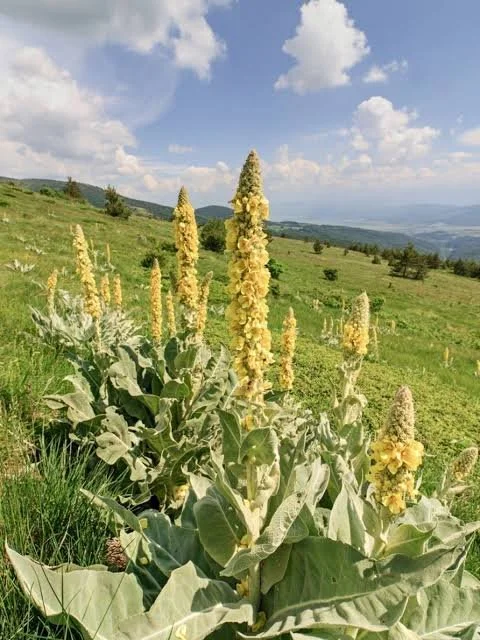
It often grows in sunny, disturbed areas and can be found throughout much of North America.
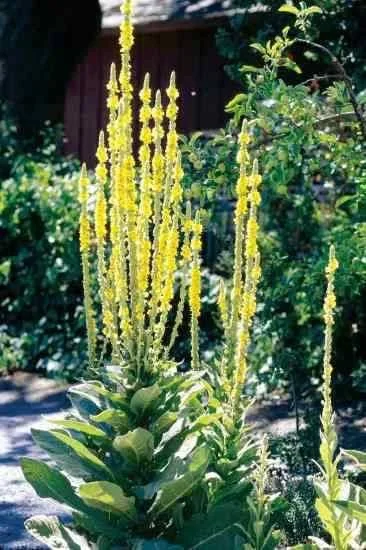
The first-year plant typically forms a beautiful rosette of fuzzy leaves close to the ground. In its second year, it sends up a tall flowering stalk that can tower several feet above the ground.
The yellow flowers are particularly beautiful.
As with any wild herb, make sure you are 100% certain of identification before harvesting and avoid plants growing in areas that may have been treated with pesticides, herbicides, or contaminated by road runoff.
A Few Things to Remember
Mullein is generally considered a gentle herb, but "natural" doesn't automatically mean appropriate for everyone.
Pregnancy, breastfeeding, medications, allergies, chronic medical conditions, and use in young children can all change what is appropriate.
And when we're talking about respiratory symptoms, herbs should complement—not replace—appropriate medical evaluation.
Seek medical care for things like difficulty breathing, blue or gray lips, severe or worsening chest pain, coughing up blood, significant dehydration, or respiratory symptoms that are severe or not improving.
Bringing Mullein Into Your Herbal Medicine Cabinet
Mullein is a beautiful example of why I love herbal medicine.
Sometimes the most helpful plants aren't exotic or difficult to find.
They're growing quietly along the edge of a field.
Mullein reminds us that plants can offer gentle support to the body's own healing processes—soothing, supporting clearance, and giving the body a little extra help when it needs it.
Whether you're sipping a carefully strained cup of mullein tea, keeping an herbal preparation like DesBio's Mullein Complex in your natural medicine cabinet, or simply learning to recognize this beautiful plant growing around you, mullein is one herb worth getting to know.
Nature really does provide some incredible medicine.