A Warming Herb for Digestion, Circulation & Metabolic Wellness
Cinnamon: More Than Just a Kitchen Spice
Cinnamon is one of the most recognizable spices in the world, known for its comforting aroma, naturally sweet flavor, and warming properties.
But beyond its familiar place in baked goods, teas, and seasonal recipes, cinnamon has a long history of use in traditional herbal medicine.
For centuries, cinnamon has been valued for supporting digestive comfort, circulation, and overall vitality. More recently, researchers have explored its potential influence on blood sugar regulation, insulin sensitivity, and metabolic health.
At Prana Mama Wellness, we love herbs that can easily be incorporated into everyday life, and cinnamon is a wonderful example of how food and traditional herbal practices can overlap.
Getting to Know Cinnamon
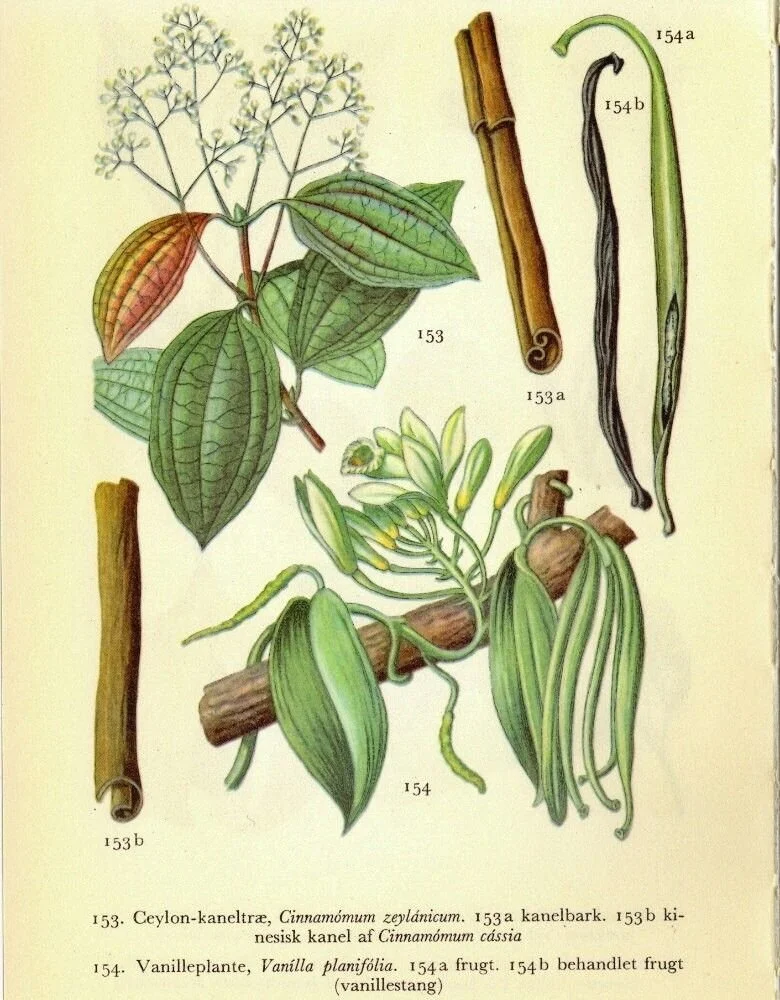
Scientific Name: Cinnamomum verum (Ceylon or true cinnamon)
Where It Grows: Cinnamon is native to Sri Lanka and parts of southern India, with cultivation extending throughout tropical regions of Asia.
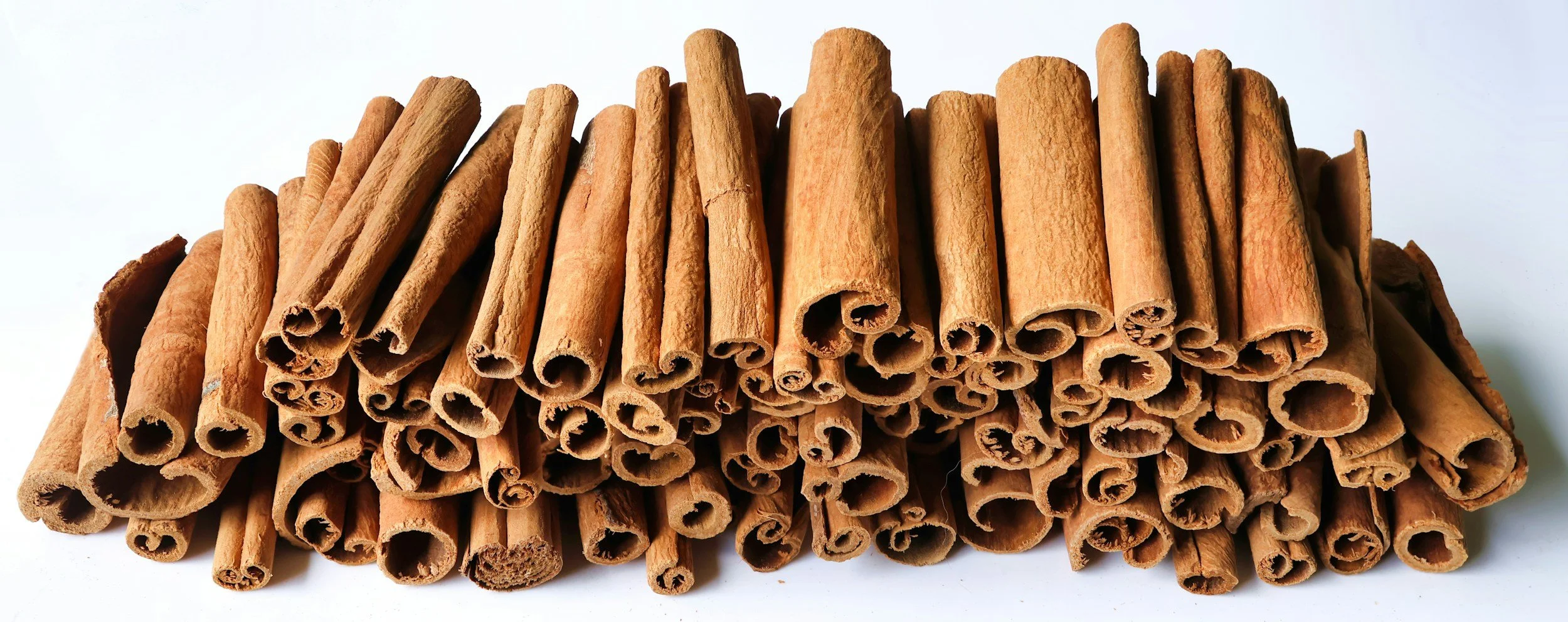
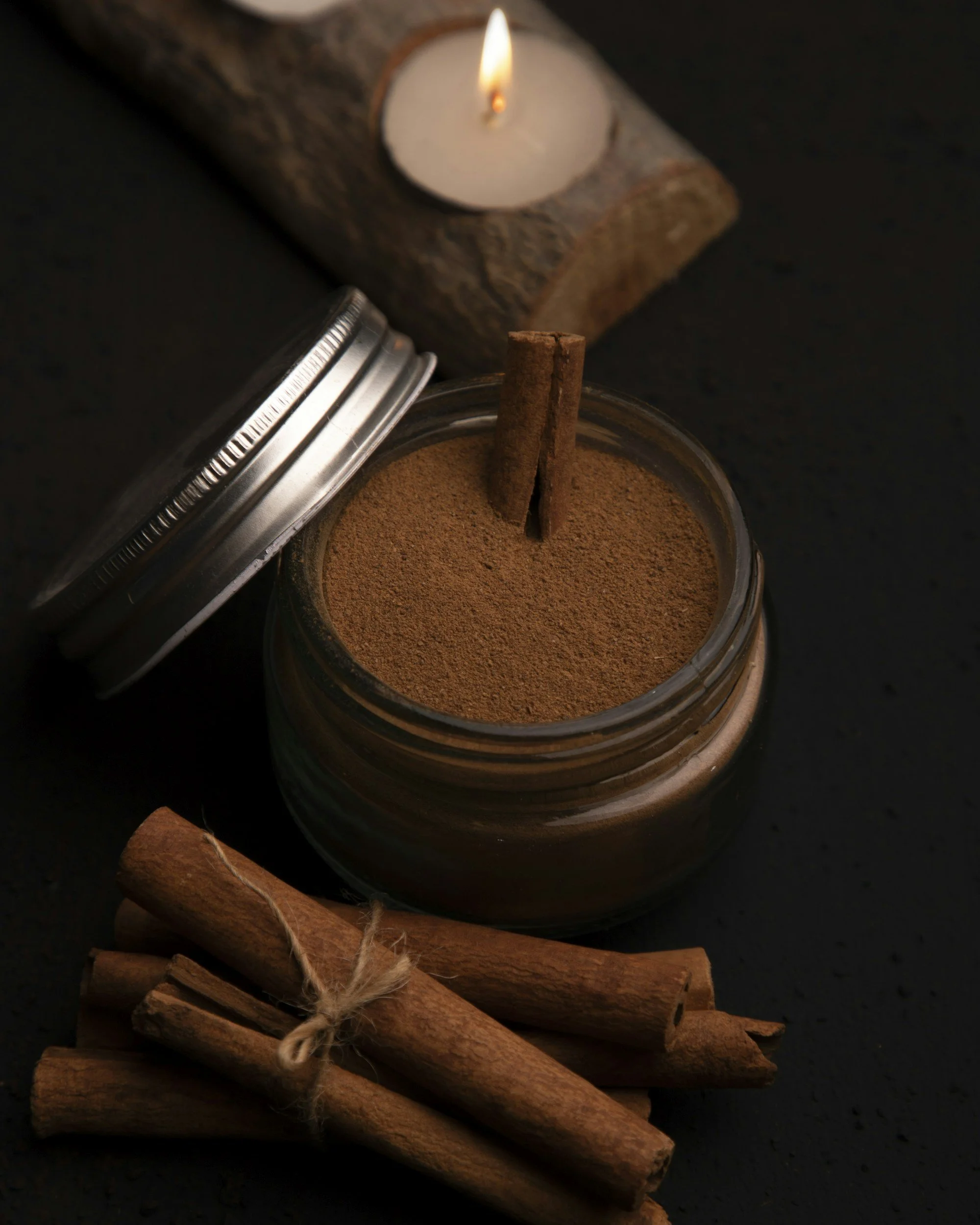
Harvesting: Cinnamon comes from the inner bark of cinnamon trees. The bark is carefully removed, dried, and naturally curls into the familiar cinnamon sticks, also called quills.
Cinnamon contains several naturally occurring bioactive compounds, including cinnamaldehyde, polyphenols, and other aromatic plant constituents.
These compounds contribute to cinnamon's characteristic fragrance and have attracted scientific interest for their potential antioxidant and metabolic effects.
Traditional Uses & Potential Benefits of Cinnamon
1. Blood Sugar Balance & Insulin Sensitivity
One of the most researched potential benefits of cinnamon is its relationship with glucose metabolism.
Some clinical studies suggest cinnamon supplementation may modestly improve fasting blood glucose or certain markers of insulin resistance, particularly in individuals with type 2 diabetes or metabolic dysfunction.
Researchers have investigated whether cinnamon compounds influence:
Insulin signaling pathways
Cellular glucose uptake
Post-meal blood sugar responses
Oxidative stress associated with metabolic dysfunction
However, results across studies are inconsistent, and cinnamon has not been established as a reliable treatment for diabetes.
From a functional medicine perspective, cinnamon can be an enjoyable addition to a balanced nutritional approach that emphasizes protein, fiber, movement, and metabolic health.
2. Digestive Comfort
Cinnamon has traditionally been used as a warming digestive herb.
In herbal traditions, it is often incorporated into teas and digestive formulas to support comfort following meals.
Traditional applications include:
Occasional bloating
Feelings of digestive sluggishness
Gas and abdominal discomfort
General digestive support
Although these uses have a long history, high-quality human research confirming cinnamon's effectiveness for digestive symptoms remains limited.
3. Circulation & Warming Support
In traditional herbal medicine, cinnamon is considered a warming and stimulating botanical.
It has historically been used in formulas intended to promote a sense of warmth and vitality, particularly during colder months.
Some laboratory studies have investigated cinnamon's effects on vascular function and inflammation, but these findings do not establish that consuming cinnamon improves circulation in humans.
4. Antioxidant & Inflammatory Support
Cinnamon contains polyphenols and other plant compounds with antioxidant activity.
Laboratory and preliminary clinical research suggests cinnamon may influence oxidative stress and certain inflammatory pathways.
Because chronic oxidative stress and inflammation are involved in numerous metabolic processes, cinnamon has become an area of interest in nutritional research.
However, antioxidant activity demonstrated in a laboratory does not necessarily translate into meaningful clinical benefits from everyday cinnamon consumption.
5. Women's Metabolic & Hormonal Wellness
Cinnamon has also been studied in women with polycystic ovary syndrome (PCOS).
Small clinical trials have explored its potential effects on insulin resistance, menstrual cycle regularity, and metabolic markers.
While some findings are promising, the available evidence is not strong enough to recommend cinnamon as a primary treatment for PCOS or hormonal imbalances.
It may, however, be a flavorful component of a broader nutrition and lifestyle plan focused on metabolic wellness.

Energetic & Holistic Properties
In traditional herbal energetics, cinnamon is often described as:
Warming: Associated with internal warmth, comfort, and nourishment.
Stimulating: Traditionally used to encourage energy and movement.
Balancing: Incorporated into herbal formulas intended to support digestive harmony.
Invigorating: Associated with vitality and restoration, particularly during colder seasons.
These energetic descriptions reflect traditional systems of herbal medicine rather than established clinical effects.
How to Incorporate Cinnamon Into Your Wellness Routine
One of cinnamon's greatest advantages is how easily it can be included in everyday meals and beverages.
Some of our favorite ways to enjoy cinnamon include:
Sprinkling it over oatmeal, yogurt, or chia pudding
Adding it to smoothies or protein shakes
Brewing cinnamon sticks into warming herbal teas
Mixing it into coffee or homemade chai
Adding it to roasted apples, pears, or sweet potatoes
Combining it with ginger and other warming spices in seasonal recipes
Cinnamon pairs beautifully with other culinary herbs and spices, including ginger, cardamom, cloves, and nutmeg.
For regular culinary use, Ceylon cinnamon is often a preferred option because it naturally contains much lower levels of coumarin than cassia cinnamon.
Ceylon vs. Cassia Cinnamon: What's the Difference?
Not all cinnamon is created equal.
Ceylon Cinnamon (Cinnamomum verum)
Often called true cinnamon, Ceylon cinnamon has a lighter, more delicate flavor and contains relatively low amounts of coumarin.
Cassia Cinnamon (Cinnamomum cassia and related species)
Cassia has a stronger, spicier flavor and generally contains substantially higher concentrations of coumarin, which can pose liver-related risks with excessive long-term consumption.
Both varieties can be used in cooking, but Ceylon is often a practical choice for individuals who consume cinnamon regularly.
Precautions & Safety Considerations
Cinnamon is generally considered safe when consumed in typical culinary amounts, but concentrated extracts and high-dose supplements require additional consideration.
Liver health: Cassia cinnamon contains coumarin, which can contribute to liver toxicity with excessive long-term intake.
Blood sugar medications: Cinnamon supplements may have additive glucose-lowering effects and should be discussed with a healthcare provider.
Pregnancy and breastfeeding: Culinary amounts are generally acceptable, but medicinal doses and concentrated extracts should be avoided unless approved by a qualified healthcare professional.
Digestive irritation: Large amounts may irritate the mouth or gastrointestinal tract.
Essential oil safety: Cinnamon essential oil is highly concentrated and may cause skin burns or irritation if used improperly. It should not be ingested without appropriate professional oversight.
Final Thoughts
Cinnamon is a beautiful example of how traditional herbal wisdom and modern nutritional science can intersect.
From its warming aroma and digestive traditions to ongoing research into blood sugar regulation and metabolic wellness, cinnamon offers much more to explore than its role as a kitchen spice.
While it should not replace medical treatment or foundational nutrition and lifestyle practices, cinnamon can be a flavorful and enjoyable part of a holistic wellness routine.
At Prana Mama Wellness, we believe that some of the most approachable wellness practices begin with simple, everyday ingredients.
Sometimes supporting a nourishing lifestyle starts with something as simple as adding a little cinnamon to your morning routine.
Disclaimer: This article is for educational purposes only and is not intended to diagnose, treat, or replace individualized medical care.