

Lemon Balm
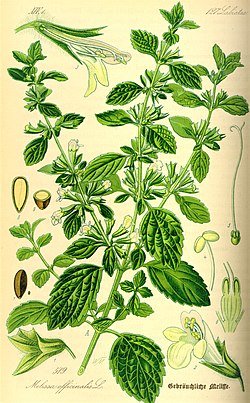
The Calm in the Garden
Lemon balm is one of those herbs that feels like a deep exhale.
Soft, lemon-scented leaves. A gentle spreading habit in the garden. And a long history of use for calming the nervous system, supporting digestion, and bringing the body back into balance.
It’s the kind of plant herbalists describe as immediately comforting — both in aroma and effect.
Botanical Information
Common Names:
Lemon Balm
Balm Mint
Bee Balm (not to be confused with Monarda)
Sweet Balm
Scientific Name:
Melissa officinalis
Family: Lamiaceae (mint family)
A Plant of Calm and Clarity
Lemon balm is a perennial herb in the mint family and has been used for centuries in European herbal traditions.
Its bright citrus scent comes from natural volatile oils that are often associated with calming effects on the nervous system and uplifting the mood.
It’s also a favorite plant for gardens because bees absolutely love it — in fact, the genus Melissa comes from the Greek word for “honey bee.”
Traditional Herbal Uses
Lemon balm is best known as a gentle nervous system and digestive herb.
Traditionally it has been used for:
Stress and nervous tension
Anxiety and restlessness
Sleep support
Mild mood imbalance
Digestive discomfort (especially stress-related)
Nervous stomach or “butterflies”
Head tension related to stress
Seasonal emotional support
It is often described as:
calming
uplifting
gently sedative
antispasmodic
carminative (digestive soothing)
Nervous System Support Herb
One of lemon balm’s most well-known roles in herbalism is as a nervous system ally.
It doesn’t sedate in a heavy way — instead, it helps take the edge off overstimulation. Many people describe it as:
“It quiets the noise without shutting me down.”
Because of this, it is often used during:
busy seasons of life
overstimulation
anxious thoughts
evening wind-down routines
Lemon Balm for Digestion
Lemon balm is also deeply connected to the gut-brain axis.
It has traditionally been used for:
stress-related digestive discomfort
bloating
cramping
nausea tied to anxiety
“nervous stomach” symptoms
Herbalists often pair it with:
chamomile
peppermint
fennel
ginger
for gentle digestive support blends.
Lemon Balm in Herbal Preparations
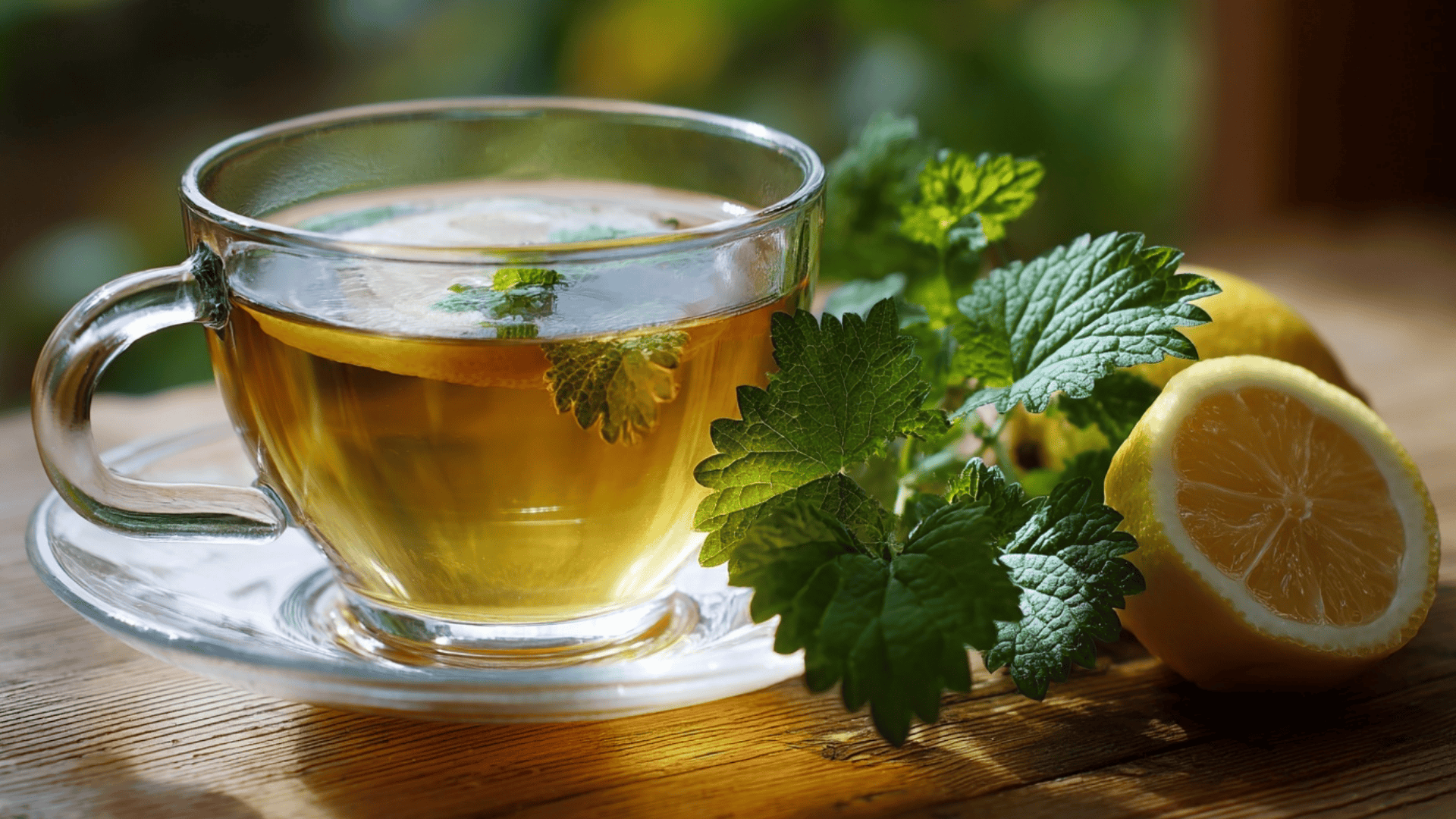
Lemon balm is incredibly versatile and can be used in many forms:
tea (fresh or dried leaf infusion)
glycerites (sweet, kid-friendly extracts)
tinctures
infused oils (gentle topical calming support)
baths and steams
syrups
It is especially popular in children’s herbal formulas because of its gentle nature and pleasant taste.
Lemon Balm in the Herbal World
Herbalists often refer to lemon balm as a “first-line calming herb” — something you reach for when the nervous system needs soft support rather than strong intervention.
It pairs well with:
Matricaria chamomilla
Avena sativa
lavender
passionflower
skullcap
Together, these herbs create some of the most well-loved calming blends in Western herbalism.

A Garden Reminder
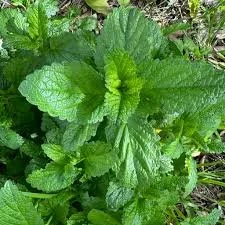
Lemon balm grows easily, sometimes a little too easily.
It spreads, self-seeds, and returns year after year — often in places you didn’t plan for it to be.
And yet, that feels fitting.
Because calming herbs often show up most where life is busiest.
Closing Thought
Lemon balm is a reminder that calm doesn’t always have to be strong or forceful.
Sometimes it’s soft.
Sometimes it smells like lemon and honey.
And sometimes it grows right outside your door, waiting for a moment you need it most.