Plantain
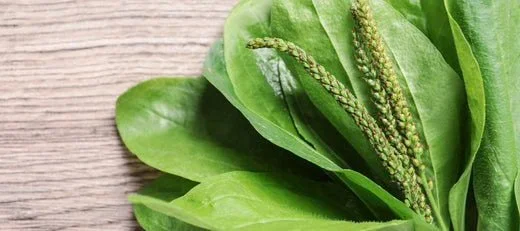
Nature’s Band-Aid Growing in Plain Sight
Most people walk right past it, pull it as a weed, or barely notice it in the yard.
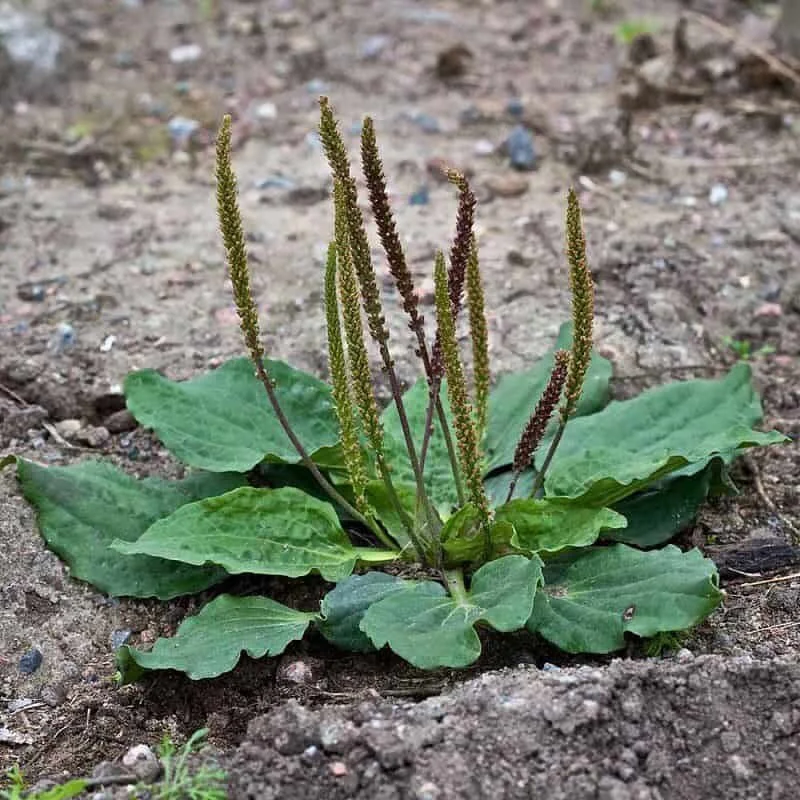
But plantain is one of those quiet herbal allies that shows up everywhere humans do — paths, lawns, garden edges, even sidewalk cracks — almost like it’s waiting to be needed.
It has earned a reputation in the herbal world as nature’s Band-Aid, and once you get to know it, it’s hard to unsee how useful it really is.
Botanical Information
Common Names:
Plantain
Broadleaf Plantain
Narrowleaf Plantain
Ribwort Plantain
White Man’s Footprint
Scientific Name:
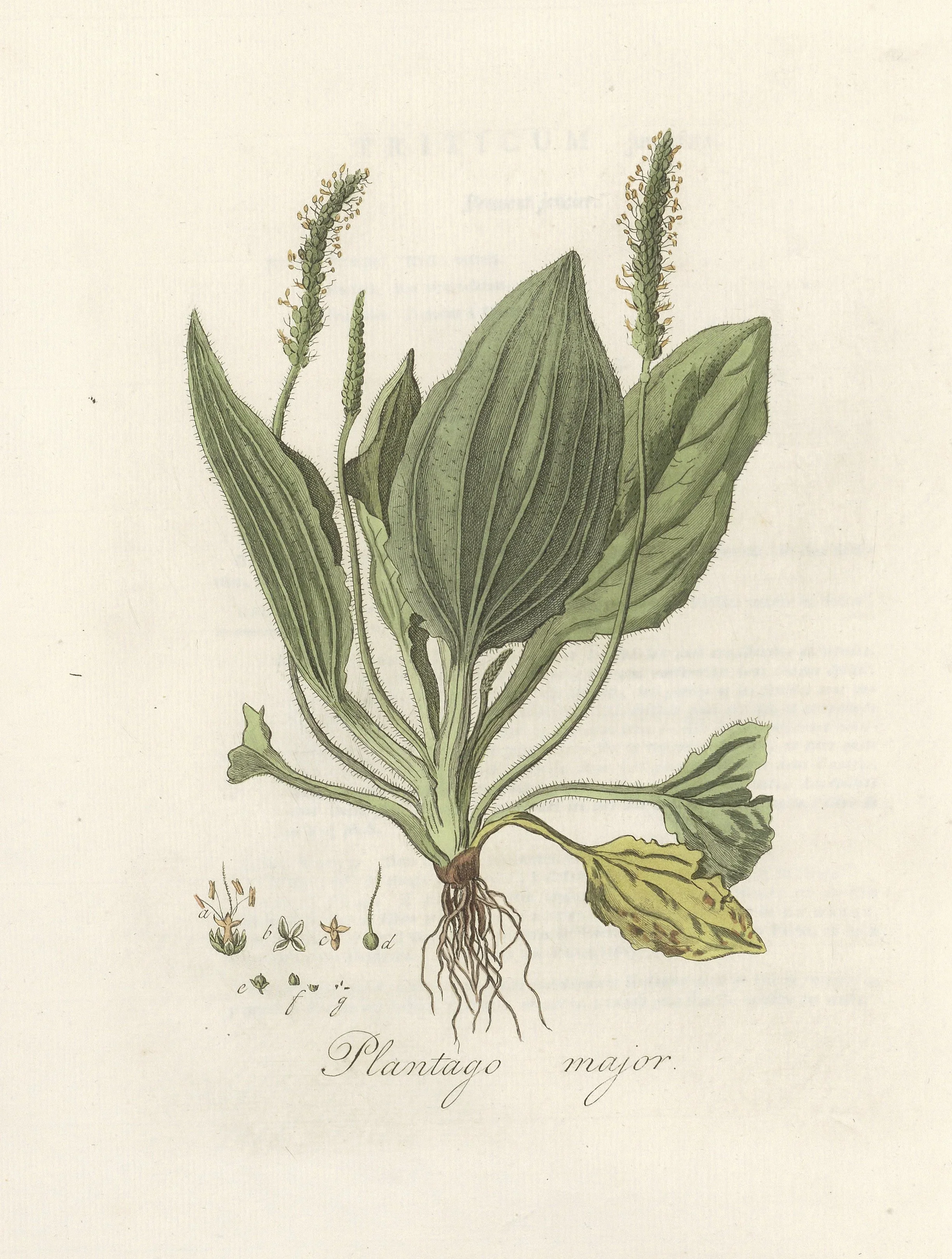
Plantago major
Plantago lanceolata
Family: Plantaginaceae
A Plant That Lives Where People Live
Plantain is considered a “cosmopolitan” plant, meaning it grows almost everywhere humans settle. Indigenous cultures across the world recognized its usefulness long before modern herbalism named it.
It is highly resilient, nutrient-dense, and incredibly skin-supportive — which is why it has remained a staple in traditional first aid for generations.
Traditional Herbal Uses
Plantain is most known for its topical, skin-focused actions.
Traditionally it has been used for:
Bug bites and stings
Minor cuts and scrapes
Splinters and embedded irritants
Rashes and itchy skin
Burns and hot skin
Poison ivy and plant irritations
Diaper rash and baby skin support
General wound and skin recovery support
Herbalists often describe plantain as:
cooling
soothing
drawing
tissue-supportive
Nature’s Band-Aid
If there is one thing plantain is famous for in folk herbalism, it’s this:
Fresh plantain = instant field first aid.
A fresh leaf can be:
crushed in the hand
chewed into a quick poultice
or mashed and applied directly to the skin
Then placed over:
bee stings
mosquito bites
nettle stings
small cuts
itchy patches
It’s one of those simple, old-world remedies that feels almost too easy to be real — until you try it.
Plantain in Herbal Preparations
Plantain really shines when it’s carried into everyday home remedies.
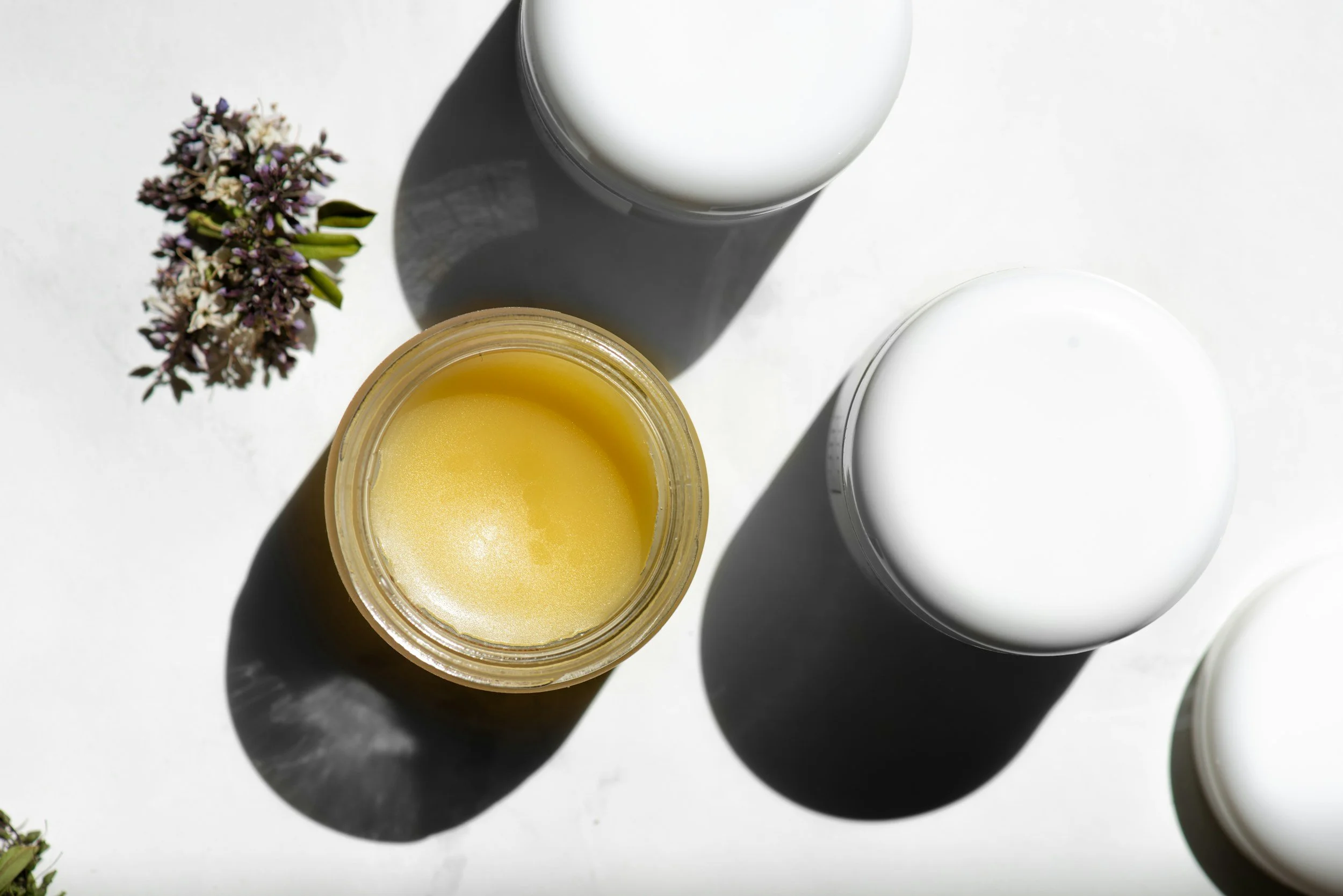
One of the most common ways to use it is in infused oil, which becomes the base for salves.
I especially love plantain in:
diaper salve
healing salves
all-purpose “boo-boo” balms
bite and sting salves
When infused into oil, plantain blends beautifully with:
calendula
comfrey
yarrow
chamomile
lavender
These combinations create deeply soothing skin support formulas that feel like a household staple.
Why Herbalists Keep Coming Back to It
Plantain is one of those herbs that doesn’t try to be dramatic — it just works.
It’s:
easy to identify
safe for most people (topically)
abundant almost everywhere
gentle enough for children’s remedies
versatile in both fresh and dried form
And perhaps most importantly, it reconnects people to the idea that medicine doesn’t always come in a bottle — sometimes it grows in the grass under your feet.
Closing Thought
Plantain is a reminder that some of the most supportive plants are not rare or exotic.
They’re common.
Overlooked.
Everywhere.
And quietly waiting to be remembered.