

Vitex
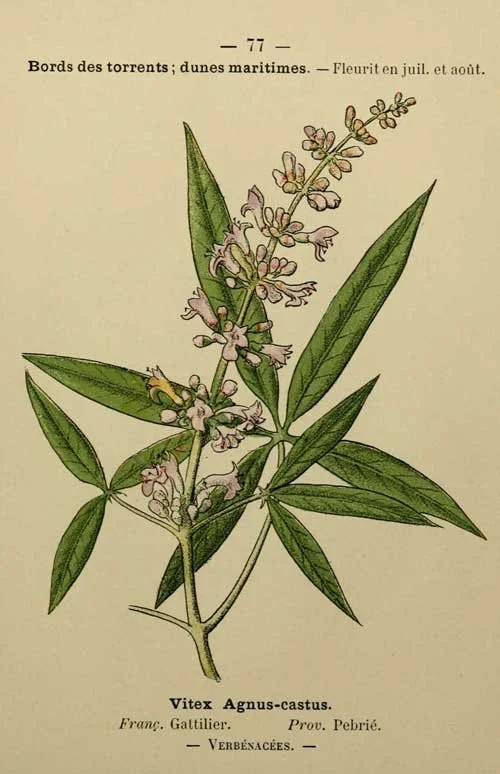
Vitex, also known as Chaste Tree Berry, is one of the most well-known and widely used herbs in functional and holistic medicine for supporting female hormone balance. Derived from a small shrub native to the Mediterranean region, Vitex has a long history of traditional use in regulating menstrual cycles and supporting reproductive health.
What Is Vitex?
Scientific Name: Vitex agnus-castus
Plant Type: Deciduous shrub
Parts Used: Berries
Harvesting: Typically harvested in late summer to early fall when the berries are fully ripened
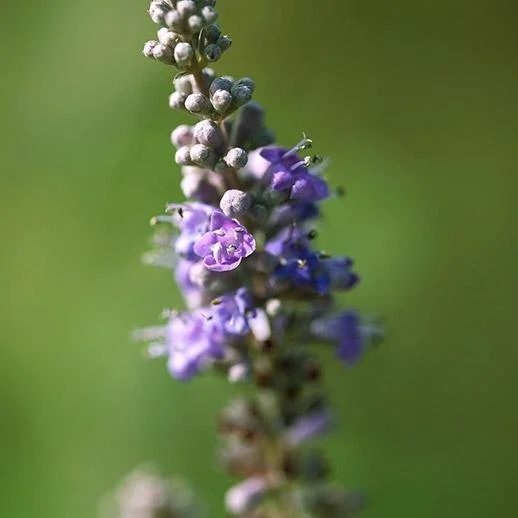
The berries of the Vitex plant are dried and commonly prepared as tinctures, capsules, or powders, making it easy to incorporate into daily wellness routines.
How Vitex Works
Unlike many hormone-supporting interventions, Vitex does not contain hormones. Instead, it works through the hypothalamic-pituitary-ovarian (HPO) axis, helping to gently signal the body to regulate its own hormone production.
Vitex is particularly known for its effects on:
Supporting healthy progesterone levels
Modulating prolactin levels
Encouraging more regular ovulation and menstrual cycles
Because of this, it is often used in cases where there is hormonal imbalance rather than outright deficiency.
Key Benefits
1. Menstrual Cycle Regulation
Vitex is commonly used for irregular cycles, helping to promote more predictable timing and ovulation.
2. PMS Symptom Support
Many individuals report improvement in symptoms such as mood swings, breast tenderness, irritability, and bloating.
3. Fertility & Luteal Phase Support
By supporting progesterone production, Vitex may be helpful for those with luteal phase defects or difficulty maintaining early pregnancy.
4. Mood & Emotional Balance
Through its hormonal regulation, Vitex can indirectly support mood stability, especially in the second half of the cycle.
Energetic & Holistic Perspective
From a holistic standpoint, Vitex is considered:
Harmonizing – helping bring the body back into balance rather than forcing change
Regulating – gently nudging systems into proper rhythm
Supportive – ideal for long-term use when rebuilding hormonal health
It is not a quick-fix herb but rather one that works best when used consistently over time.
Who Might Benefit?
Vitex may be considered for individuals experiencing:
Irregular or absent cycles
PMS or PMDD symptoms
Suspected low progesterone
Cycle-related mood changes
Hormonal acne tied to the menstrual cycle
Precautions & Safety
While Vitex is generally well tolerated, there are some important considerations:
Pregnancy: Not recommended during pregnancy unless specifically guided by a qualified provider
Medications: May interact with hormone-sensitive medications, including birth control, fertility treatments, or dopamine-related medications
Timing Matters: Best results are typically seen after consistent use for 2–3 months or longer
Not for Every Hormonal Picture: Vitex may not be appropriate in all cases (for example, certain presentations of PCOS or hormone excess patterns)
Final Thoughts
Vitex is a foundational herb in functional hormone support, especially when the goal is to restore rhythm and communication within the endocrine system rather than override it. Its gentle yet effective nature makes it a valuable tool for those looking to support menstrual health, fertility, and overall hormonal balance.
As always, individualized care matters—what works beautifully for one person may not be the right fit for another. Pairing herbs like Vitex with proper testing, lifestyle support, and targeted supplementation often leads to the best outcomes.