

Raspberry Leaf
Raspberry Leaf: A Nourishing Tonic for Women’s Health
Raspberry leaf is a deeply nourishing herbal ally that has been used for centuries to support women through all stages of life—from menstrual health to pregnancy and postpartum recovery. While most people associate raspberries with the fruit, it’s actually the leaf of the plant that holds powerful therapeutic benefits.
Often referred to as a “uterine tonic,” raspberry leaf works gently to strengthen and support the reproductive system while also providing a rich source of minerals.
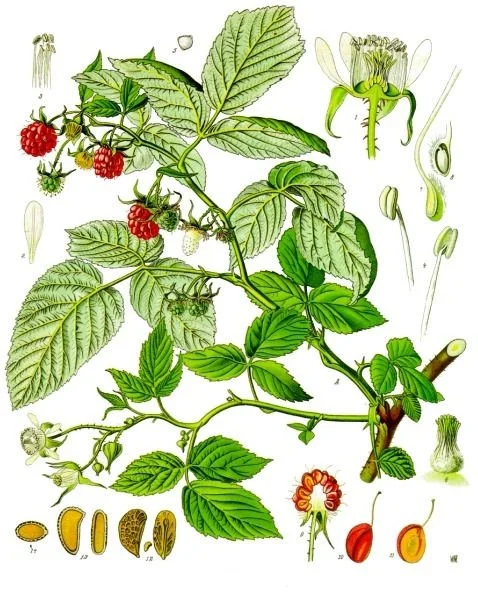
What Is Raspberry Leaf?
Scientific Name:Rubus idaeus
Plant Type: Perennial shrub
Parts Used: Leaves
Harvesting: Leaves are typically harvested in late spring to early summer before the plant flowers
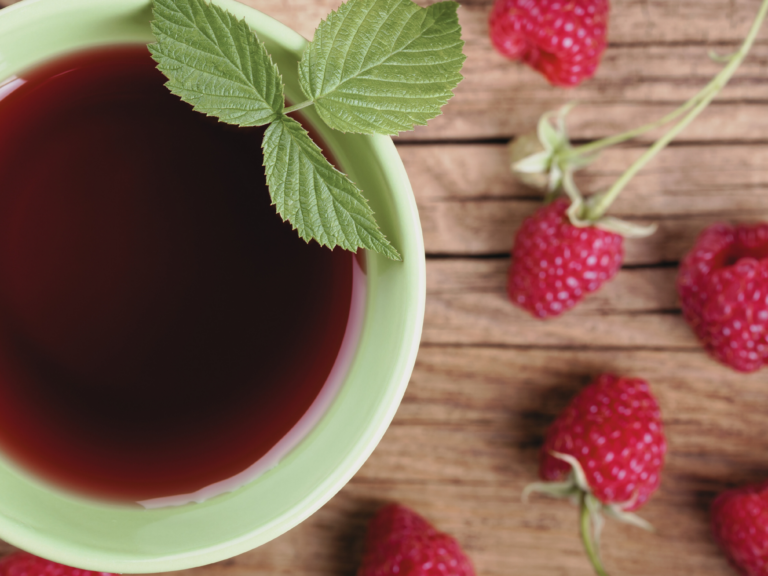
Raspberry leaf is most commonly consumed as a tea, though it can also be found in capsules and tinctures.
How Raspberry Leaf Works
Raspberry leaf is best known for its ability to tone and support the uterus, but its benefits extend far beyond that. It contains a wide array of vitamins and minerals, including:
Magnesium
Calcium
Iron
Potassium
B vitamins
It also contains fragarine, a compound believed to help tone uterine muscles, supporting more coordinated and efficient function.
Rather than forcing hormonal changes, raspberry leaf works as a nutritive and supportive herb, helping the body function more optimally over time.
Key Benefits
1. Menstrual Cycle Support
Raspberry leaf may help reduce cramping and support more balanced, less symptomatic cycles by nourishing the body and supporting uterine function.
2. Pregnancy Preparation & Support
Traditionally used during pregnancy (especially in the second and third trimesters), raspberry leaf is thought to help tone the uterus in preparation for labor.
3. Labor & Delivery Support
Some midwives and practitioners use raspberry leaf to support more efficient contractions and potentially shorter labor (though results can vary).
4. Postpartum Recovery
Its mineral content and toning properties may support uterine recovery and replenishment after birth.
5. General Nutritional Support
Because of its high mineral content, raspberry leaf can be a great addition for overall nourishment, especially in individuals with increased nutrient demands.
A Note on NORA Tea
Raspberry leaf is commonly included in a traditional blend known as NORA tea, which stands for:
Nettle leaf
Oat straw
Red raspberry leaf
Alfalfa
This combination is often used as a deeply nourishing mineral infusion, especially during pregnancy and postpartum. Each herb contributes:
Nettle: Rich in iron and supports blood building
Oat straw: Nervous system support and gentle mineralization
Raspberry leaf: Uterine tone and reproductive support
Alfalfa: დამატional vitamins and minerals, including vitamin K
NORA tea is typically consumed as a long-steep infusion (rather than a quick tea) to maximize mineral extraction. Many practitioners recommend it as a daily tonic for individuals looking to build nutrient stores, support pregnancy, and enhance postpartum recovery.
Energetic & Holistic Perspective
From a holistic perspective, raspberry leaf is considered:
Nourishing – deeply replenishes and builds the body
Strengthening – supports tone and resilience, especially in the uterus
Grounding – helps stabilize and support during times of transition
It’s often thought of as a foundational herb rather than a targeted “quick fix.”
Who Might Benefit?
Raspberry leaf may be especially supportive for:
Painful or crampy periods
Individuals looking to support natural cycle health
Those preparing for pregnancy
Pregnant individuals (with provider guidance)
Postpartum recovery and replenishment
How It’s Commonly Used
Tea: The most traditional and popular form (often 1–3 cups daily depending on the goal)
Capsules or Tinctures: For those who prefer a more concentrated or convenient option
Precautions & Safety
Raspberry leaf is generally considered safe and well tolerated, but a few notes are important:
Pregnancy: Often used during pregnancy, but typically recommended starting in the second trimester and under guidance of a qualified provider
Early Pregnancy: Use in the first trimester is more controversial and should be individualized
High-Risk Pregnancies: Should only be used under practitioner supervision
Individual Response: Some people may notice mild digestive changes or uterine sensations when first starting
Final Thoughts
Raspberry leaf is a beautiful example of how gentle, nourishing herbs can have profound effects over time. Rather than pushing the body in a specific direction, it supports strength, tone, and resilience, making it especially valuable in both everyday hormone health and major life transitions like pregnancy and postpartum.
When used consistently and appropriately, raspberry leaf can be a simple yet powerful addition to a well-rounded, holistic approach to women’s health.