

Senna Leaf
Nature's Occasional Constipation Relief

How to Use This Powerful Herb Safely and Effectively
If you've ever struggled with occasional constipation, you've probably heard of senna leaf. This time-honored herb has been used for centuries to help get things moving when the bowels need a little extra encouragement. Unlike many herbs that gently nourish and support digestion, senna works by directly stimulating the muscles of the colon, making it one of the most effective natural remedies for occasional constipation.
Because of its potency, senna is best viewed as a short-term rescue herb—not an everyday digestive tonic. When used appropriately, it can be an excellent tool to have in your natural medicine cabinet.

What is Senna?
Senna (Senna alexandrina) is a flowering shrub native to North Africa, the Middle East, and parts of India. The dried leaves and pods contain natural compounds called sennosides, which are responsible for its laxative effects.
These compounds travel through the digestive tract largely unchanged until they reach the colon, where gut bacteria convert them into their active form. This helps stimulate the muscles of the large intestine and increases fluid in the bowel, making stools easier to pass.
Benefits of Senna Leaf
When used occasionally and appropriately, senna may help:
Relieve occasional constipation
Stimulate bowel movements after travel
Support temporary constipation related to dietary changes
Help clear the bowel before certain medical procedures (under medical guidance)
Reduce straining from hard stools
Unlike fiber supplements, senna often works within 6–12 hours, making it a popular choice for overnight relief.
How Does Senna Work?
Senna works differently than stool softeners or fiber.
It helps by:
Stimulating the muscles of the colon (peristalsis)
Increasing water secretion into the bowel
Helping move stool through the large intestine
Because of this stimulating action, it may cause abdominal cramping in some individuals, especially at higher doses.
Traditional Herbal Uses
Historically, herbalists have used senna:
For occasional constipation
After illness when digestion is sluggish
During travel-related constipation
When bowel movements have become temporarily infrequent
Traditional herbal practice often combines senna with soothing herbs such as chamomile, marshmallow root, fennel, or ginger to help minimize cramping and support digestive comfort.
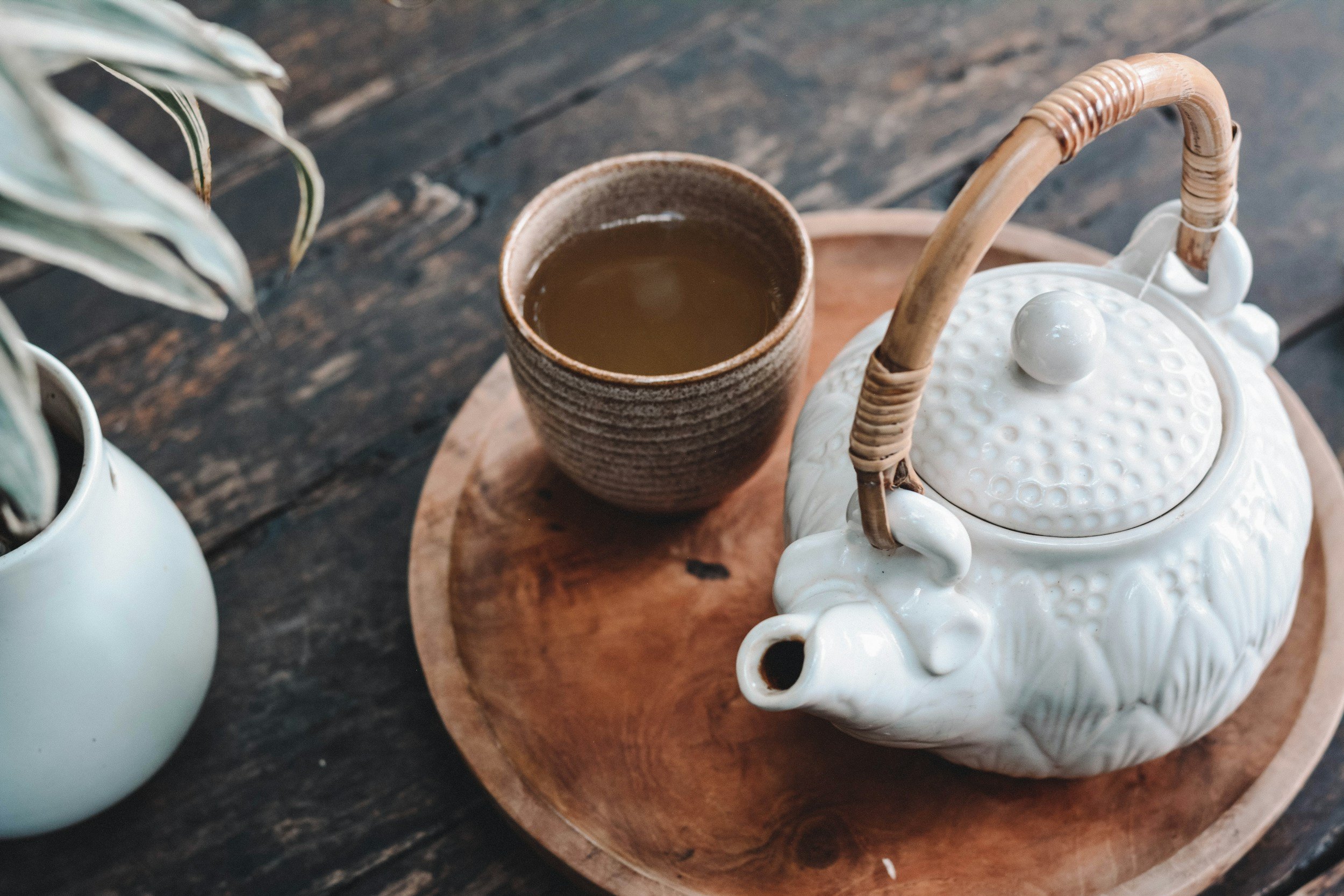
Ways to Use Senna
Herbal Tea
One of the simplest ways to use senna.
Steep:
1 teaspoon senna leaf (or an herbal blend containing senna)
8–10 oz hot water
10–15 minutes
Drink in the evening.
Relief typically occurs within 6–12 hours.
Capsules
A convenient option for adults who prefer standardized dosing. Follow the product label or your healthcare provider's recommendations.
Herbal Blends
Senna is often paired with digestive herbs like:
Chamomile
Fennel
Marshmallow Root
Ginger
Lemon Balm
These herbs can improve flavor and may help reduce digestive discomfort.

Who May Benefit?
Senna may be helpful for adults experiencing:
Occasional constipation
Temporary constipation after travel
Constipation related to short-term dietary changes
Brief episodes of sluggish bowel movements
It is not intended as a long-term solution for chronic constipation.
Safety Considerations
Senna is generally considered safe for short-term, occasional use in healthy adults when used as directed.
Avoid or consult a healthcare professional before using senna if you:
Are pregnant or breastfeeding (unless advised by your healthcare provider)
Have severe abdominal pain of unknown cause
Have nausea or vomiting with constipation
Have inflammatory bowel disease (such as Crohn's disease or ulcerative colitis)
Have an intestinal obstruction or suspected bowel blockage
Are experiencing rectal bleeding
Have significant dehydration or electrolyte imbalances
Children should only use senna under the guidance of their healthcare provider.
Long-term or frequent use may contribute to dependence on stimulant laxatives and electrolyte disturbances, particularly low potassium.
Possible Side Effects
Some people may experience:
Abdominal cramping
Loose stools
Diarrhea
Increased bowel urgency
Mild nausea
These effects are more likely with higher doses or prolonged use.
Supporting Healthy Bowel Habits
Before reaching for senna, consider these foundational habits:
Drink plenty of water
Eat fiber-rich foods
Stay physically active
Include healthy fats in your diet
Support your gut microbiome
Establish a regular bathroom routine
Address underlying causes of constipation rather than relying on laxatives alone
Frequently AskedQuestions
Can I take senna every day?
No. Senna is intended for occasional use only. If you need it regularly, it's important to investigate the underlying cause of constipation with your healthcare provider.
How quickly does senna work?
Most people have a bowel movement within 6–12 hours, which is why many take it before bedtime.
Is senna safe for children?
Senna is used in some pediatric situations under the guidance of a healthcare professional, but it should not be given routinely without individualized medical advice.
Can I use senna during pregnancy?
Constipation is common during pregnancy, but senna should only be used after discussing it with your obstetric provider. Other measures, including hydration, dietary changes, and pregnancy-safe fiber or stool-softening strategies, are often preferred first.
My Favorite Ways to Use Senna
I rarely recommend senna as a first-line remedy. Instead, I encourage starting with hydration, mineral support, movement, fiber-rich foods, and gentle digestive herbs like chamomile, fennel, marshmallow root, and ginger.
When those measures aren't enough and constipation is truly occasional, senna can be a useful "rescue herb." I prefer using it as part of a thoughtfully balanced herbal tea rather than by itself, allowing the soothing herbs to help support digestive comfort while the senna does its job.
Bottom Line
Senna is one of nature's most effective herbs for short-term relief of occasional constipation. Used responsibly, it can be a valuable addition to your herbal toolkit—but it works best when paired with healthy lifestyle habits and used only when needed.
Think of senna as an occasional helper, not an everyday habit. Your digestive system will benefit most from addressing the root causes of constipation while reserving stimulant herbs for those times when you truly need a gentle nudge.