

Yarrow
The Protective Herb for Circulation, Digestion & Healing
Yarrow (Achillea millefolium) is one of those beautiful, resilient herbs that seems to thrive wherever it is planted — and traditionally, it has been valued for helping the body do the same.
Found growing in sunny meadows, fields, roadsides, and open spaces, yarrow has been used for generations as a supportive herb for circulation, digestion, inflammation, and wound care. Its delicate flowers and feathery leaves may look gentle, but yarrow is considered a powerful and versatile traditional herbal ally.
Yarrow is also known as a particularly protective and balancing herb, making it a wonderful plant to learn about if you're interested in traditional herbalism and using plants to support the body's natural resilience.
Meet Yarrow
Scientific Name: Achillea millefolium
Also Known As: Milfoil, Soldier's Woundwort, Nosebleed Plant
Where It Grows: Native to Europe, temperate regions of Asia, and North America. It commonly grows in sunny meadows, fields, grasslands, and roadsides.
Part Used: Primarily the flowering tops and leaves
Harvest: The flowering tops are traditionally harvested while the plant is in bloom.
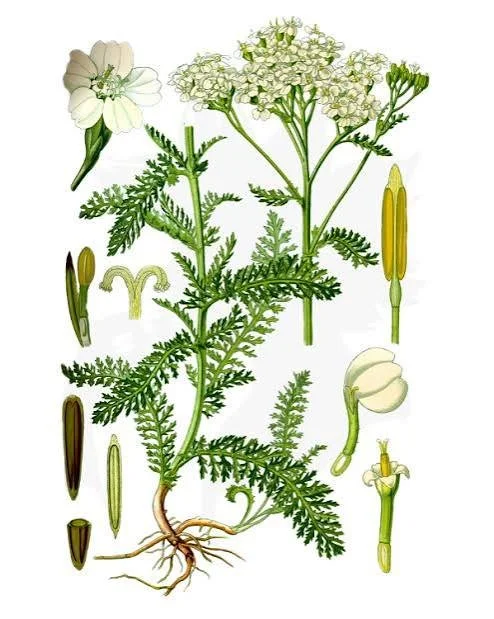
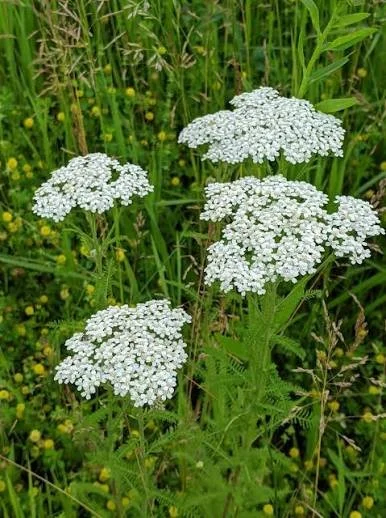
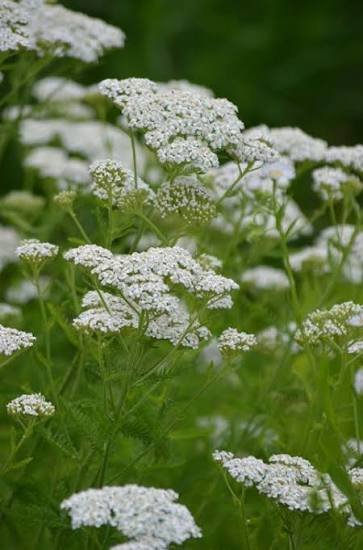
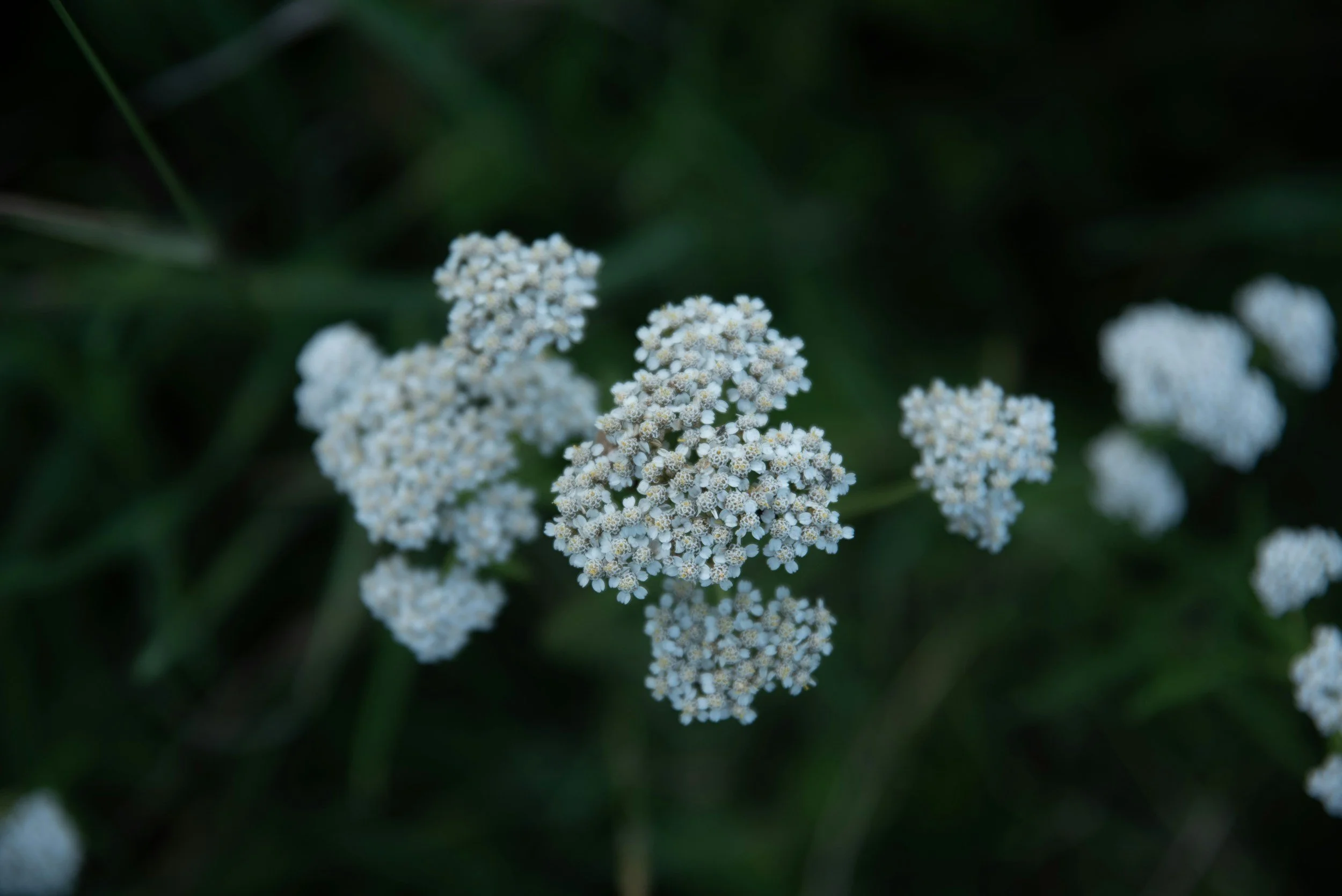
Yarrow is easily recognized by its feathery, fern-like leaves and clusters of small flowers, which are most commonly white but can also appear pink or pale yellow.
Traditional Uses & Benefits
Supports Healthy Circulation
Yarrow has traditionally been used as a circulatory and vascular-supportive herb. Herbalists have historically used it to encourage healthy blood flow and support the body's normal circulatory processes.
Because of these effects, yarrow has long been considered an herb that helps promote balance throughout the cardiovascular system.
Supports Digestion
Yarrow is traditionally considered a bitter and aromatic digestive herb.
Bitter herbs can help stimulate the digestive process, including supporting healthy digestive secretions and appetite. Yarrow tea has traditionally been enjoyed before or after meals when digestion feels sluggish or uncomfortable.
Traditional Wound Herb
One of yarrow's most famous traditional uses is for minor wounds and skin injuries.
Its historical nickname, "Soldier's Woundwort," reflects its long association with traditional battlefield and first-aid herbalism. Historically, the leaves and flowering tops were crushed or prepared and applied externally to minor wounds.
Yarrow is valued traditionally for its astringent and tissue-supportive properties, making it an interesting herb for an herbal first-aid garden.
Important: Modern wound care should always take priority for deep, puncture, heavily contaminated, or otherwise serious wounds. Herbal preparations should not replace appropriate medical treatment.
Mild Anti-Inflammatory Support
Yarrow contains a variety of naturally occurring plant compounds that contribute to its traditional use as a mild anti-inflammatory herb.
It has historically been used both internally and externally to support the body's normal response to irritation and inflammation.
Yarrow's Energetic & Holistic Properties
In traditional herbalism, yarrow is often thought of as a protective, balancing, and strengthening herb.
It is sometimes described as a plant that helps establish healthy boundaries — both physically and energetically.
Yarrow's traditional herbal energetics are often associated with:
Protection
Balance
Resilience
Strengthening
Grounding
Healthy boundaries
For herbalists who incorporate energetic traditions into their practice, yarrow is often viewed as a plant that helps the body and spirit remain resilient without becoming rigid.
Ways to Use Yarrow
Yarrow Tea
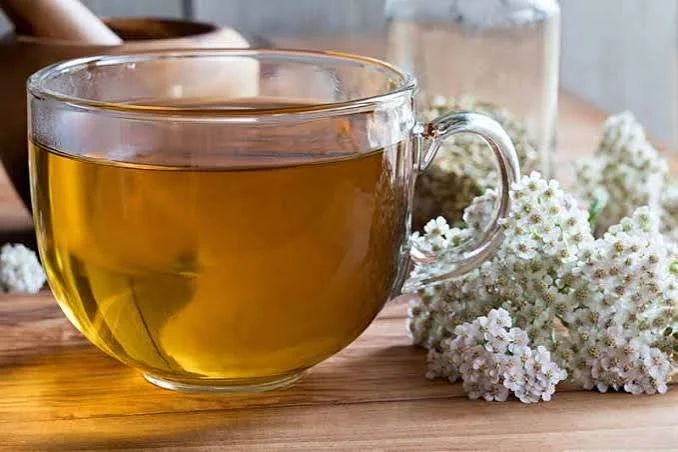
One of the simplest ways to experience yarrow traditionally is as an herbal tea.
Basic preparation:
1–2 teaspoons dried yarrow
8–12 oz hot water
Steep for approximately 10 minutes
Strain and enjoy
Yarrow has a naturally bitter, aromatic flavor, so it can be blended with more pleasant-tasting herbs such as peppermint, lemon balm, or chamomile.
Herbal Blends
Yarrow can be combined with other herbs depending on the intended purpose.
Try pairing it with:
Peppermint – digestive support
Lemon balm – calming and digestive support
Ginger – warming digestive blend
Elderflower – traditional seasonal wellness blend
Chamomile – gentle digestive support
External Herbal Use
Traditionally, yarrow has been incorporated into washes, compresses, poultices, salves, and other topical preparations for minor skin concerns. Its astringent and tissue-supportive properties have made it a valued herb in traditional herbal first-aid practices.
Yarrow is also one of the main herbal ingredients in the Prana Mama Healing Salve, where it is combined with other carefully selected herbs and nourishing oils to create a versatile topical preparation for everyday skin support.
The Prana Mama Healing Salve is a wonderful way to incorporate yarrow into your natural home apothecary without needing to prepare the herb yourself.
Prana Mama Tip: Keep your Prana Mama Healing Salve in your natural first-aid kit for those everyday skin moments when you want the supportive benefits of traditional herbs in an easy-to-use topical preparation.
For modern herbal first aid, properly prepared topical products are generally preferable to placing loose plant material directly into an open wound.
Growing Yarrow
Yarrow is an excellent herb for the home garden because it is hardy, drought-tolerant, and relatively easy to grow.
It prefers:
Full sun
Well-drained soil
Moderate to low water once established
Its flowers also attract beneficial insects and pollinators, making it a beautiful addition to a medicinal or pollinator garden.
Harvest the flowering tops when the plant is in full bloom and dry them thoroughly for later use.
Safety & Precautions
Although yarrow is a traditional medicinal herb, it isn't appropriate for everyone.
Avoid yarrow during pregnancy unless specifically recommended and supervised by a qualified healthcare professional.
Yarrow belongs to the Asteraceae/Compositae family, so individuals with sensitivities or allergies to plants in this family may experience an allergic reaction.
Use caution with topical preparations if you have sensitive skin, and discontinue use if irritation or an allergic reaction occurs.
Because yarrow may have effects on circulation and blood clotting, individuals taking anticoagulant or antiplatelet medications, or those with bleeding disorders or upcoming surgery, should discuss its use with their healthcare provider.
As with any medicinal herb, more is not necessarily better. Traditional herbs are powerful tools and should be used thoughtfully.
Yarrow in Your Herbal Medicine Cabinet
Yarrow is a wonderful example of why traditional herbalism focuses so much on whole-body support.
Rather than being known for just one purpose, yarrow has traditionally been used to support several interconnected areas — circulation, digestion, inflammation, skin, and the body's overall resilience.
It's also one of those herbs that can be incredibly rewarding to grow yourself. A little patch of yarrow in the garden can provide beautiful flowers for pollinators while also giving you a traditional medicinal plant to harvest and learn from.
And if you're looking for an easy way to incorporate this incredible herb into your home apothecary, Prana Mama Healing Salve is a beautiful place to start. Yarrow is one of the main herbal ingredients in this nourishing topical salve, bringing one of our favorite traditional healing herbs right into your natural first-aid cabinet.
Sometimes the strongest plants are the ones quietly growing right under our feet.
HERB SPOTLIGHT
Yarrow
Achillea millefolium
Traditional Actions: Circulatory support • Digestive bitter • Astringent • Mild anti-inflammatory • Traditional wound herb
Energetics: Balancing • Protective • Strengthening • Resilient
Part Used: Flowering tops & leaves
Primary Preparations: Tea • Tincture • Compress • Salve • Herbal wash
Featured Product:Prana Mama Healing Salve — Yarrow is one of the main herbal ingredients.
Safety: Avoid during pregnancy. Use caution with Asteraceae allergies and medications that affect blood clotting.